

Wholesale Garage Door Secrets to Maximize Your Profit Margin
2026-11-02
Why do two garage door dealers with the same product list end up with wildly different profits? The answer isn't in their sales pitch—it's in the wholesale decisions they make before the first quote goes out. Most resellers never question those defaults, so they stay stuck with thin margins. This post pulls back the curtain on the wholesale garage door secrets that actually maximize your profit margin, including how working with a supplier like NORTON changes the math in your favor. If you've been guessing at your numbers, what follows might rewrite your buying strategy.
The Margin Killer Hiding in Your Current Wholesale Door Pricing
The margin killer isn't a sudden price drop from a competitor. It's embedded in the way most wholesalers build door quotes: a blanket cost-plus percentage applied to every SKU, regardless of how that door actually moves through your warehouse or what the customer is willing to pay. A basic molded panel door and a custom prefinished exterior unit may share a line on the invoice, but they don't share the same overhead, handling, or margin opportunity. Treating them as if they do quietly transfers profit from your best products to your worst.
Then there's freight. If your pricing spreads inbound freight as a flat percentage of invoice value, you're overpricing light, compact doors and underpricing heavy, oversized ones. Sales reps notice the cheap quote on the big order and build habits around it. Before long, the mix shifts toward the very SKUs that cost you the most to deliver. Add in unmeasured discounts, rush-order exceptions, and damage allowances that never get reconciled, and the real margin on your wholesale door line looks nothing like the spreadsheet.
None of this requires a price increase across the board. It requires pricing that reflects actual landed cost by category, and discount rules that respect customer value instead of negotiation stamina. Until you separate those, your door pricing is quietly training the market to expect the wrong price from you.
Why Regional Steel Suppliers Beat Overseas Containers for Repeat Orders
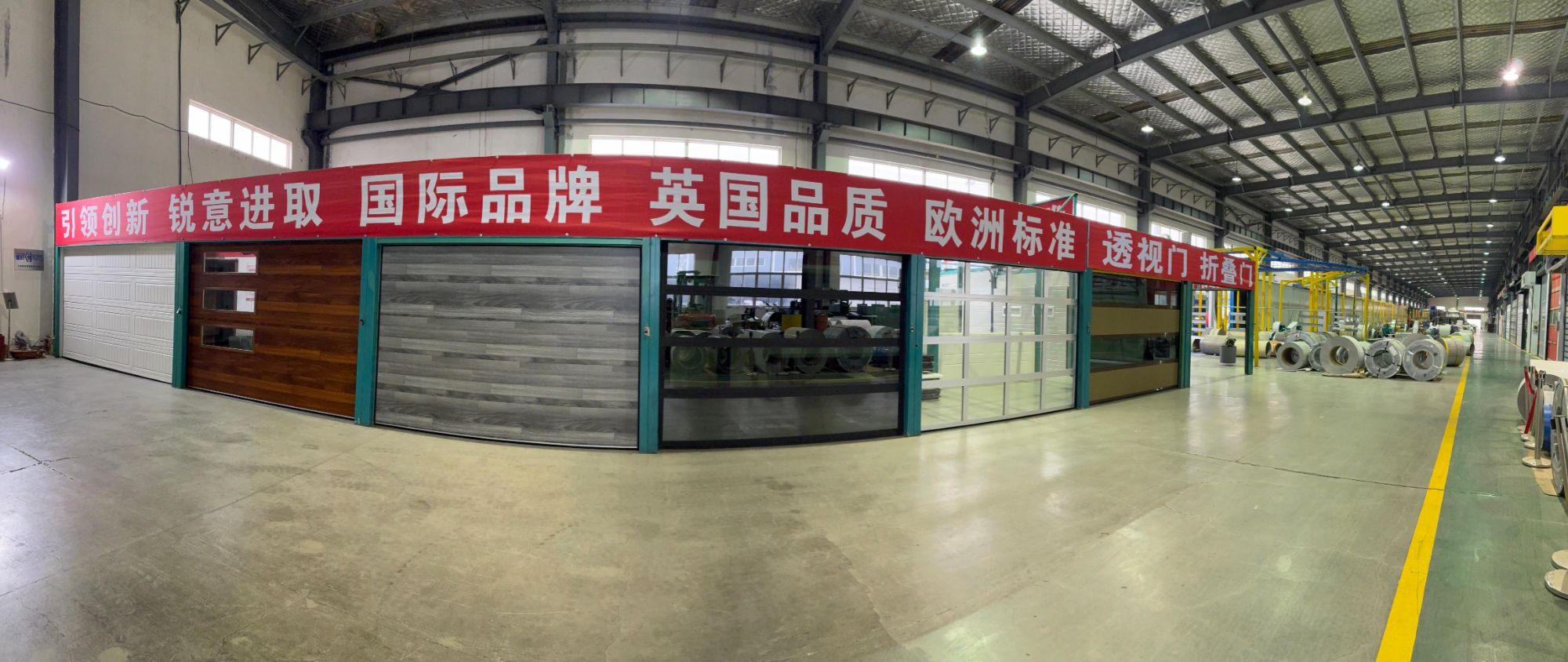
When your production line halts because a container got stuck in customs for three extra weeks, the theoretical savings from overseas steel vanish fast. Regional suppliers carry inventory you can actually verify by walking into their warehouse, not by tracking a vessel halfway across the ocean. That physical proximity means if a batch comes in with the wrong tolerance, a local rep can swap it out in hours, not months. Repeat orders thrive on this kind of responsiveness—buyers learn that the lower invoice price from abroad often hides the cost of carrying extra safety stock, paying for expedited freight, or reworking parts to meet spec.
Consistency matters more than a one-time bargain. Overseas mills might change their coating line or adjust their temper pass without telling you, and your next shipment arrives with different surface properties. A regional supplier, by contrast, knows your forming process and can hold to a tighter band of variation because they see your reject rates every quarter. Over repeat orders, that predictability compounds: tooling lasts longer, scrap drops, and line speeds stay stable. The container ship’s 10% discount disappears into those tiny operational leaks.
There’s also the negotiation reality after the first order. With overseas containers, each new PO starts a fresh round of price discovery, freight bidding, and uncertainty about whether the same mill even has capacity. Regional steel suppliers operate on a relationship model—they reserve tonnage for repeat customers, let you adjust order quantities mid-run, and sometimes hold coils at their facility for your just-in-time pulls. That flexibility is what turns a one-off purchase into a long-term supply chain advantage, and it’s why savvy procurement teams stop chasing the lowest landed cost per ton and start counting total cost per usable part.
Negotiate Freight Like a Fleet Manager, Not a Warehouse Clerk
When you sit across the table from a carrier, stop thinking about pallets and start thinking about lanes, dwell time, and backhaul balance. A warehouse clerk asks for a rate; a fleet manager asks what it will take to keep the truck moving profitably both ways. That shift alone changes the conversation from a one-off transaction to a routing partnership - and it almost always unlocks better numbers.
Look at your shipment from the driver's seat. Is the dock appointment realistic? Will the receiver keep the truck waiting for hours? Fleet managers negotiate with those operational details in hand, because they know every minute of detention eats into the carrier's margin - and that gets priced back into your rate. Offer faster unloads, flexible windows, or a guaranteed backhaul, and suddenly your freight becomes the load drivers want, not the one they tolerate.
Finally, stop anchoring on the spot market like it's the only truth. A fleet manager reads trends across regions, fuel surcharges, and seasonal capacity swings, then locks in rates for the lanes that matter before the market spikes. You don't need a fleet of your own to think that way - just the willingness to treat freight as a system of moving assets, not a stack of paperwork waiting for a quote.
Raise Your Installer Payouts by Cutting These Three Back-Office Leaks
Most installers leave real money on the table without realizing it. The back office is where small mistakes quietly turn into lower payouts. Three recurring leaks are usually to blame: miskeyed job details, delayed change orders, and sloppy reconciliation. Each one nibbles away at the margin you've already earned.
Fixing them doesn't require a new CRM or more staff. Start by standardizing how job data gets entered, then enforce same-day sign-off on change orders. Finally, match every completed install against the original quote before you run payroll. When those three habits become routine, the payout per job climbs without selling a single extra project.
The payoff shows up fast. Crews get paid accurately, customers stop seeing surprise line items, and your office team stops wasting hours on corrections. That's money that was already yours - you just stopped leaking it.
Sell the Hardware Your Competitors Forget to Mention at Checkout
Most customers don't realize they need an extra set of mounting screws or a specific cable until they're halfway through installation. Your competitors list the primary hardware and stop there, leaving the buyer to figure out the missing pieces on their own. At checkout, show them exactly what they'll need to finish the job — a compatible power adapter, a longer HDMI cable, or a set of wall anchors. It's not about pushing add-ons; it's about saving them a second trip to the store.
The difference is in the details. A generic 'customers also bought' widget feels automated, but a short note next to the product that says 'This mount requires M6 bolts, included in the essentials kit below' reads like advice from someone who's installed it before. Pair the main item with the forgotten hardware in a single bundle, and give it a plain name like 'Everything you need to mount this TV.' That kind of transparency builds trust faster than a discount code.
When you do this consistently, checkout becomes a problem-solving step rather than a final hurdle. Customers leave with everything in one box, and they remember that you were the one who thought ahead. Competitors can copy your prices, but they won't easily copy the habit of mentioning the small hardware that makes the big hardware actually work.
Turn Slow-Moving Inventory into Cash Without Deep Discounts
Slow-moving stock often gets pushed toward clearance racks, but that trains customers to wait for markdowns. Instead, repackage the items for a different buyer. A stack of unbranded cotton tote bags gathering dust in a retail shop could be sold as blank canvases to a local screen-printing studio that needs quick turnaround for corporate events. The price stays close to list because the new customer values convenience and small-batch availability more than a discount. You move volume without painting your store as a discounter.
Another route is to convert inventory into trade credit or services you already need. Approach nearby businesses that run loyalty programs, office managers planning employee gifts, or event planners stuffing welcome bags. Offer your surplus at near-wholesale rates in exchange for their services—say, a month of bookkeeping, a sponsored newsletter mention, or catering for your next team meeting. You clear shelves, preserve public pricing, and avoid the race to the bottom that deep discounts trigger.
Test a member-only or employee purchase window as well. Notify your repeat customers that they get first access to a warehouse refresh where items are bundled rather than slashed. Buy one full-price item, get a slow-moving product as a complimentary add-on. Or let staff redeem points or a small payroll deduction for older inventory. Because these audiences already trust your brand, they accept the offer without needing a 70% off sticker, and the perceived value of your main line stays intact.
FAQ
Ask for a sample order before committing to a container. If a supplier hesitates or tries to push you into a huge minimum, walk away. I also call two or three of their existing wholesale clients directly, not the references they hand you, and ask about damage rates and how they handle warranty claims.
Stop marking up from your cost. Instead, figure out what the contractor can bill the end customer and back into your price. In most markets, contractors expect to make 30 to 40 percent on top of your wholesale number. Price yourself so they can still hit that while you keep 20 to 25 points after freight and storage.
Go deep. Carrying every size and color sounds nice until you're sitting on slow-moving inventory that ties up cash. Pick the three or four door types that make up 80 percent of local demand, keep those in stock, and special-order the rest with a clear lead time. Your turns will improve fast.
Freight surcharges, residential liftgate fees, and damage from poor packaging are the big three. Also watch for small hardware kits that arrive incomplete and force you to run to the hardware store. I add a flat 6 percent buffer on every wholesale quote to cover those surprises, then refund it if the job goes smooth.
Sell the installed door as a package, not an add-on. Contractors pay more for a pre-hung, fully assembled section that arrives on site ready to lift. Train one person to handle tricky spring conversions and charge a flat fee that includes disposal of the old door. That service line alone can add 15 points to your blended margin.
Negotiate a consignment deal for your top two sellers. You pay only when the door leaves your warehouse, and the supplier keeps a small buffer at their facility. For slower months, use that time to offer pre-season pricing to contractors who are willing to take delivery early. It smooths out cash flow without you holding the bag.
Bundle your inbound and outbound freight. Ask your supplier to quote you the door price with shipping included, then compare that against your own LTL account. Even if you're small, a local freight broker can often beat published carrier rates by 20 percent if you give them a regular weekly lane. And don't be afraid to ask for a delivered price on every order, then challenge it.
Conclusion
Plenty of garage door wholesalers are sitting on margin they never see because the price sheet looks fine while the real damage happens behind it. One of the quietest leaks is sticking with overseas container orders when a regional steel supplier can turn inventory faster and match local door specs with less guesswork. That shift cuts the waiting game and lets you reorder based on actual installer pull, not a six-month forecast. Freight is another spot where clerks get run over. Learning lane rates, load consolidation, and carrier mix the way a fleet manager would changes freight from a mystery surcharge into a negotiated edge that protects the quote instead of bloating it.
Back-office leaks are just as costly as a bad buy. Duplicate data entry, unpaid freight claims, and sloppy warranty tracking all bleed money that could go toward installer payouts. Clean those up and you can pay installers more aggressively without lowering your own cut. At checkout, the springs, seals, and hinges that competitors overlook are easy margin—just make them visible and natural to add. When slow-moving doors or parts start to pile up, resist the urge to slash tags. Bundle slow items with fast sellers as contractor job packs or offer early-season stocking deals to installers. That keeps your front-line price intact while turning dead inventory into cash quietly.
Contact Us
Contact Person: Cyril He
Email: [email protected]
Tel/WhatsApp: 8613969697307
Website: https://cqyqgd.en.alibaba.com/