

Wastewater Treatment Blower Upgrades to Reduce Operational Costs
2026-08-26
Every wastewater treatment plant operator knows the pain of watching energy bills climb while aeration blowers run nonstop. Yet many facilities still rely on outdated blowers that quietly drain operational budgets. Upgrading to high-efficiency blowers isn't just about replacing equipment—it's about rethinking air delivery to match real-time demand. In this article, we break down practical blower upgrade strategies that cut energy use, reduce maintenance, and deliver payback faster than you might expect. Along the way, you'll see how Seize Air helps operators turn aeration from a cost center into a competitive edge.
Older Blowers Are Quietly Inflating Your Power Bill
It’s easy to forget about the blower tucked away in a corner or ceiling plenum. Unlike chillers or compressors, it doesn’t demand attention until something fails. But many older blowers run on inefficient motors that gulp electricity around the clock. They often spin at a single fixed speed, pushing the same volume of air whether the building is full or nearly empty. That constant, unregulated draw quietly adds a hefty surcharge to every power bill, month after month.
The reasons are practical, not mysterious. Bearings wear down, belts stretch, and dirt builds up on fan blades, all of which increase mechanical drag. The motor then works harder just to maintain the same airflow. On top of that, older motors themselves are often built with lower efficiency ratings. A unit that was acceptable twenty years ago may now consume 30% more energy than a modern electronically commutated motor doing the same job. Since blowers often run 24/7 in commercial or industrial settings, even a modest efficiency gap can mean hundreds of dollars in wasted electricity each month.
Upgrading to a variable-speed drive or a high-efficiency motor is the most direct fix. Retrofitting allows the blower to ramp down during low-demand periods instead of running flat out. Even simpler steps like cleaning blades, lubricating bearings, and tensioning belts can reduce power draw noticeably. The initial cost might seem steep, but the reduction in your utility bill usually recovers that investment within two or three years. That's a quiet win for your operating budget.
Matching Blower Output to Actual Aeration Demand
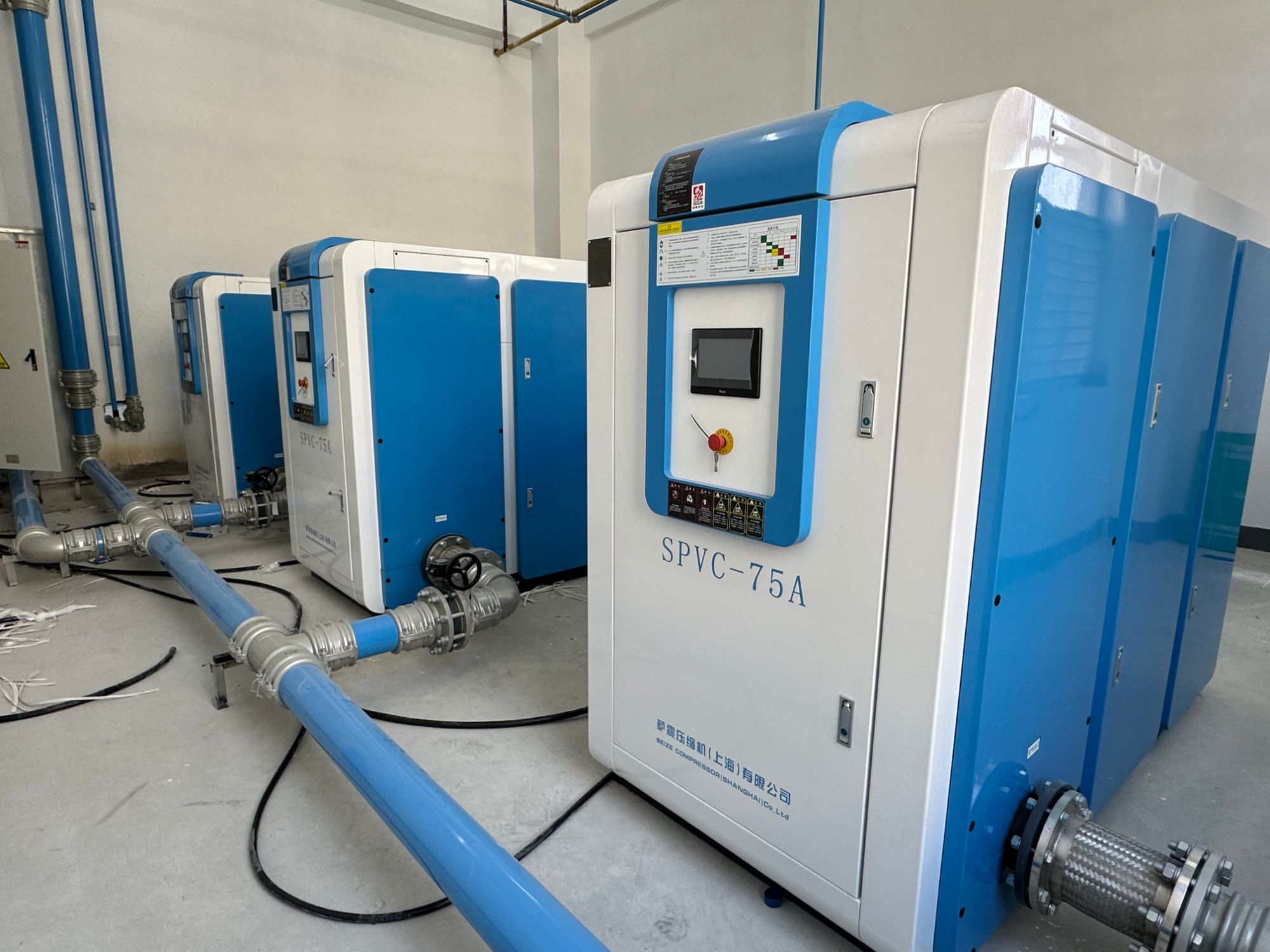
Oversizing a blower for aeration is easy to do, and the operating cost shows up quietly in the power bill. A more practical approach starts with monitoring dissolved oxygen in the basin rather than trusting a fixed airflow setpoint. When DO stays above the required level for long stretches, the blower is simply pushing more air than the biology can use. Closing the gap means letting real-time oxygen demand drive the blower response, not the other way around.
Variable frequency drives offer a direct way to trim output without throttling valves or bleeding excess air. By tying the drive speed to a DO probe signal, the blower ramps down during low-load periods and ramps up only when oxygen uptake increases. This avoids the common mistake of running at full speed and wasting air through a bypass. It also reduces pressure fluctuations that can disturb the diffuser pattern and create uneven treatment zones.
One often overlooked detail is that aeration demand shifts with sludge age, temperature, and incoming load changes, not just with the time of day. A setpoint that works in summer may be wasteful in winter. Checking the actual airflow against the oxygen transfer rate every few months keeps the system from drifting back into over-aeration. Small adjustments at the control panel often save more energy than a complete equipment replacement.
Why Short Payback Periods Make Upgrades Hard to Ignore
A short payback period changes the conversation from “if” to “when.” When a lighting retrofit or HVAC upgrade recovers its cost in under two years, the risk of waiting starts to outweigh the risk of acting. Budgets are still tight, but the math leaves little room for delay—every month of inaction is a month of avoided savings.
Facility managers often have a backlog of deferred maintenance. An upgrade that pays for itself quickly jumps the queue because it creates its own funding. Instead of competing for scarce capital, it becomes a self-liquidating project: the energy or maintenance savings cover the financing, and once the payback window closes, the savings flow straight to the bottom line.
There’s also a behavioral side. Decision-makers grow tired of analysis paralysis when the numbers point one direction. A short payback gives them a defensible reason to approve the work now, with less fear of buyer’s remorse. The shorter the horizon, the easier it is to justify the disruption, the procurement effort, and the operational downtime.
Retrofit Options That Fix Inefficiency Without Full Replacement
Older systems often lose efficiency through worn components rather than the entire unit failing. Replacing the motor with a higher-efficiency model, upgrading seals and gaskets, or installing a variable frequency drive can recover substantial energy savings without the cost of a full tear-out.
Control upgrades are another retrofit that pays back quickly. Adding smart thermostats, occupancy sensors, or building automation retrofits lets existing equipment run only when needed and at the right capacity. Many legacy HVAC and lighting setups simply lack the fine-grained control that modern add-ons provide.
Finally, improving the surrounding infrastructure—such as duct sealing, pipe insulation, or reflective window films—reduces the load on the main system. These passive measures extend equipment life and reduce energy draw, making them an easy first step before considering full replacement.
What Plant Operators Report After Cutting Blower Energy Use
After trimming blower energy use, many operators first notice the drop in utility bills, but the more telling reports come from the production floor. Air handling systems that once ran at full throttle now operate closer to actual demand, and operators describe fewer pressure spikes and a more stable airflow at the point of use. One recurring observation is that the blowers no longer cycle as frequently, which reduces wear on dampers and belts.
Operators also report that cutting blower energy rarely works as a simple dial-down. In most cases, they had to remap the control curves or adjust variable frequency drives to match the new lower baseline. Those who took the time to recalibrate report that the system responds more predictably during batch changes, and some even note a drop in background noise that made it easier to hear early signs of mechanical trouble elsewhere in the line.
A smaller but consistent group of operators mentions that initial energy cuts caused minor process drift, especially in drying or pneumatic conveying stages. After adjusting sensor setpoints and tightening the control loop, the drift disappeared, and the overall equipment effectiveness stayed flat or improved. Several plant teams now treat blower energy as a tuning parameter rather than a fixed input, which they say opens up further savings during low-demand shifts.
Maintenance Tweaks That Preserve Long-Term Savings
A surprising number of expensive breakdowns start as small, ignored maintenance items. Replacing a worn door seal, clearing leaves from an outdoor unit, or swapping out a dirty HVAC filter costs very little but keeps equipment from straining against its own neglect. That strain is what turns a fifteen-dollar fix into a four-figure repair.
Water heaters are a classic example. Draining a few gallons from the tank once or twice a year flushes out sediment that otherwise settles at the bottom, insulates the burner from the water, and shortens the unit's life. Lowering the set point to around 120°F and checking the anode rod every couple of years can add five or more years of quiet service before replacement becomes unavoidable.
Even the less glamorous spots pay off. Pulling the refrigerator away from the wall to vacuum its coils, cleaning the dryer vent line, and making sure the AC condensate drain is clear all reduce the amount of electricity or gas needed to do the same job. None of these steps requires a contractor, and together they keep monthly bills from creeping upward while protecting the big-ticket appliances from early retirement.
FAQ
Blowers often account for a large share of a plant's energy use, sometimes over half. Older units may run at fixed speeds or lose efficiency over time. Upgrading to high-efficiency or variable-speed models can cut power consumption significantly, lower maintenance demands, and help the facility meet tighter environmental discharge limits without expanding its footprint.
Many plants replace outdated positive displacement blowers with high-speed turbo blowers, screw blowers, or magnetic bearing blowers. Each type offers different advantages in terms of turndown, noise, and efficiency. The best fit depends on the aeration basin depth, required airflow, and variability in load throughout the day.
Savings vary by plant size and current equipment, but it's not unusual to reduce aeration energy use by 20% to 40%. Because aeration can be 50% to 70% of total plant electricity, the overall facility energy bill may drop by 10% to 25%. Some utilities recover the capital cost within three to seven years.
Yes, often positively. Modern high-speed turbo blowers with airfoil or magnetic bearings eliminate oil changes and reduce wear parts. There's no need for belt tensioning or gearbox oil sampling. Routine checks become mostly filter changes and vibration monitoring, which frees up staff for other tasks.
Key factors include the required discharge pressure (based on water depth and diffuser fouling), the range of airflow needed across seasons, ambient temperature and humidity, noise restrictions near residential areas, and available electrical infrastructure. Plants with highly variable loads usually benefit most from blowers with a wide turndown and efficient part-load performance.
Indirectly, yes. Better airflow control allows operators to maintain dissolved oxygen setpoints more precisely, which supports stable nitrification and biological phosphorus removal. Avoiding over-aeration also prevents issues like sludge bulking and unnecessary stripping of volatile compounds. So the upgrade helps with compliance and process stability.
Integrating new equipment into an existing aeration control system can be tricky. There may be a need to modify piping, electrical switchgear, or sound enclosures. Construction often must occur while the plant remains in service, requiring temporary blowers or phased cutovers. Also, staff need training on the new control logic and maintenance routines.
Start by gathering at least 12 months of energy bills and blower runtime data. Estimate energy savings using manufacturer curves adjusted for site conditions. Include reduced maintenance parts and labor, potential utility rebates, and any avoided capital costs if the old blowers were nearing replacement. Then compare total lifecycle costs over 10 to 15 years, not just first cost.
Conclusion
Most wastewater plants still run blowers sized for peak loads that rarely occur, so the machines spend most of their hours bleeding power into air nobody needs. That mismatch shows up every month as a higher electric bill, but because the cost is spread across the whole facility, it rarely gets traced back to the blower room. Upgrading to a system that follows actual dissolved oxygen demand—whether through VFDs, inlet throttling, or a combination of both—lets the blowers ramp down during low-load periods instead of fighting a fixed-output design. In many plants the savings from that one change reach 30% or more, which is why payback periods often land between one and three years. Once operators see that number, the upgrade stops being a capital project and starts looking like a simple operating expense reduction.
Not every plant needs to rip out its existing blowers. Retrofit kits, such as high-efficiency impellers, diffuser upgrades, and control logic changes, can recover a large share of the lost efficiency without the cost of a full replacement. Operators who have made the switch report steadier dissolved oxygen levels, fewer alarm events, and a quieter blower room—all signs that the equipment is no longer working harder than the process requires. To keep those gains from fading, maintenance has to shift too: checking air filter differential pressure, recalibrating oxygen probes, and watching for leaks in the air distribution header become routine tasks rather than afterthoughts. When those habits stick, the energy savings hold up year after year, and the blower system finally matches the actual load instead of the design guess from decades ago.
Contact Us
Contact Person: Mia
Email: [email protected]
Tel/WhatsApp: +86 19821985894
Website: https://www.seize-air.com