

Wastewater System Manufacturer Insights: Smart Solutions for Modern Treatment Plants
2026-08-12
In the rapidly evolving landscape of wastewater management, treatment plants are under constant pressure to enhance efficiency and sustainability. As a pioneer in smart solutions, Sinou is redefining what’s possible for modern facilities. But what truly sets a forward-thinking manufacturer apart in this competitive field? Discover the insights that could transform your operations.
Rethinking Sensor Networks for Real-Time Contaminant Tracking
Traditional sensor networks for monitoring water or air quality were designed with static deployment and periodic sampling in mind. They rely on sparsely placed nodes transmitting data at intervals that can miss transient pollution events. In an era where contaminants can spread unpredictably—think industrial leaks, urban runoff, or biological agents—this delay undermines the goal of true real-time tracking.
The push toward real-time capability demands more than just faster data logging. It requires a fundamental shift in how we architect these networks. Nodes must become more autonomous, capable of in-situ analysis and immediate decision‑making, rather than simply relaying raw measurements to a central hub. This means embedding edge intelligence to process signals locally, reducing latency and bandwidth bottlenecks. Additionally, mobility is becoming essential: fixed sensors cover only a fraction of a dynamic plume, while integrating mobile platforms like drones or autonomous vehicles can adapt coverage as conditions change.
Rethinking sensor networks also involves embracing novel sensing modalities. Optical, electrochemical, and biological recognition elements are being miniaturized and combined into multi-parameter probes that can detect trace contaminants at concentrations previously unattainable outside a lab. Coupled with mesh networking and energy-harvesting designs, these systems can sustain long-term, unattended operation in harsh environments. The ultimate aim is a responsive, self-healing fabric of sensors that not only detects but anticipates contaminant movement, providing actionable intelligence to safeguard public health without the blind spots of yesterday’s infrastructure.
The Shift Toward Energy-Neutral Treatment Processes
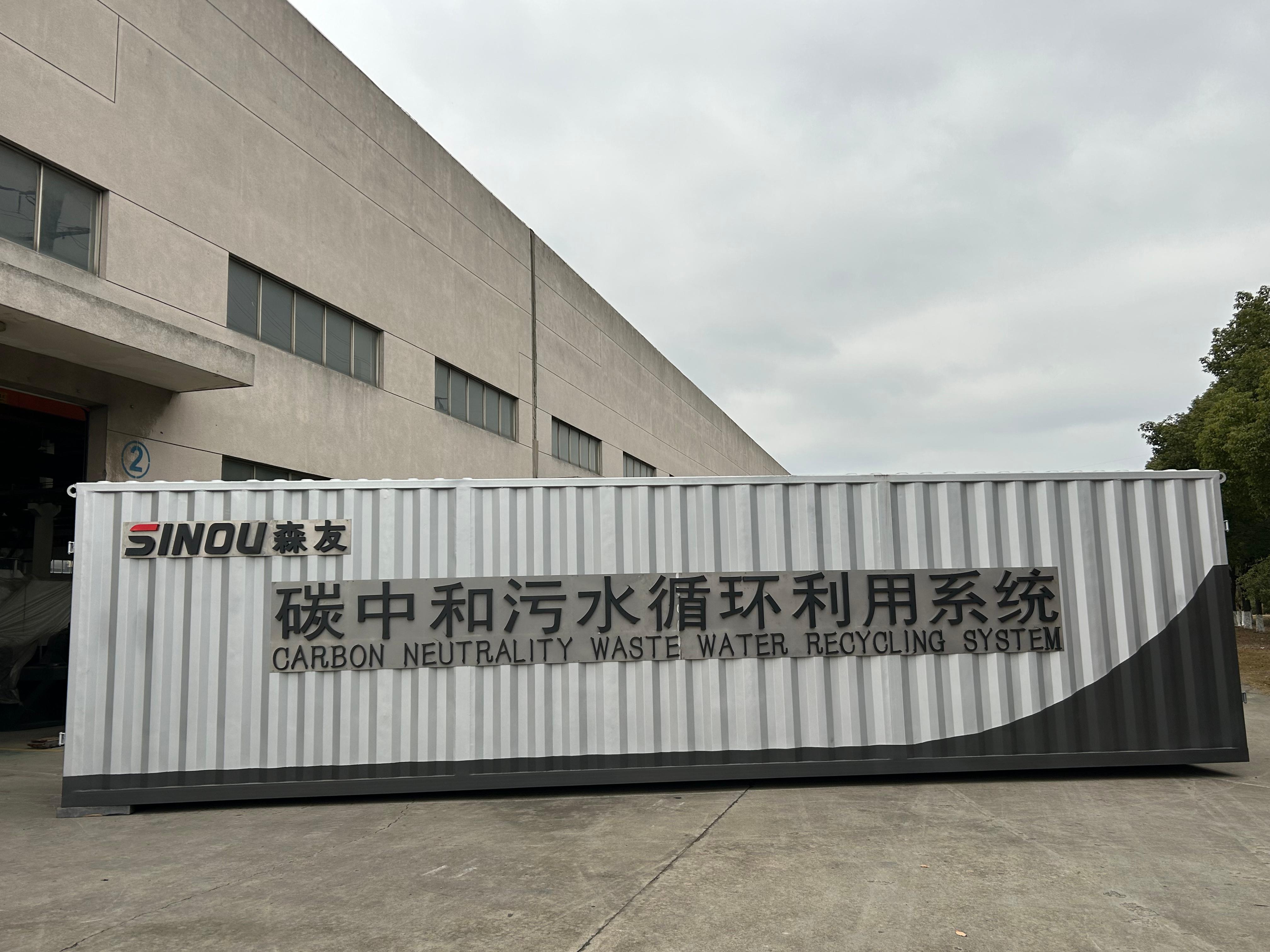
For decades, wastewater treatment plants were notorious energy guzzlers, often accounting for a significant slice of a municipality's total electricity use. The process of pumping, aerating, and treating massive volumes of water was simply accepted as an unavoidable operational cost. Today, that old assumption is crumbling. A combination of engineering innovation, tighter budgets, and climate pressure is pushing the industry toward facilities that can cover their own energy needs—or even become net producers. This isn't a distant ideal anymore; it's a tangible shift already taking shape in pioneering plants around the world.
The route to energy neutrality typically runs through advanced anaerobic digestion and biogas capture. By processing sludge in oxygen-free environments, microorganisms break down organic matter and release methane-rich biogas, which can then be used to generate electricity and heat on-site. Some facilities go further, co-digesting food waste or fats, oils, and grease to boost biogas yield. Others integrate technologies like thermal hydrolysis or microturbines, squeezing every possible kilowatt-hour from the waste stream. The result is a system that treats water while running on the very resources it contains, effectively turning a liability into an asset.
Beyond biogas, the concept expands to include on-site solar arrays, energy recovery from water pressure differentials, and even microbial fuel cells. Modern plant designs also prioritize low-energy treatment steps, like shortcut nitrogen removal or passive aeration, slashing the baseline demand before addressing supply. When you combine these elements with aggressive efficiency measures, the numbers start to realign. Suddenly, a treatment plant isn't just a sanitation service—it's a circular energy hub, proving that clean water and climate responsibility can flow from the same pipe.
Building Blocks of Flexibility: Modular System Architectures
A modular architecture is more than just a collection of interchangeable parts; it’s a philosophy that shapes how systems evolve and respond to change. By decomposing a complex whole into discrete, self-contained units with well-defined interfaces, organizations gain the ability to update, scale, or reconfigure components without disrupting the entire structure. This approach transforms rigidity into resilience, turning what would otherwise be a monolithic vulnerability into a strategic advantage.
The real power lies in the independence these building blocks offer. Teams can develop, test, and deploy modules in parallel, accelerating innovation cycles and reducing bottlenecks. When a single element needs to adapt to new requirements—whether a payment gateway, a user authentication layer, or a data storage mechanism—the change remains isolated. This isolation not only limits risk but also invites experimentation, allowing businesses to swap out technologies or refine features with minimal friction.
Ultimately, modularity is about designing for time. Market conditions shift, user expectations rise, and technical landscapes morph. Systems built from loosely coupled modules can navigate this flux gracefully, letting organizations recombine core capabilities to meet emerging demands. They become platforms for continuous reinvention rather than static solutions, embodying flexibility not as an afterthought but as a foundational principle.
From Alarms to Predictive Insights: The New Maintenance Mindset
For decades, maintenance teams operated like firefighters, sprinting toward the next breakdown only after an alarm sounded. The shrill beep of a machine fault or the sudden silence of a stalled production line defined the rhythm of their days. These reactive habits, while familiar, left little room for strategy—every fix was a race against lost output and spiraling costs.
The shift toward predictive insights replaced that chaos with clarity. Instead of waiting for a threshold breach, sensors now stream real-time data on vibration, temperature, and wear, painting a continuous picture of asset health. Algorithms detect subtle patterns invisible to the human eye—a slight uptick in heat or a faint change in frequency—and flag issues weeks before they cascade into downtime.
This new mindset doesn’t just change toolkits; it rewires the entire maintenance culture. Teams evolve from fixers to guardians of reliability, using foresight rather than force. The result is quieter control rooms, fewer emergency calls, and a rhythm driven not by panic, but by informed confidence.
Material Innovations Driving Resource Recovery from Waste Streams
Advanced material science is reshaping how we reclaim value from discarded resources. Instead of conventional recycling that degrades material integrity, new approaches focus on preserving or even enhancing the properties of waste-derived feedstocks. For instance, researchers are engineering polymers that can be depolymerized back to virgin-quality monomers under mild conditions, bypassing the mechanical downcycling that typically limits reuse. Such closed-loop systems are already being piloted for plastics like PET and polyurethane, where chemical recovery yields building blocks indistinguishable from petrochemical equivalents.
Bio-inspired materials are another frontier, turning organic waste into high-performance products without the heavy environmental footprint. Mycelium-based composites grown on agricultural residue can replace foam packaging and even structural panels, while nanocellulose from food scraps creates transparent films stronger than petroleum-based plastics. These innovations exploit the natural circularity of biological systems, where organisms like fungi and bacteria inherently decompose and reconstitute complex matter—a principle now being harnessed to transform lignin from pulp mills into carbon fiber precursors.
Smart separation techniques complement these material breakthroughs, enabling precise recovery from mixed streams. Functionalized magnetic nanoparticles can selectively bind to specific metals in electronic waste, retrieving rare earth elements with minimal acid use. Similarly, switchable ionic liquids alter their hydrophobicity on demand, allowing sequential dissolution and regeneration of textile blends like polyester-cotton. By integrating such targeted extraction with redesigned materials, industries are moving beyond bulk recycling toward true material intelligence—where waste becomes a deliberately curated feedstock for next-generation manufacturing.
Navigating Compliance Without Sacrificing Operational Agility
Organizations today grapple with a growing maze of regulations that demand rigorous oversight, yet the need to move fast and adapt has never been more pressing. The common belief that compliance automatically means cumbersome processes and rigid controls is outdated. In practice, it’s possible to design systems where regulatory checks are woven into the daily workflow without choking momentum. This involves shifting from a mindset of periodic, reactive audits to embedded, real-time governance. When compliance becomes an invisible thread in the fabric of operations, teams can stay focused on innovation and customer delivery, while risks are managed in the background.
Operational agility thrives on simplicity, autonomy, and rapid feedback loops. Rather than layering approval hierarchies that stall decisions, forward-thinking firms are leveraging technology to automate routine compliance tasks—think policy-as-code, automated testing, and continuous monitoring. These tools free up human judgment for nuanced decisions that algorithms can’t yet handle. The key is to distinguish between non-negotiable safeguards and low-risk areas where speed matters more. By creating clear guardrails and empowering teams with self-service compliance dashboards, you cut through bureaucracy without letting critical standards slip.
Sustaining this balance calls for a cultural shift that treats compliance as a shared responsibility, not a gatekeeper function. When operations, legal, and development teams collaborate early, they can co-design solutions that satisfy both protective measures and business velocity. Regular retrospectives on processes, open channels for flagging friction, and a bias toward simplification help prevent the buildup of unnecessary complexity. Ultimately, navigating compliance without sacrificing agility is about building trust—trust in your systems, your people, and the idea that playing by the rules can actually accelerate your path forward.
FAQ
Modern plants integrate sensors and automation that monitor flow rates, contaminant levels, and equipment status in real time. This allows operators to adjust processes instantly, reducing energy use by up to 30% and preventing costly downtime.
It's about connectivity and adaptability. A smart system uses IoT devices to communicate across the entire plant, enabling predictive maintenance, self-optimizing chemical dosing, and remote control. These features turn a reactive operation into a proactive one.
Advanced membrane bioreactors with automated cleaning cycles are a great example. They monitor fouling online and trigger backwashing only when needed, which extends membrane life by years and slashes manual cleaning expenses.
They employ adaptive equalization basins tied to intelligent controls. When inflow spikes, the system automatically diverts excess to storage, adjusts aeration, and alerts staff, preventing overflows and maintaining treatment quality.
Data analytics turns raw sensor readings into actionable insights. For instance, historical patterns help forecast peak periods, allowing plants to schedule energy-intensive tasks during off-peak hours, yielding significant savings.
Absolutely. Scalable modular systems with cloud-based monitoring are ideal. They skip heavy upfront infrastructure costs by offering pay-as-you-go models and remote expert support, so small plants can still benefit from real-time oversight without hiring dedicated analysts.
Security is layered: encrypted communication channels, regular software patches, and network segmentation isolate critical controls from general IT traffic. Many vendors also offer 24/7 threat monitoring services tailored to industrial water systems.
Digital twins and AI-driven process optimization are on the horizon. A digital twin simulates the entire plant, testing changes virtually before implementation, while AI continuously refines nutrient removal rates with minimal human input.
Conclusion
Today’s treatment plants are shedding their static past. Rather than rely on periodic sampling, operators now deploy dense, intelligent sensor grids that track contaminants in real time, making it possible to catch anomalies the moment they emerge. This shift pairs with a concerted push toward energy-neutral operations, where every kilowatt is scrutinized—from aerobic blowers to sludge conversion—often turning the facility into a net energy producer. Such smart solutions are not add-ons; they are embedded in a new architectural philosophy. Modular system designs allow a facility to start small and expand in plug-and-play increments, absorbing population growth or industrial flux without the usual headache of retrofitting monolithic infrastructure. Together, these threads form a fabric of responsiveness that defines modern manufacturing: sensors illuminate the invisible, energy recirculates rather than drains, and capacity bends with demand.
Maintenance, once triggered by alarms, now leverages machine learning to predict equipment fatigue, transforming maintenance from a cost center into a strategic advantage. The shift from reactive fixes to predictive insights slashes downtime and extends asset life. Parallel to operational uptime, material innovations are turning waste streams into resource mines. Advanced membranes and selective sorbents harvest phosphorus, cellulose fibers, and even biopolymers, rewriting the economy of treatment from disposal to recovery. Amid all this, manufacturers must navigate a thicket of compliance requirements without sacrificing agility. The answer lies in embedded intelligence: treatment systems that auto-adjust chemistry and flows to stay within permit limits while chasing resource recovery goals. The modern wastewater plant, then, is less a passive treatment center and more an active, resource-positive hub, where real-time data, energy recovery, modularity, predictive care, and circular materials converge into a single, seamless operation.
Contact Us
Contact Person: HaiYan
Email: [email protected]
Tel/WhatsApp: +86 18957325588
Website: https://www.senyoubeton.com/