

Ultrasonic Bubble Sensor Manufacturer: Key Factors for Selecting Your Supplier
2026-09-21
Most ultrasonic bubble sensor manufacturers look similar on paper—until your production line hits an air bubble that their sensor can't catch. This post breaks down the key factors for selecting a supplier, drawing on practical lessons from Siansonic's work in demanding fluid-handling applications. Read on to see what separates a dependable partner from a costly gamble.
What a Manufacturer’s Rejection Rate Tells You Before You Even Order
Most buyers fixate on unit price, but a manufacturer's rejection rate is a hidden ledger of everything you'll pay for later. A low rejection figure—say, under 1%—isn't just a quality metric; it's a sign that the factory has invested in process control, worker training, and incoming material inspection. When you see a consistently low rate across multiple quarters, you're looking at a partner that rarely ships surprises, which means fewer line stoppages and less expedited freight on your end.
On the flip side, a rejection rate that swings wildly from batch to batch—even if the average looks acceptable—reveals a production floor that reacts instead of prevents. That volatility translates directly into your inventory planning: you'll need more safety stock, more incoming inspection hours, and a contingency budget for returns. Ask for the data broken down by defect type. If the same three defects keep appearing, the factory isn't fixing root causes; they're just sorting harder at the end of the line, and you'll absorb that cost eventually.
Smart buyers treat rejection rate as a leading indicator of communication, not just manufacturing. A supplier that openly shares their rejection data—including the ugly months—is one that won't hide a bad batch until it's on a boat. Conversely, a factory that dodges the question or gives you a suspiciously perfect "zero defects" claim is telling you exactly how they'll handle problems after the PO is signed. In short, the rejection rate is less about the widgets they make and more about the relationship you're about to enter.
The Testing Habit That Separates Reliable Sensors from Lab Queens
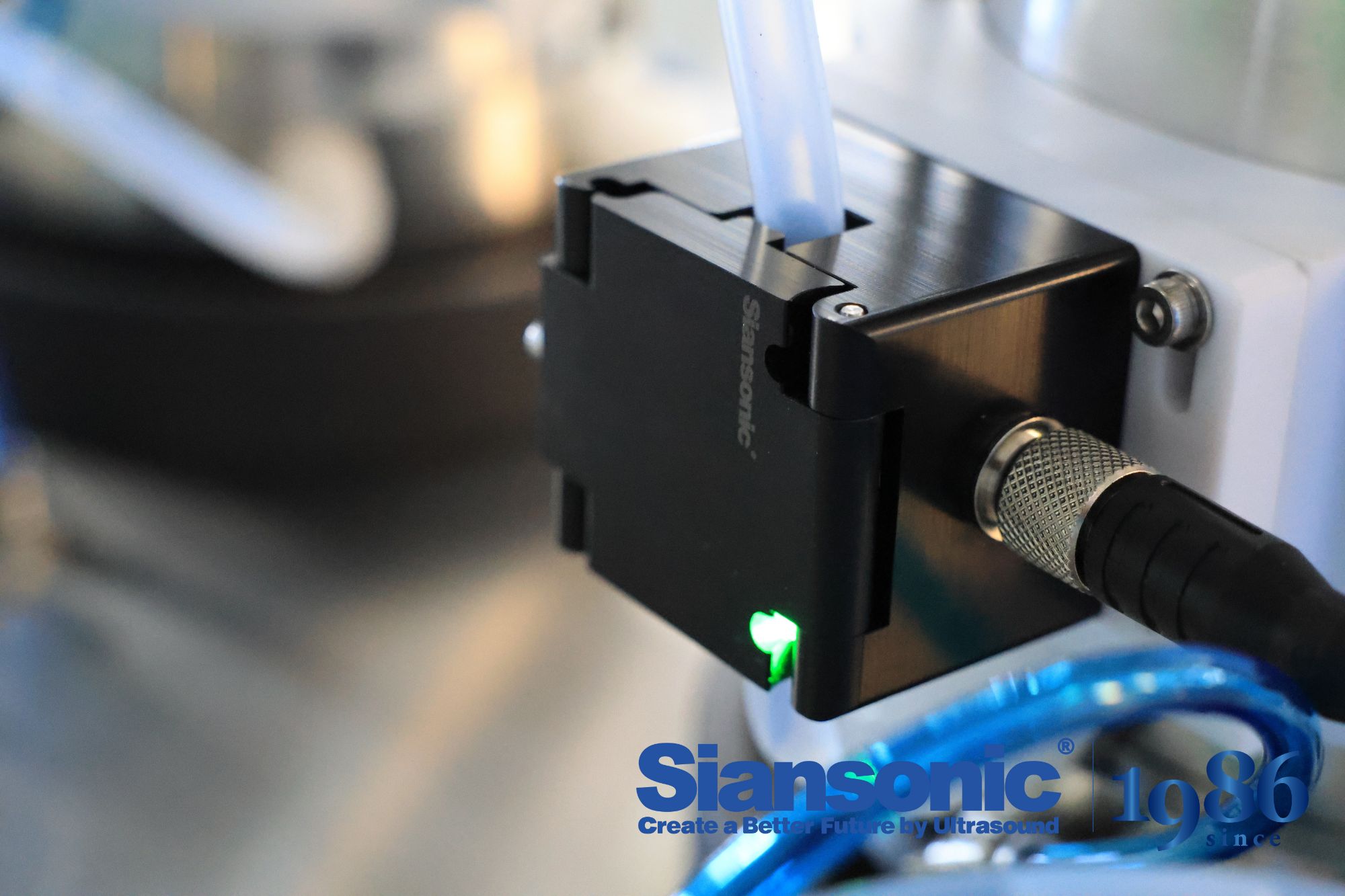
The difference usually isn't in the spec sheet. It's in how the sensor gets treated before it ever reaches a customer. Lab queens are measured once under steady, room-temperature conditions and then blessed as ready. Sensors that actually hold up get dragged through rapid temperature swings, soaked in humidity, shaken on a table, and left running for weeks just to see what drifts. That habit of breaking things on purpose, then fixing what fails, is where reliability comes from.
Another part of the habit is refusing to cherry-pick results. A lab queen might have one golden unit that matches the datasheet, while the rest of the production line varies wildly. Teams that build dependable sensors pull units from the line at random, run them at the edges of the claimed range, and log the ugly failures inside. They calibrate against a reference in the field, not just on a bench. It's slow and unglamorous, but that's why some sensors keep working after a year inside a tractor engine bay while others fall apart on a windowsill.
The testing habit also doesn't stop after shipment. Reliable sensors keep sending back data from real installations, and that data feeds the next design revision. Lab queens never learn from the field because they never leave the lab. Sensors that survive get a history of field scars and corrections, which makes the next version a little less fragile.
Customization Is a Two-Way Conversation, Not a Checkbox Exercise
Most companies treat customization as a menu of options: pick a color, add a logo, choose a size, and you're done. But that's not customization—that's just configuration. Real customization starts when you stop presenting checkboxes and start asking questions that have no predefined answers. What does the client actually need this product to do? Which part of their workflow frustrates them the most? The moment you listen instead of list, you move from a transaction to a relationship.
A two-way conversation means the client's vague, half-formed ideas are not obstacles to overcome but raw material to shape. They might say, "I want something that feels less rigid," and that's not a spec—it's an invitation to explore. You respond with prototypes, they react with emotions, and together you narrow down what "less rigid" actually means. This back-and-forth is messy, but it's where genuine fit lives. It requires patience and the willingness to say, "I don't know yet, let's try something else."
Checkbox exercises produce predictable results, and predictable results are easy to ignore. When a client feels heard—not just processed—they become invested in the outcome. They'll bring you problems you didn't ask about and trust you with constraints they wouldn't put in a form. That's the difference between delivering a widget and building a solution. Customization as dialogue doesn't guarantee a perfect first draft, but it guarantees relevance, and relevance is the only metric that matters.
Why Support Engineers Who Understand Your Fluid Beat Scripted Help Desks
When your product moves fast and the ground shifts under your feet, a support engineer who actually knows your system makes all the difference. Scripted help desks read from a fixed playbook, but real issues rarely follow the script. An engineer with deep context can spot the mismatch between what the docs say and what the code actually does, then get you back on track without three rounds of “please try clearing your cache.”
Fluid systems don’t break in predictable ways. One customer hits an edge case in a release from yesterday, another has a config that worked last week but now throws a silent failure. A support engineer who understands the moving parts won’t waste your time with tier-one checklists. They’ll dig into logs, reproduce the weird state, and tell you whether to roll back or patch forward. That kind of judgment only comes from working alongside the people who build and ship the product—not from memorizing a troubleshooting tree.
Over time, the difference compounds. Scripted desks close tickets, but they don’t learn your environment or remember why your last issue looked similar but wasn’t. An engineer who treats support as a dialogue keeps mental notes of your setup, your pain points, and the quirks you’ve already survived. When the next weird failure hits, you’re not starting from zero. You’re picking up a conversation with someone who already knows the map of your world.
The Factory Floor Question That Exposes Assemblers Posing as Innovators
Walk any production floor after a shift change and you'll hear the same confident pitch: a faster bracket, a leaner wiring harness, a "new" fixture that's really just last year's model with an extra clamp. The tell is never in the pitch—it's in the question that gets asked three steps later. Why does this part sit on the left side? Why does the torque spec jump from 12 to 18 at station four? A genuine innovator can answer without reaching for a manual because they've lived the failure modes that shaped the design. An assembler posing as an innovator will point to the drawing and say, "That's what the print calls for."
The factory floor question isn't complicated. Ask what happens if a tolerance gets cut in half, or if a redundant bracket gets removed. The real innovator can walk you through the cost, the vibration test that bit someone two years ago, or the supplier change that made the original fix unnecessary. The pretender will talk about process compliance and sign-offs. One learns the machinery by breaking it in their head; the other only knows how to bolt it together and wait for inspection.
How to Stop Buying Bubble Sensors on Spec Sheets Alone
You can stare at a bubble sensor datasheet until the numbers blur, but the field has a way of humbling even the most confident buyer. A sensor that nails its specified response time on a bench with pristine silicone tubing can turn erratic once it's clamped onto a slightly hazy PVC line with real patient fluid. The gap isn't in the spec table; it's in the unlisted interactions between sensor geometry, tubing hardness, and fluid surface tension. Until you test with your actual consumables, you're buying a promise written by someone who never saw your setup.
Start by ignoring the headline sensitivity figure and build a small torture test. Push air bubbles of varying size through your exact tubing at the lowest and highest flow rates you expect. Watch what happens when the line vibrates, when ambient light hits an optical sensor, or when condensation forms inside a drip chamber. Many optical sensors fail not because their emitter is weak, but because the receiver gets fooled by reflections off curved tubing walls. Acoustic sensors have their own blind spot: a foam-like mixture of micro-bubbles can scatter the signal enough to look like a single large air gap, triggering false alarms.
Then ask the vendor for a loaner unit and run it side by side with your current detection method for at least a week. You are not looking for perfect correlation; you are looking for the failure mode that only appears on a Tuesday afternoon when the IV pole gets bumped. Keep a log of every false positive and missed bubble. That log, not the spec sheet's typical performance curve, is the real purchase decision. A sensor that survives your worst day is worth more than one that excels in a controlled datasheet footnote.
FAQ
Look beyond the datasheet specs and ask for real application notes. A good supplier will show you how their sensor behaves with different tubing materials and fluid viscosities, not just a generic sensitivity curve.
Evaluate its performance under low battery voltage and varying ambient temperature. Some sensors drift when the supply rail sags, which causes missed bubbles. Request test data at 10% below nominal voltage and across your full operating temperature range.
They focus only on bubble size detection and ignore the acoustic coupling geometry. A sensor that works perfectly in a bench setup can fail in a molded housing due to small mismatches in tube spacing or acoustic impedance. Always test with your final mechanical assembly.
Ask for their incoming inspection records and lot rejection rates, not just a certificate. A trustworthy supplier will share data on transducer element screening, potting consistency, and end-of-line bubble detection testing, including how they simulate micro-bubbles.
If your production volume is above 50k units per year and you have a long development runway, a custom design often pays off through tighter integration and lower unit cost. For smaller runs or faster time-to-market, an off-the-shelf sensor with factory tuning is usually the safer path.
They should offer application engineering support that goes beyond a pinout diagram. Look for help with threshold setting, acoustic window design, and firmware algorithms. A supplier that provides reference code or on-site tuning assistance will save you months of trial and error.
It can make or break your submission. You need a supplier who understands ISO 13485 and can provide a complete technical file, including material certifications, EMC test reports, and change control notifications. If they hesitate to share validation data, treat that as a red flag.
Thermal cycling and repeated sterilization can degrade the acoustic coupling layer. Ask about accelerated life testing with your specific sterilization method, such as autoclave or chemical exposure, because a sensor that passes bench tests may crack or delaminate after hundreds of cycles.
Conclusion
A supplier's internal rejection rate speaks volumes before you commit to a single order. Low double-digit scrap in bubble sensor production often points to weak process control, inconsistent piezoelectric bonding, or rushed acoustic window assembly. Ask for batch-level data, not an annual average; a manufacturer willing to share per-run yields already treats quality as a measurable habit rather than a marketing claim. Pair that with testing protocols that go beyond a clean bench. Sensors that look perfect in a lab can drift or delaminate after thermal cycling or exposure to real fluid media. Insist on accelerated life tests, bubble size resolution sweeps, and long-term coupling stability trials using your actual liquid, not just water.
Customization is where many suppliers fall short. A genuine partner will discuss acoustic impedance, tubing material compatibility, and mounting constraints before quoting, not after you sign. Support matters just as much: engineers who have worked with viscous, aerated, or low-surface-tension fluids can troubleshoot integration issues that scripted call centers cannot. When you visit the factory floor, ask how they calibrate sensors and whether they design transducers in-house. Assemblers posing as innovators will hesitate or redirect. Finally, stop relying on spec sheets alone: request a sample that has been tested in your flow conditions, with your bubble size range and your temperature swings. That one step exposes whether the performance is engineered or just printed.
Contact Us
Contact Person: Ivy Zhang
Email: [email protected]
Tel/WhatsApp: +86 1081502288
Website: https://www.siansonic.com/