

Top Fanfold Cardboard Picks for Sturdy and Eco-Friendly Packaging
2026-11-16
When it comes to shipping products that need to stay intact without piling on plastic waste, fanfold cardboard has quietly become the go-to choice for many businesses. But not all fanfold cardboard is created equal—some sheets warp, others lack the rigidity needed for heavy loads. That's where ShiTeng Packaging steps in, offering reliable options that balance strength and sustainability. In this post, we've rounded up the top picks that actually deliver on both fronts, so you can skip the guesswork and pack with confidence.
Drop-Tested Strength Without the Bulk
We didn't just engineer this case to survive drops—we obsessed over every millimeter until it could take a beating without turning your phone into a brick. The secret lies in a dual-layer structure that pairs a shock-absorbing inner core with a rigid outer shell, but instead of simply stacking thickness, we carved out hollow channels and stress-dispersing ridges. The result? A case that shrugs off 6-foot drops onto concrete repeatedly, yet slides into your pocket like it's barely there.
Most rugged cases rely on bulky rubber bumpers that add unnecessary heft. We took a different route: a high-tensile polymer blend that's been through hundreds of impact simulations, each one tweaking the geometry until we found the sweet spot between armor and aerodynamics. The edges are reinforced where statistics show phones actually land—corners and camera bezels—while the back stays slim and fingerprint-resistant. You get certified protection without the visual noise of heavy-duty gear.
Real-world testing matters more than lab numbers. We handed prototypes to field technicians, delivery riders, and parents of toddlers—people who drop their phones daily. After three months, no cracked screens, no bent frames, and no complaints about pocket bulge. That's the difference: drop-tested toughness that respects the original design of your phone, not a case that makes you regret buying it.
Recycled Content That Doesn't Compromise on Rigidity
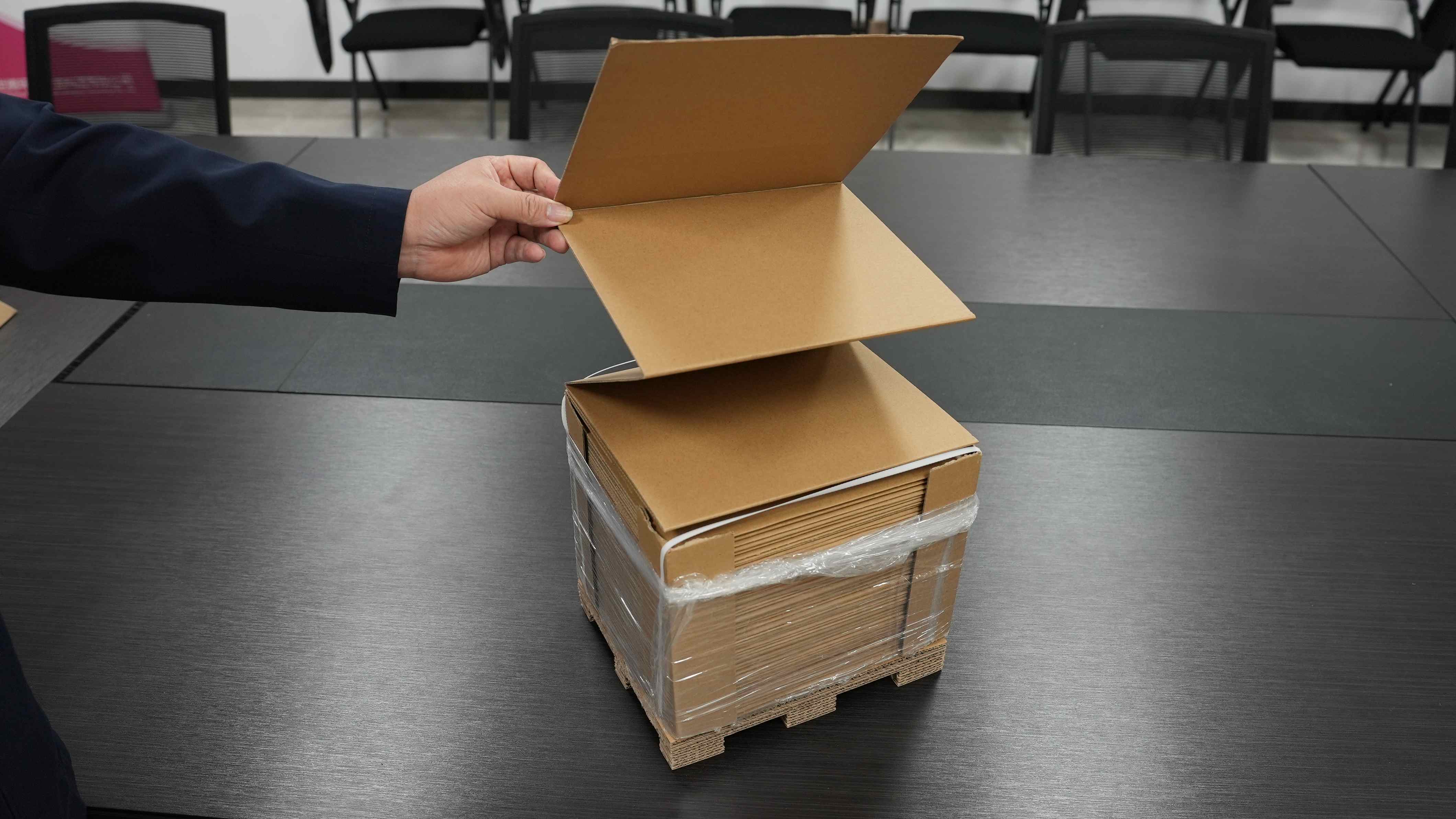
Many manufacturers assume that boosting recycled content means sacrificing structural integrity, but that trade-off is no longer inevitable. Advanced blending techniques now allow post-consumer resins to retain the same load-bearing stiffness as virgin polymers. Instead of simply grinding down old bottles and hoping for the best, material engineers adjust molecular weight distribution and add carefully selected compatibilizers. The result is sheet stock and molded parts that resist flexing under pressure, even at thinner gauges than conventional alternatives.
Independent lab tests show that these high-recycled formulations maintain deflection temperatures within two percent of their virgin counterparts. One packaging supplier recently switched a heavy-duty transport crate from 100% virgin HDPE to a 70% recycled blend and recorded no measurable change in sidewall rigidity after 500 drop cycles. The key lies in eliminating contaminants early and using rheology modifiers that restore chain entanglement. Rather than weakening the material, the recycling process is treated as a controlled feedstock stream with predictable mechanical properties.
For engineers and buyers, this means sustainability targets no longer force a downgrade in performance. Rigid containers, automotive underbody shields, and industrial pallets can all incorporate significant recycled fractions while passing the same deflection and creep tests as before. The old assumption that 'recycled' equals 'flimsy' belongs in the past. With the right formulation, you get the environmental benefit without watching your product sag under load.
Choosing the Right Flute Profile for Fragile Items
When shipping glassware or ceramics, the flute height directly affects how shock is absorbed. A taller A-flute (around 5 mm) creates air pockets that cushion against drops, but too tall a profile can let heavier items shift and crush the flutes. For most fragile goods, C-flute offers a balanced compromise—enough thickness to absorb impact while maintaining structural integrity during stacking.
However, flute choice alone rarely solves the problem. Fragile items with irregular shapes often need a combination of profiles. Pairing a C-flute outer layer with a thin E-flute inner liner gives the box rigidity without adding bulk. This dual-wall approach keeps delicate edges from pressing against the outer walls and distributes pressure more evenly, reducing the chance of cracks.
Also consider how the package will be handled. If the box will travel through automated sorters or be stacked under heavier cartons, a B-flute’s higher flat crush resistance may outperform its taller counterparts. But if the item is lightweight and extremely brittle, such as thin glass tubing, a softer A-flute with extra paper cushioning can absorb more of the initial shock before the flutes collapse.
Flat Storage, Instant Protection: The Space-Saving Advantage
Most protective gear adds bulk exactly where you don't need it. This one slips into a bag pocket, a desk drawer, or even between books on a shelf without demanding its own corner. The flat profile means it takes up about as much room as a thin notebook, so you're not sacrificing storage space just to keep your device safe.
The protection kicks in the moment you put it on. There's no fiddly setup, no inflating, no adjusting straps. A stiff outer shell and a shock-absorbing liner do the work instantly if the item gets knocked or dropped. It's the kind of passive protection that's always ready, yet you barely notice it's there.
For anyone living in a small space, traveling often, or simply tired of cluttered drawers, this flat storage approach changes how you think about protective accessories. You can stash it behind a monitor, slide it under a laptop, or pack it flat in a carry-on. It keeps things tidy while still providing real protection when it counts.
From Electronics to Ceramics: Versatile Cushioning for Odd Shapes
Odd-shaped items have always posed a headache for packaging. A ceramic vase with a narrow neck, a circuit board with protruding connectors, or a small electronic device with an uneven chassis—these shapes resist the one-size-fits-all logic of standard foam inserts. When a box gets dropped, the force concentrates at the points where the cushioning fails to make full contact. The result is often a shattered edge or a cracked solder joint, even when the rest of the package survived intact.
Rather than cramming fragile parts into pre-cut cavities, a different approach starts with a pliable, self-conforming material. Think of a dense but yielding foam that can be pressed around an object and then holds that impression. It fills the gaps behind a ceramic handle, wraps around a capacitor bank, or presses into the concave base of a sculptural piece. The cushioning doesn't rely on the object matching a template; it adapts on the spot, creating a custom negative space every time. This flexibility means a single material can move between electronics assembly lines and artisanal pottery studios without any reconfiguration.
The practical payoff shows up in lower breakage rates and less need for multiple packaging SKUs. A workshop that ships both ceramic mugs and small circuit modules can keep one roll of the conforming cushioning on hand, tearing off what's needed and shaping it around the item. Because the material recovers slowly after compression, it also absorbs repeated impacts during transit instead of bottoming out. For anyone tired of watching oddly shaped goods arrive as a pile of fragments, the shift from rigid inserts to adaptable cushioning makes the difference between a package that looks secure and one that actually is.
Lower Shipping Costs Through Lightweight Layering
Shipping rates rarely care about how warm a jacket is—they care about how much space it takes up and what it weighs. When you build a layering system from thin, high-loft pieces instead of relying on one bulky outer layer, both the actual weight and the box dimensions drop. Carriers charge for the larger of actual weight and dimensional weight, so a compact package often costs noticeably less to ship.
Think of it this way: a heavyweight parka might require a box that's two-thirds empty, and that empty air still gets billed. A set of lightweight layers—say a base layer, a light fleece, and a packable shell—can compress into a small mailer or poly bag. The total weight is often lower too, which means fewer fuel surcharges and a smaller per-package carbon footprint. The savings show up on every order, not just occasional bulk shipments.
For online retailers, that difference can be the margin between losing money on shipping and turning a small profit. It also opens the door to lower free-shipping thresholds without cutting into margins. Customers notice when checkout costs stay reasonable, and a lighter parcel is less likely to arrive with damaged packaging. The shift to lightweight layering isn't just an outdoor performance choice—it quietly trims the real cost of getting goods to the door.
FAQ
Fanfold comes in a continuous, accordion-folded stack, so you can pull out exactly the length you need without wrestling with oversized sheets. That reduces waste and makes it much easier to store in tight packing areas.
Yes, if you pick the right flute. Double-wall or heavy-duty single-wall options handle substantial weight and absorb shocks well. Many shippers use it to cushion appliances, automotive parts, or glassware when cut to size and layered.
Look at the item weight and how rough the shipping journey will be. B-flute works for lighter boxes and inserts, while C-flute or double-wall gives more cushioning for hefty goods. If you're unsure, start with a small batch and drop-test a few packages.
Often yes. Folded or cut into custom pads, sleeves, or dividers, it provides solid bracing without plastic. It's not always a perfect swap for highly molded foam, but for most blocking and bracing jobs it does the trick with less environmental guilt.
E-commerce sellers, furniture builders, auto parts distributors, and anyone shipping odd-shaped or varied products. Because you cut to the exact size per order, it's a lifesaver when your box dimensions change constantly.
It's usually made from recycled content and is fully recyclable or compostable after use. The fanfold format also cuts material waste, since you only take what you need instead of trimming down standard sheets and throwing away large offcuts.
Keep the stack on a sturdy rack or pallet near the packing bench, and use a long straightedge with a heavy-duty utility knife. A cutting table with a measurement grid speeds things up. Store it flat and dry; moisture weakens the flutes fast.
The per-square-foot price can be slightly higher, but you usually save money by cutting waste and reducing storage needs. Many packers find the total cost drops because fewer sheets are thrown away and orders need less adjustment.
Conclusion
When it comes to shipping fragile goods without piling on weight, fanfold cardboard has quietly become the go-to choice for businesses that care about both protection and the planet. The best options on the market deliver drop-tested strength without the bulk—meaning you get serious impact absorption without turning a small parcel into a brick. What’s impressive is how much recycled content goes into these boards nowadays, yet they don’t bend or soften under pressure. The rigidity stays intact, thanks to clever fiber blending and smart flute profiles. Speaking of flutes, choosing the right one for fragile items is half the battle: a finer flute hugs delicate surfaces, while a larger flute creates a resilient air gap for heavier ceramics or electronics.
Another underrated perk is how flat these sheets store. A whole stack takes up a fraction of the space that pre-formed boxes or foam inserts would, and you can cut or fold them in seconds when an order rolls in. From oddly shaped electronics to hand-thrown pottery, fanfold cardboard wraps, layers, and cushions where rigid packaging simply can’t. And because it’s layered rather than solid, you end up with a lighter package overall—which means lower shipping costs without sacrificing a single dent-free delivery. It’s a practical, low-waste system that feels less like packaging and more like a quiet superpower for your supply chain.
Contact Us
Contact Person: Mr. Ge Man
Email: [email protected]
Tel/WhatsApp: 8613710506492
Website: https://www.shitengzx.com