

Top 10 Cold Storage Panel Production Lines Transforming the Cold Chain Industry
2026-07-29
Cold chain logistics is evolving at breakneck speed, and the backbone of this transformation often goes unnoticed: the production lines that craft cold storage panels. From seamless insulation to rapid assembly, the top 10 lines reshaping the industry blend precision with scalability. At the forefront, YI ZHOU TECHNOLOGY is redefining what’s possible—turning raw materials into energy-efficient panels that keep perishables safe across continents. What makes these lines truly game-changing isn’t just speed, but how they tackle the hidden challenges of thermal integrity and cost. Here’s a closer look at the innovations setting new standards in cold storage manufacturing.
Rethinking Core Materials: Vacuum Insulated Panels Enter Cold Storage
For decades, cold storage facilities have relied on conventional insulation like polyurethane foam to maintain stable temperatures. But a quieter shift is now unfolding: vacuum insulated panels, or VIPs, are carving out a role as the next-generation core material. These panels, which encase a microporous core within a gas-tight envelope, cut thermal conductivity to levels that older materials can't approach—often outperforming by a factor of five to ten. The intrigue lies not simply in the numbers, but in what that leap enables for modern cold chain design.
The payoff shows up in more than just a thinner wall. Because VIPs achieve the same insulating value with a fraction of the thickness, architects and engineers can reclaim precious square footage inside cold rooms and freezer warehouses. That space translates directly into additional storage capacity or more flexible layout options. At the same time, the enhanced thermal barrier slashes heat gain, easing the load on refrigeration systems. Over a building's lifetime, the energy savings can offset the higher upfront cost, making VIPs a practical choice for operators weary of rising electricity bills.
Yet the transition isn't frictionless. VIPs are susceptible to punctures and can lose performance over time if the vacuum degrades, so installation demands a level of care uncommon for rigid foam boards. Early adopters have had to weigh these vulnerabilities against long-term gains, and the industry has responded with tougher facings and integrated protective layers. As production scales and standards mature, what once felt like a niche curiosity is steadily becoming a calculated bet. For cold storage, rethinking core materials may no longer be optional—it's becoming a quiet imperative.
The Quiet Rise of Laser-Guided Foaming in Panel Manufacturing
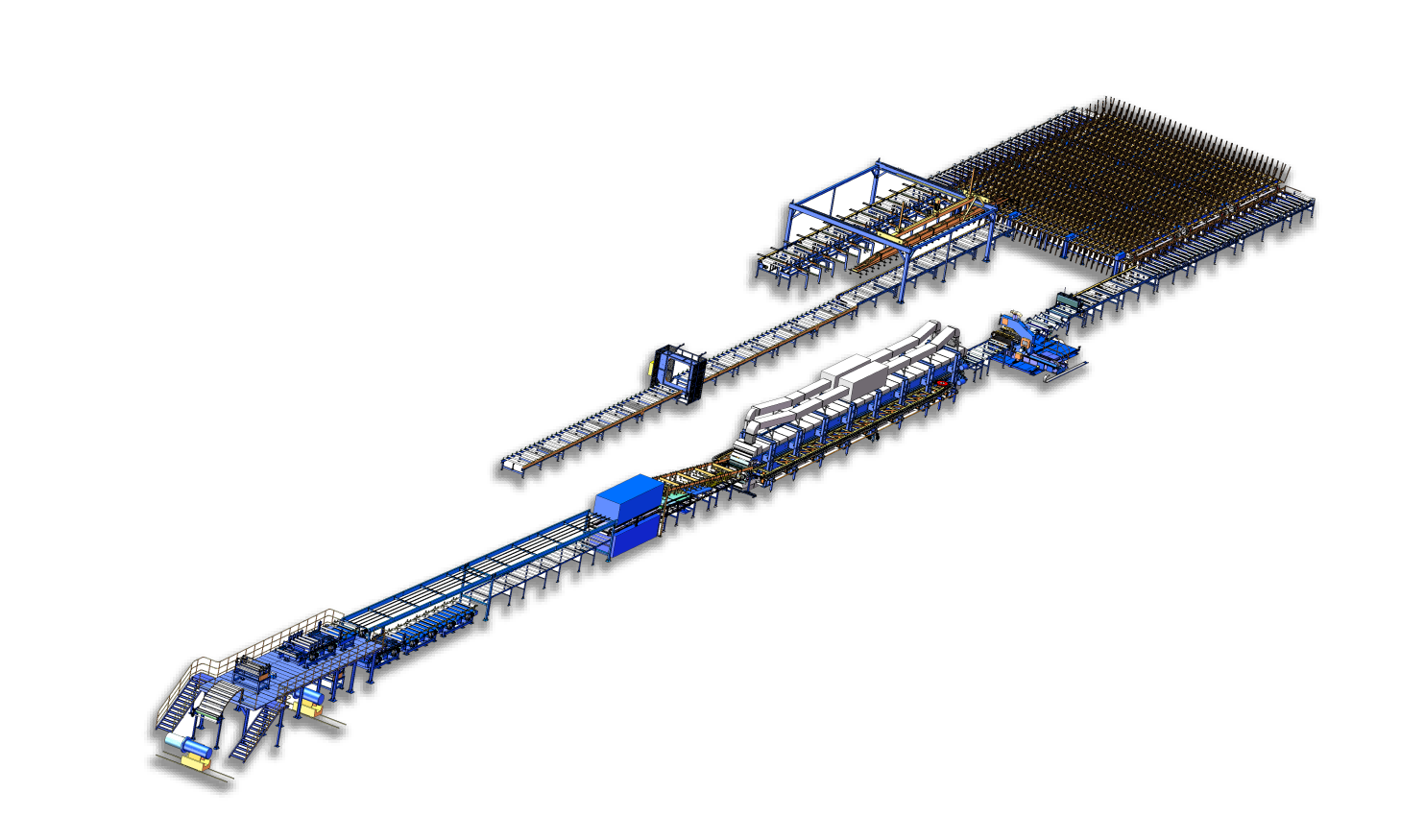
In the fast-paced world of panel manufacturing, precision and consistency are everything—but the methods used to apply foams have long been stubbornly prone to waste and human error. Laser-guided foaming is changing that, quietly weaving its way into production lines where millimeter accuracy can make or break a product. What once relied on steady hands and decades of experience is now being augmented by beams of light that map every curve and crevice, ensuring foam settles exactly where it’s needed, every single time.
The shift hasn’t come with fanfare. Instead, it’s a pragmatic response to material costs and sustainability demands that refuse to be ignored. By scanning the substrate in real time and adjusting nozzle paths on the fly, these systems minimize overspray and cut down on chemical usage by up to thirty percent. For plant managers, it’s less about futuristic robotics and more about practical math: less cleanup, fewer rejects, and a noticeable drop in raw material orders month over month.
What’s surprising is how this technology is reshaping skill requirements on the floor. Operators who once judged a perfect bead by look and feel are now interpreting data overlays, tweaking parameters with a tablet instead of a wrench. Yet, the human touch hasn’t vanished—it’s just moved upstream, where understanding material behavior still separates a good line from a great one. The quiet rise isn’t about replacing people; it’s about giving them a tool that lets their judgment shine, with a laser guiding the way.
Why Joint Integrity Now Dictates Cold Storage Line Specifications
Cold storage facilities are no longer just oversized refrigerators—they are precision-controlled environments where even a minute thermal leak can cascade into spoilage, regulatory headaches, and massive energy waste. At the heart of this vulnerability lies the humble pipe joint. Traditionally, joint specifications were an afterthought, selected from standard catalogs with little regard for the punishing freeze-thaw cycles and vapor drive that define cold storage. But as operators push toward tighter temperature bands and leaner operating margins, the integrity of these connections has become the linchpin of the entire system. A failed joint today doesn’t just leak refrigerant; it invites moisture, compromises insulation, and silently erodes the thermal envelope that modern cold chains depend on.
The shift in specification focus has been driven by a harsh truth: conventional gaskets and mechanical couplings simply weren’t engineered for the -40°F reality where materials become brittle and micro-movements from defrost cycles act like a long-term fatigue test. Engineers now approach joint design with the same rigor as pressure vessel integrity, factoring in thermal contraction coefficients, condensation risks, and the relentless vibration from high-volume air handlers. The new generation of cold storage lines demands connections that maintain their seal not just at installation, but across decades of thermal shock. This means moving beyond generic elastomers to purpose-formulated sealing materials, and integrating secondary containment features that turn a potential leak into a controlled event rather than a crisis. It’s a paradigm where the joint isn’t just a connector—it’s a strategic barrier.
Ultimately, the mandate for joint integrity is rewriting procurement language and forcing a deeper collaboration between facility designers, insulation contractors, and component suppliers. Specifications now call out performance metrics like allowable leakage rates under cyclic loading, and demand test data that simulate years of operational stress. For cold storage operators, this represents a fundamental insurance policy: the cost premium for a high-integrity joint system is dwarfed by the liability of a single unreported leak that compromises thousands of pallets of pharmaceuticals or food. As the industry pushes toward automated, uncrewed facilities where manual inspections are rare, the joint has silently ascended to become the critical specifier—dictating not only pipe connections, but the very reliability of the cold chain itself.
From Ship to Store: Supply Chains Bet on Pre-Insulated Panels
The shift toward pre-insulated panels in cold chain logistics isn’t just a matter of incremental improvement—it’s redefining how goods move across continents. Traditional cold storage methods often involved assembling insulated chambers on-site, a process riddled with thermal inefficiencies and construction delays. By integrating insulation directly into structural panels during manufacturing, companies are compressing timelines and gaining tighter control over temperature stability from the moment cargo leaves a vessel until it reaches retail shelves. This prefabricated approach slashes the margin for error during transit, minimizing spoilage risks that cost the food and pharmaceutical industries billions annually.
Beyond the obvious thermal advantages, pre-insulated panels are quietly reshaping inventory management strategies. Because these panels arrive ready to assemble, distribution centers can scale up or relocate cold storage capacity with unprecedented speed. A grocery chain, for instance, might deploy modular cold rooms near high-demand urban hubs without the months-long wait typical of conventional construction. This agility means supply chains become less static—they can flex with seasonal demand spikes or pivot to handle new product lines without locking capital into permanent structures. The ripple effect is a more responsive network where store replenishment cycles tighten and waste drops further.
Yet the real bet lies in long-term operational resilience. Pre-insulated systems tend to exhibit superior airtightness and reduced thermal bridging, which translates to lower energy consumption over time. In an era where regulatory pressure around carbon footprints is intensifying, logistics providers are finding that these panels serve as both a compliance asset and a hedge against volatile energy prices. Maintenance becomes simpler, too: fewer joints and a factory-sealed envelope mean less risk of moisture ingress that can compromise insulation performance. For supply chain strategists, the math adds up—faster deployment, lower lifetime costs, and a adaptability that legacy solutions simply can’t match.
Energy Costs Drop When Camlock Panels Replace Traditional Blockwork
Switching from traditional blockwork to Camlock panels can lead to noticeable reductions in energy bills almost immediately. The secret lies in the advanced insulation properties of the panels, which create a continuous thermal barrier that blockwork simply cannot match. Unlike mortar-filled joints and porous blocks that allow heat to escape, the engineered locking system of Camlock panels forms a tight seal, minimizing thermal bridging and keeping conditioned air where it belongs. In real-world applications, buildings retrofitted with these panels have reported heating and cooling savings of up to 30% within the first year alone.
Beyond the obvious envelope improvements, the lightweight nature of Camlock panels also reduces the load on HVAC systems. Traditional masonry stores and slowly releases heat, often working against interior climate control, while the low thermal mass of the panels means faster response times and less energy wasted on stabilizing indoor temperatures. Facility managers have noted that their heating systems cycle less frequently, and cooling equipment doesn’t have to battle heat that’s been soaking into walls all afternoon. Over time, this translates not only into lower monthly expenses but also extended equipment life and reduced maintenance costs.
What often gets overlooked is how installation speed indirectly cuts energy costs. Camlock panels go up in a fraction of the time required for blockwork, meaning the building is sealed and climate-ready sooner. On large commercial projects, that shorter construction window can save weeks of temporary heating or cooling, which can be a major line item in project budgets. It’s a case where a smarter building method pays off before the occupants even move in, and the savings continue long after.
Small Scale, Big Impact: Container Cold Storage Gains Traction
The shift toward containerized cold storage is quietly reshaping how businesses handle temperature-sensitive goods. What was once a clunky, fixed-infrastructure challenge is now being solved with modular units that can be deployed almost anywhere. These plug-and-play systems are finding their way onto small farms, urban fulfillment centers, and even temporary event sites, offering flexibility that traditional walk-in coolers simply can't match.
One of the most compelling drivers of this trend is the need to reduce post-harvest loss in regions where cold chain infrastructure is spotty at best. By making cold storage more accessible and scalable, these containers are enabling growers to preserve freshness longer without waiting for major capital projects. It's a pragmatic solution that sidesteps the high costs and long timelines of building permanent facilities, all while keeping produce out of landfills.
Beyond agriculture, we're seeing food distributors and ghost kitchens adopting container cold storage to handle unpredictable demand swings. The ability to add or relocate refrigeration capacity within days, not months, has turned what used to be a logistical headache into a strategic advantage. Quietly, these steel boxes are becoming the unsung heroes of a more agile, resilient cold chain.
FAQ
Today's lines leverage automated lamination and precision cutting, drastically cutting down waste while delivering panels with tighter thermal seals. Older setups relied on manual steps or outdated presses that often left gaps, reducing insulation performance.
By producing panels with nearly seamless insulation and minimal thermal bridging, they maintain internal temperatures far more efficiently. This translates to refrigeration systems working less, sometimes slashing energy use by a quarter or more across a facility.
Definitely. Many lines now use eco-friendly blowing agents for the foam core and recycle offcuts right within the process. Some manufacturers even configure panels for easy disassembly, so materials can be reused when a building is decommissioned.
Continuous foaming lines with high-pressure metering units are one standout. Combined with multi-layer composite pressing and inline quality sensors, they ensure consistent density and adhesion without slowdowns. Vision systems for edge profiling add another layer of precision.
They integrate modular tooling and quick-change fixtures that allow switching between panel thicknesses, lengths, and facings almost on the fly. This flexibility means clients aren’t stuck with a handful of standard sizes—they get panels tailored to exact project specs without long lead times.
Automation handles the heavy lifting and exposure to chemicals. Enclosed mixing chambers for polyurethane foam drastically lower inhalation risks, and robotic stacking systems remove the need for manual handling of large, awkward panels, cutting workplace injuries significantly.
Absolutely, but the skillset has shifted. Instead of manual cutting and pouring, operators now oversee machine diagnostics, fine-tune process parameters, and interpret data from inline scanners. It's more about tech-savvy oversight than physical labor.
Conclusion
Cold storage panel production is undergoing a quiet transformation, driven by material innovations and smarter manufacturing. Vacuum insulated panels are now entering the mainstream, slashing panel thickness while boosting thermal performance—a shift that rethinks what a core material can do. On the factory floor, laser-guided foaming systems are tightening tolerances and reducing waste, giving line operators a level of control that was hard to imagine a decade ago. At the same time, engineers have zeroed in on joint integrity: sealed, consistent connections between panels now dictate the specs for entire production lines, because even the best insulation fails if joints leak.
Downstream, the impact is spreading fast. Pre-insulated panels are becoming the default choice for everything from ship-to-store logistics to massive cold warehouses, slashing on-site labor and shrinking construction timelines. In retrofit and modular projects, camlock panel systems are quietly replacing traditional blockwork, cutting energy bills through faster assembly and tighter envelopes—no heavy machinery required. Meanwhile, containerized cold storage is gaining ground in small-scale and remote applications, proving that size doesn’t limit reach. Together, these shifts paint a clear picture: the cold chain isn’t just getting colder—it’s getting smarter, one panel line at a time.
Contact Us
Contact Person: Sophia Jiang
Email: [email protected]
Tel/WhatsApp: +86 17367381818
Website: https://yzwelding.com/