

Top 10 4G and 5G Radio Technologies: Essential Guide for Modern Networks
2025-12-25
In the ever-evolving landscape of mobile communications, staying ahead of the curve with the latest radio technologies is crucial for building robust and future-proof networks. This guide dives into the top 10 essential 4G and 5G radio technologies that are shaping the modern connectivity we rely on daily. Whether you're a network engineer, tech enthusiast, or simply curious about how your devices stay connected, this curated list will provide valuable insights into the innovations driving faster speeds, lower latency, and greater reliability. To explore more about cutting-edge advancements in this field, check out Lisheng's expertise in radio solutions, where expert knowledge meets practical applications. Get ready to uncover the key technologies that power today's networks and inspire tomorrow's breakthroughs—let's delve in!
Understanding the Core 4G and 5G Radio Technologies
4G and 5G radio technologies form the backbone of modern mobile communication, with distinct design principles that drive their performance. 4G, based on Long-Term Evolution (LTE), introduced Orthogonal Frequency-Division Multiple Access (OFDMA) for efficient spectrum use and higher data rates up to 1 Gbps, revolutionizing how we stream and browse on the go. In contrast, 5G builds on this with innovations like massive MIMO (Multiple Input Multiple Output) and beamforming, enabling unprecedented speeds exceeding 10 Gbps and ultra-low latency, essential for real-time applications such as autonomous vehicles and remote surgery.
Beyond speed, the shift from 4G to 5G marks a fundamental transformation in network architecture. While 4G networks primarily rely on centralized macro cells, 5G leverages a more flexible, heterogeneous approach with small cells and network slicing. This allows for tailored connectivity solutions, from dense urban environments to remote industrial sites, optimizing resource allocation and reducing interference. Moreover, 5G's use of higher frequency bands, including millimeter waves, opens up new spectrum but presents challenges in coverage, addressed through advanced antenna technologies.
Looking ahead, these core technologies are not just incremental upgrades but pivotal enablers of future innovations. 5G's integration with edge computing and IoT devices, supported by its robust radio framework, paves the way for smart cities and immersive experiences like augmented reality. As we continue to explore 6G concepts, the lessons from 4G and 5G highlight the ongoing evolution toward more intelligent, responsive, and connected wireless ecosystems, reshaping how we interact with technology daily.
Key Innovations in 5G Radio Access Networks
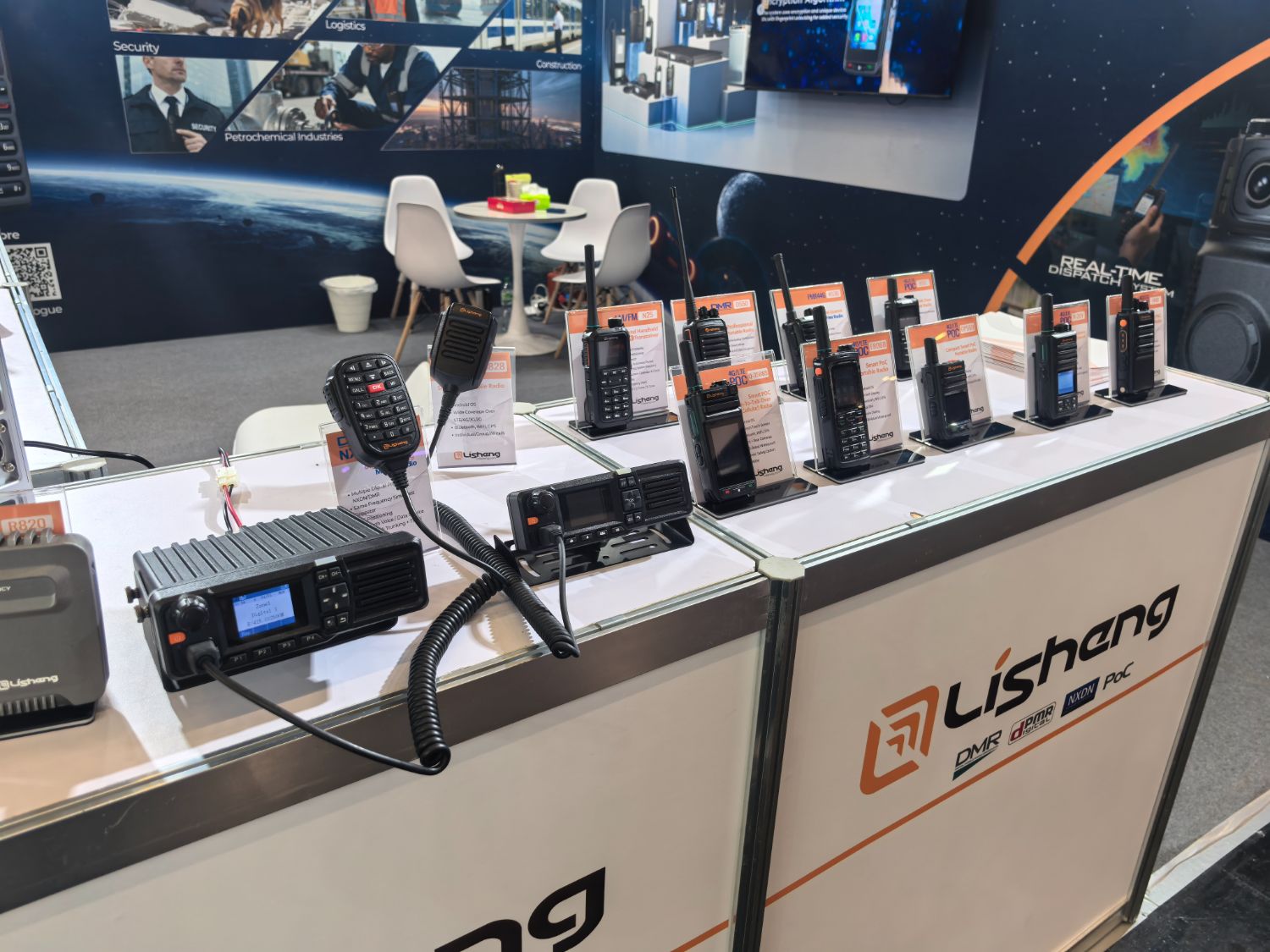
The shift to 5G has unlocked major advancements in radio access networks, primarily through massive MIMO (Multiple-Input Multiple-Output) technology. By deploying hundreds of antennas at base stations, this setup dramatically boosts network capacity and coverage, enabling simultaneous connections for countless devices without sacrificing speed. It's like upgrading from a narrow country road to a multi-lane superhighway, handling dense urban traffic with ease.
Another game-changer is network slicing, which allows operators to create virtual, customized segments within a single physical network. This means tailored slices can be allocated for specific needs, such as ultra-reliable low-latency communication (URLLC) for autonomous vehicles or enhanced mobile broadband for streaming, all coexisting efficiently. It transforms a one-size-fits-all approach into a flexible, on-demand system, much like partitioning a shared workspace into private offices.
Beamforming technology further refines this by directing focused radio waves precisely to users rather than broadcasting uniformly, reducing interference and extending range. When combined with edge computing, which processes data closer to the source, it slashes latency for real-time applications like remote surgery. Together, these innovations create a smarter, more responsive network that adapts dynamically to diverse demands.
4G Radio Enhancements for Current Network Demands
As mobile data usage skyrockets with trends like high-resolution video streaming and IoT devices flooding networks, 4G radio enhancements have become crucial to keep up. Innovations in carrier aggregation techniques now allow multiple frequency bands to combine, boosting bandwidth and reducing latency for smoother user experiences. This isn't just about faster speeds; it's about making networks more resilient during peak hours when everyone's online simultaneously.
Advanced antenna technologies, such as MIMO (Multiple Input Multiple Output), are being fine-tuned to deliver stronger signals and better coverage in crowded urban areas or remote locations. These updates help minimize dropped calls and buffering, ensuring that users can rely on their connections for everything from video conferences to smart home controls.
Beyond hardware upgrades, software improvements like dynamic spectrum sharing enable 4G to coexist efficiently with emerging 5G networks, optimizing resource allocation without requiring a complete overhaul. This strategic approach ensures that current infrastructure stays relevant and cost-effective, meeting today's demands while paving the way for future innovations.
Spectrum Management Strategies for 4G and 5G
In the ever-evolving landscape of wireless communication, spectrum management for 4G and 5G networks is not just about allocating frequencies but dynamically orchestrating resources to meet diverse demands. While 4G primarily focused on enhancing mobile broadband with efficient use of sub-6 GHz bands, 5G introduces a paradigm shift by incorporating mmWave spectrum for ultra-high speeds, alongside traditional bands for coverage. This requires smart strategies like spectrum sharing and refarming, where older bands are repurposed to fuel newer technologies without disrupting existing services. Unlike rigid allocations of the past, today's approaches emphasize flexibility, using tools like carrier aggregation to combine disparate frequency blocks, enabling operators to optimize capacity and reduce congestion in real-time.
What sets modern spectrum management apart is its adaptive nature, tailored to the unique characteristics of 4G and 5G. For 4G, strategies often involve leveraging LTE-Advanced features such as dynamic spectrum access to improve efficiency in crowded urban areas. In contrast, 5G demands more innovative tactics, like beamforming and massive MIMO, which maximize the potential of higher frequencies while mitigating propagation challenges. Spectrum auction policies also play a critical role, with regulators moving from simple bidding to incentive-based models that encourage investment in rural coverage and IoT applications. This nuanced approach ensures that networks can scale seamlessly, supporting everything from massive machine-type communications to low-latency use cases.
Looking ahead, spectrum management is becoming increasingly holistic, integrating AI and machine learning to predict traffic patterns and automate resource allocation. Unlike earlier generations that relied on static plans, 4G and 5G networks benefit from cognitive radio techniques, allowing devices to intelligently switch bands based on availability and quality. This not only boosts reliability but also paves the way for future innovations like network slicing, where spectrum can be virtually partitioned to serve specific industries, from healthcare to autonomous vehicles. By embracing these advanced strategies, stakeholders can ensure that spectrum—a finite resource—is utilized to its fullest, driving connectivity forward without the bottlenecks of traditional methods.
Deployment Challenges and Solutions for Radio Technologies
Deploying radio technologies often comes with a host of challenges, from navigating complex regulatory landscapes to managing interference in crowded spectrum bands. For instance, in urban environments, the proliferation of devices relying on frequencies like Wi-Fi and 5G can lead to significant signal degradation. Companies must carefully plan their network layouts and invest in advanced spectrum management tools to mitigate these issues. Beyond technical hurdles, there's the logistical nightmare of installing infrastructure—think of the difficulties in securing permits for cell towers or dealing with public opposition over aesthetic and health concerns. Addressing these challenges requires a blend of technical innovation and community engagement.
Solutions in this space are as diverse as the problems themselves. One effective approach is the adoption of software-defined radio (SDR), which allows for dynamic frequency allocation and reconfiguration on the fly. This technology enables networks to adapt to changing conditions, reducing interference and improving resilience. Additionally, leveraging artificial intelligence for predictive maintenance can preempt failures in radio hardware, minimizing downtime. On the regulatory front, collaborations between governments and industry players have led to streamlined processes for spectrum auctions and deployment approvals, fostering a more conducive environment for innovation. These strategies not only tackle immediate obstacles but also pave the way for future advancements.
Looking ahead, the integration of radio technologies with emerging fields like the Internet of Things (IoT) and edge computing is set to redefine deployment strategies. For example, low-power wide-area networks (LPWANs) offer cost-effective solutions for connecting vast numbers of sensors in remote locations, overcoming traditional range limitations. However, this expansion introduces new challenges, such as ensuring security and interoperability across diverse systems. To stay ahead, organizations should prioritize scalable, modular designs and foster cross-industry partnerships. By embracing a forward-thinking mindset, they can transform deployment hurdles into opportunities for growth and differentiation in a rapidly evolving technological landscape.
Future Trends in Radio Technology Evolution
The evolution of radio technology is on the brink of some truly transformative changes that promise to reshape how we communicate and connect. Imagine a world where your devices seamlessly talk to each other without human intervention, thanks to advancements like cognitive radio, which dynamically adjusts to available frequencies, reducing congestion and boosting efficiency. This isn't just about faster connections; it's about smarter networks that adapt in real-time to user demands and environmental conditions, paving the way for more reliable and personalized experiences.
Another exciting trend is the integration of software-defined radio (SDR), which is turning traditional hardware-based systems into flexible, software-driven platforms. This shift allows for easier updates and customization, enabling radio technology to keep pace with rapid innovations in areas like IoT and smart cities. By moving away from rigid architectures, we're seeing more agile solutions that can support everything from emergency communications to autonomous vehicles, making radio a cornerstone of future tech ecosystems.
Moreover, the push towards higher frequency bands, such as millimeter-wave and terahertz waves, is unlocking unprecedented data speeds and capacities. This isn't just incremental improvement; it's a leap towards ultra-high-definition streaming, real-time augmented reality, and other bandwidth-hungry applications. Coupled with energy-efficient designs and AI-driven optimizations, these trends are set to make radio technology more powerful and sustainable, ultimately enhancing how we interact with the world around us.
FAQ
The guide highlights key 4G technologies like LTE-Advanced, carrier aggregation, and MIMO, which boost data speeds and network efficiency for modern networks.
5G introduces advanced radio tech such as millimeter wave, massive MIMO, and beamforming, enabling faster speeds, lower latency, and higher capacity compared to 4G's LTE-based systems.
Carrier aggregation combines multiple frequency bands in both 4G and 5G to increase bandwidth, improve data rates, and enhance overall network performance for users.
Massive MIMO uses many antennas at base stations to transmit multiple data streams simultaneously, significantly boosting 5G network capacity, coverage, and spectral efficiency.
Beamforming directs radio signals toward specific devices instead of broadcasting widely, reducing interference and increasing signal strength in both 4G and 5G setups.
Millimeter wave faces issues like short range and poor penetration through obstacles, requiring dense small cell deployments and advanced antenna designs to overcome.
Network slicing allows 5G to create virtual networks with customized resources, supporting diverse applications from IoT to ultra-reliable low-latency communications efficiently.
They coexist through techniques like dynamic spectrum sharing, enabling smooth transitions and backward compatibility, ensuring seamless connectivity as networks evolve.
Conclusion
This essential guide to the top 10 radio technologies for modern networks delves into the foundational aspects of 4G and 5G systems, highlighting how these innovations shape contemporary connectivity. It begins by exploring the core technologies that underpin both generations, such as OFDMA in 4G and massive MIMO and beamforming in 5G, which enable higher data rates and improved spectral efficiency. The discussion extends to key 5G innovations like network slicing and ultra-reliable low-latency communication, which cater to diverse applications from IoT to autonomous vehicles. Simultaneously, it addresses how 4G radio enhancements, including carrier aggregation and advanced antenna techniques, continue to meet current network demands by boosting capacity and coverage, ensuring a seamless transition as 5G deployment progresses.
The guide also tackles practical deployment challenges, offering solutions for integrating these technologies into existing infrastructures, such as overcoming site acquisition issues and optimizing energy consumption. Spectrum management strategies are emphasized, underscoring the importance of dynamic spectrum sharing and mmWave utilization to maximize resource efficiency for both 4G and 5G networks. Looking ahead, future trends point toward the evolution of radio technologies with advancements like AI-driven network optimization and the integration of 6G concepts, promising even greater speeds and connectivity. By weaving together these aspects—from core innovations to strategic deployments and future outlooks—this summary provides a holistic view essential for navigating the dynamic landscape of modern wireless networks.
Contact Us
Contact Person: andrea
Email: [email protected]
Tel/WhatsApp: (+86)13960400802
Website: https://www.lishengradio.com/