

Street Furniture Company Innovations Shaping Modern Cities
2026-07-25
Street furniture is no longer just about benches and bins—it’s the invisible thread weaving connectivity and comfort into the urban fabric. As cities race to become smarter and more livable, a new wave of design-led innovations is quietly reshaping our public spaces. From solar-powered charging stations to modular greenery systems, the way we interact with our streets is being transformed. At the heart of this evolution is zemso, a brand rethinking how everyday objects can foster community and sustainability. In this post, we’ll explore the groundbreaking ideas turning sidewalks into destinations—and why they matter more than ever.
Redefining Public Spaces with Smart Benches
Picture a city bench that does more than just offer a place to sit. Modern smart benches are quietly reshaping how we experience sidewalks, parks, and plazas. They blend seamlessly into the streetscape while packing solar panels, wireless charging pads, and environmental sensors into their sleek frames. Passersby can top up their phones, hop onto Wi-Fi, or check real‑time air quality—all without altering the familiar rhythm of a public square. It’s a subtle upgrade that turns an ordinary pause into a connected, useful moment.
Communities are beginning to see these benches as anchors of local innovation. Instead of adding clutter, they replace aging street furniture with multi‑purpose hubs that actually reduce visual noise. One bench can host a small cluster of people checking transit times, sharing a charge, or simply resting in the shade of an integrated lighting element. Over time, residents stop noticing the tech and start taking the extra convenience for granted, which is exactly the point—the technology fades into the background, making daily life a little smoother without fanfare.
The real magic lies in what isn’t immediately visible. City planners tap into the anonymized data these benches collect—foot traffic patterns, noise levels, weather conditions—to fine‑tune everything from waste collection routes to green space design. No screens bombard you with ads, no kiosks demand your attention. The bench simply waits for someone to sit, charge, or connect, gathering quiet insights that help shape more responsive urban environments. It’s a lesson in how meaningful innovation often arrives on four legs, wearing the familiar face of a place to rest.
Interactive Lighting Transforming Nighttime Safety
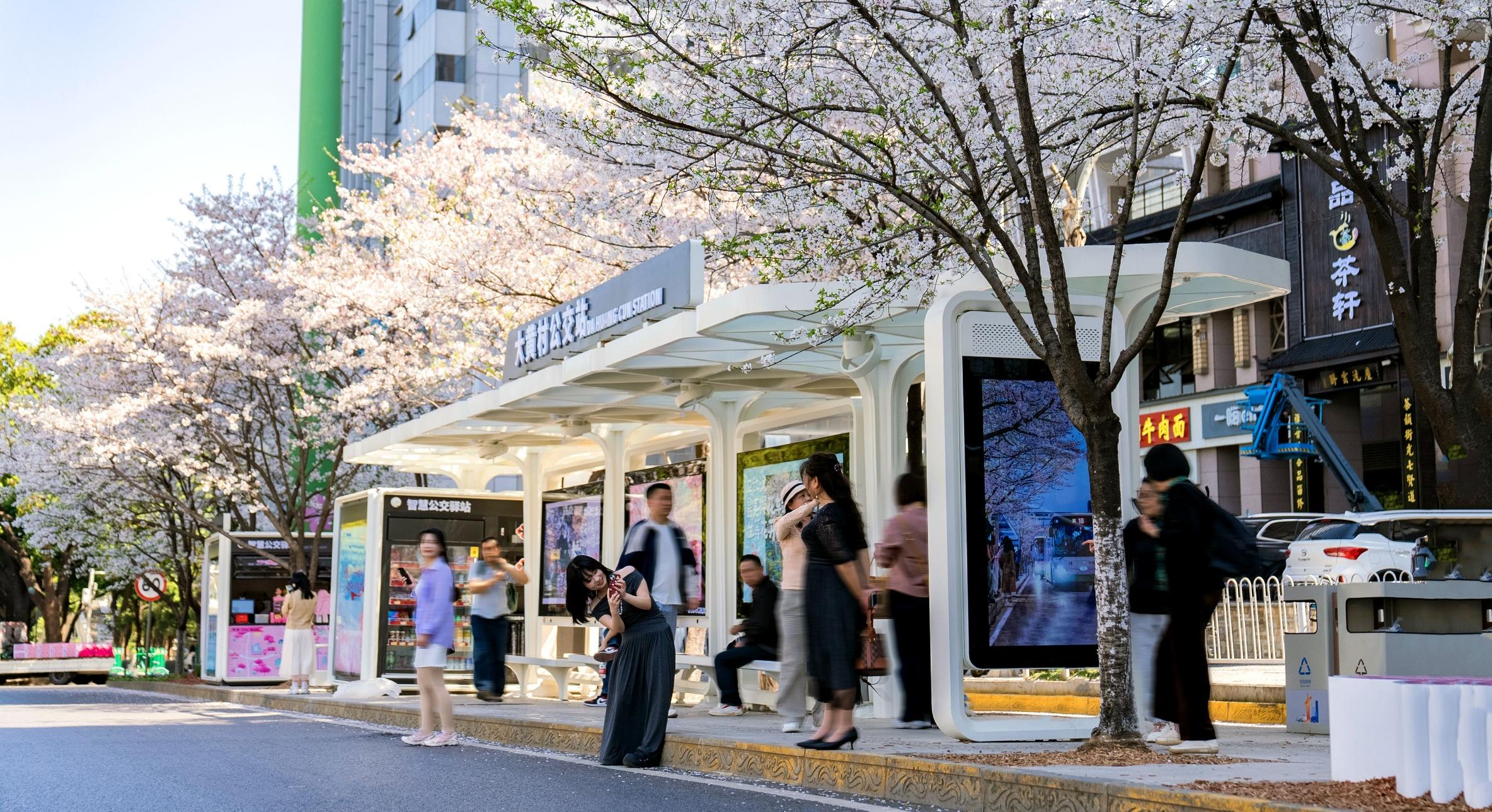
Interactive lighting systems are reshaping how we experience public spaces after dark. Instead of fixed illumination, these adaptive setups use motion sensors and real-time data to respond directly to human presence. A walkway might gently brighten as you approach, then dim after you pass, creating a personal halo of light that conserves energy while banishing shadows where risks could hide. This dynamic interplay turns passive infrastructure into an active participant in community safety.
Beyond mere visibility, interactive lighting alters the psychology of nighttime environments. In parks and underpasses, responsive glow signals that the space is alive and watched, deterring unwanted activity without the fortress-like feel of constant floodlights. Cities using these systems report not only drops in accidents and crime but also a renewed public willingness to reclaim the night — joggers, commuters, and neighbors feel invited rather than warned. The technology quietly communicates: "You are seen, you are safe."
Sustainable Materials Elevating Urban Aesthetics
In the heart of modern cities, a quiet revolution is reshaping the skyline—not with towering glass alone, but with timber, bamboo, and reclaimed stone. Architects are turning to materials that breathe, age gracefully, and tell a story of environmental stewardship. A bridge clad in recycled aluminum, a plaza paved with permeable bricks made from construction waste, or a façade woven from living moss—these choices do more than reduce carbon footprints; they inject a tactile, human warmth into the concrete jungle. The result is an urban fabric that feels less like a machine and more like an ecosystem, where every surface invites touch and contemplation.
Take the growing use of engineered wood products like cross-laminated timber in high-rise construction. Unlike steel and concrete, wood stores carbon, and its organic grain creates interiors that soothe rather than overwhelm. In cities from Portland to Copenhagen, these timber towers are not just lower in embodied energy—they redefine elegance through natural texture and patina. Similarly, recycled-content terrazzo and sintered stone countertops are turning public spaces into artful mosaics, each fragment a repurposed remnant. Even moss walls and vertical gardens, using hydroponic systems and reclaimed water, soften hard edges while cleaning the air. These materials are not just substituting the old; they are enabling new forms of beauty that are dynamic, imperfect, and alive.
What elevates a city’s aesthetic is not merely the absence of litter or the presence of iconic sculptures, but the daily experience of walking through environments that feel authentic and resilient. Sustainable materials weather with character—copper green, wood silvering, brick mellowing—marking the passage of time rather than deteriorating. They invite communities to see themselves as part of a cyclical process, where a park bench made from recycled plastic bottles or a pathway lit by solar-embedded tiles becomes a silent educator. As urban dwellers grow more discerning, the fusion of ethics and aesthetics will define the next generation of public spaces, proving that the most compelling cities are those designed to last beautifully.
Modular Planters Bringing Greenery to Concrete Jungles
Living in a city often means trading sprawling gardens for cramped balconies and stark walls, but modular planters are flipping that script. These stackable, interlocking units let you craft a vertical oasis anywhere, from a tiny apartment ledge to a drab office corner. They snap together like puzzle pieces, so you can start small with herbs and gradually expand into a lush cascade of ferns and flowers—no heavy construction or landlord headaches required.
What sets them apart is the freedom to constantly reinvent your space. Swap out tired arrangements in minutes, shift sections to catch the sun, or add new modules as your plant collection grows. This playful adaptability turns urban gardening into a living art form, where you’re not just decorating a corner but cultivating a breathing, evolving sanctuary right in the heart of the gray.
Artistic Bike Racks Doubling as Landmarks
Bike racks have quietly shed their utilitarian past. Across cities, sculptural designs are turning simple parking into an experience—racks shaped like giant coffee cups outside cafes, or oversized flowers blooming on sidewalks. These pieces invite a second glance, blurring the line between street furniture and public art. They make the mundane act of locking up a bike feel like a momentary brush with creativity.
Beyond their visual appeal, these installations become gathering points and local icons. A wave-shaped rack near the beach or a cluster of metal books in front of a library naturally draws people, adding character to the streetscape. They spark conversation, photo ops, and a sense of place that standard hoops never could. By reimagining a necessity, cities create landmarks that celebrate both cycling and imagination.
Wi-Fi-Enabled Kiosks Connecting Communities
In bustling city centers and quiet neighborhood corners, sleek digital kiosks are popping up, offering far more than just free Wi-Fi. These interactive hubs serve as modern-day town squares, where residents can check local event listings, access public transit maps, or even charge their devices. By blending connectivity with community-specific information, they become a natural gathering point, bridging the gap between digital and physical spaces.
Beyond convenience, these kiosks foster genuine human connection. A traveler can video-call family from a park bench, a student can collaborate on a project outdoors, and a small business owner can showcase promotions to passersby. The shared experience of using these public resources often sparks spontaneous conversations, turning a simple internet session into a community-building moment. Municipalities have noticed increased foot traffic and longer dwell times in areas with the kiosks, helping revitalize underused public spaces.
What sets the latest generation of kiosks apart is their adaptability. They can display real-time air quality data, serve as emergency alert beacons, or provide language translation services for diverse populations. In some cities, residents even vote on which digital services to add next, giving everyone a stake in their local tech landscape. Without the barriers of cost or subscription, these kiosks quietly strengthen the social fabric, making sure no one is left offline or out of touch.
FAQ
They go far beyond mere functionality, weaving together comfort, technology, and identity to turn public spaces into inviting hubs. A well designed bench or cleverly lit pathway can nudge people to linger, interact, and feel safer, subtly elevating the everyday rhythm of city life.
Smart benches quietly integrate charging ports, environmental sensors, and even Wi-Fi hotspots into seating. This means a passerby can rest, power their phone, and check air quality in one stop, nudging cities toward connected, user-friendly futures without adding visual clutter.
Reclaimed timber, recycled plastics, and low carbon concrete are gaining traction. Some manufacturers even employ self cleaning coatings or photocatalytic surfaces that break down pollutants, letting durability and environmental responsibility coexist in everyday objects like planters and bollards.
Perforated screens on shelters offer visibility while shielding from wind, and luminous handrails guide after dark without harsh floodlighting. Bollards with integrated emergency call buttons or subtle lighting along footpaths also help people navigate confidently after sunset.
They harvest sunlight during the day and illuminate roads at night independently of the grid, slashing electricity demand. Many now pair with motion sensors, brightening only when pedestrians or cyclists approach, so energy isn't wasted on empty streets.
Modular shapes that mimic natural contours, vivid colour blocking, and movable chairs are replacing the static bench. Designers are also adding armrests with small tables, charging pads, and organic forms that invite different sitting postures, turning a seat into a destination.
Modern racks do more than secure wheels: they incorporate repair stands with pumps, two-tier parking to maximize space, and even digital counters that show available slots. Some feature greenery integrated into the structure, blending utility with streetscape greening efforts.
Conclusion
Modern cities are undergoing a quiet transformation, driven by street furniture that blurs the line between utility and experience. Smart benches now offer solar-powered charging and real-time environmental data, turning a simple place to sit into a connected hub. Alongside them, interactive lighting systems adjust brightness based on pedestrian movement, making nighttime streets feel safer and more inviting without harsh glare. These elements aren’t just functional—they’re reshaping how people engage with public spaces, encouraging longer stays and serendipitous encounters.
The aesthetic shift is equally striking, with manufacturers embracing recycled composites and FSC-certified timber that age gracefully while reducing carbon footprints. Modular planters weave greenery into the densest urban cores, softening concrete landscapes and improving air quality. Even bike racks have become sculptural statements, doubling as landmarks that reflect local identity. Meanwhile, Wi-Fi-enabled kiosks offer wayfinding, community messages, and emergency alerts, turning sidewalks into digital commons. Together, these innovations prove that well-designed street furniture can do more than fill a space—it can knit a city together.
Contact Us
Contact Person: Leo
Email: [email protected]
Tel/WhatsApp: +86 18901905138
Website: https://www.zemsogroup.com/