

Silicon Steel Export Guide: Manufacturing Insights & Global Market Trends
2026-03-27
Welcome to our exploration of silicon steel—the unsung hero powering our modern world. As global demand surges and technological innovations reshape manufacturing, understanding this critical material becomes more vital than ever. In this guide, we delve into the intricate production processes, uncover key global market trends, and highlight the strategic insights that drive industry leaders like Jiangsu Baowu New Materials. Whether you're an engineer, a procurement specialist, or simply curious about the materials behind electric vehicles and renewable energy, this blog offers a fresh perspective on how silicon steel is shaping the future. Join us as we navigate the complexities and opportunities in this dynamic sector, and discover what sets top-tier manufacturers apart in a competitive landscape.
Understanding the Production Process of Silicon Steel
Silicon steel, also known as electrical steel, is a specialized material crucial for applications in transformers, motors, and generators due to its excellent magnetic properties. The production process begins with the selection of high-purity iron and silicon, where silicon content typically ranges from 1% to 4.5%. This alloying element reduces electrical losses by increasing electrical resistivity and minimizing eddy currents, making the steel ideal for efficient energy conversion. The initial step involves melting these raw materials in an electric arc furnace, followed by refining to remove impurities like sulfur and phosphorus, ensuring a clean base for further processing.
Once the molten alloy is refined, it undergoes continuous casting to form slabs or billets, which are then hot-rolled into thinner strips. This hot-rolling stage is critical as it aligns the steel's grain structure, enhancing its magnetic permeability. After hot-rolling, the material is cooled and often annealed in a controlled atmosphere to relieve internal stresses and further optimize magnetic performance. The annealing process can involve specific heat treatments, such as decarburization annealing, which removes carbon to improve ductility and reduce hysteresis losses, key factors in achieving low core loss for electrical applications.
The final stages include cold-rolling to achieve precise thicknesses, typically ranging from 0.23 mm to 0.65 mm, followed by coating with an insulating layer to prevent interlamination short circuits. This coating, often made of materials like magnesium oxide or phosphate, is applied through processes like tension leveling and stress relief annealing. Throughout production, quality control measures, such as magnetic testing and visual inspections, ensure each batch meets stringent industry standards, allowing silicon steel to deliver reliable performance in demanding environments.
Key Applications Driving Global Silicon Steel Demand
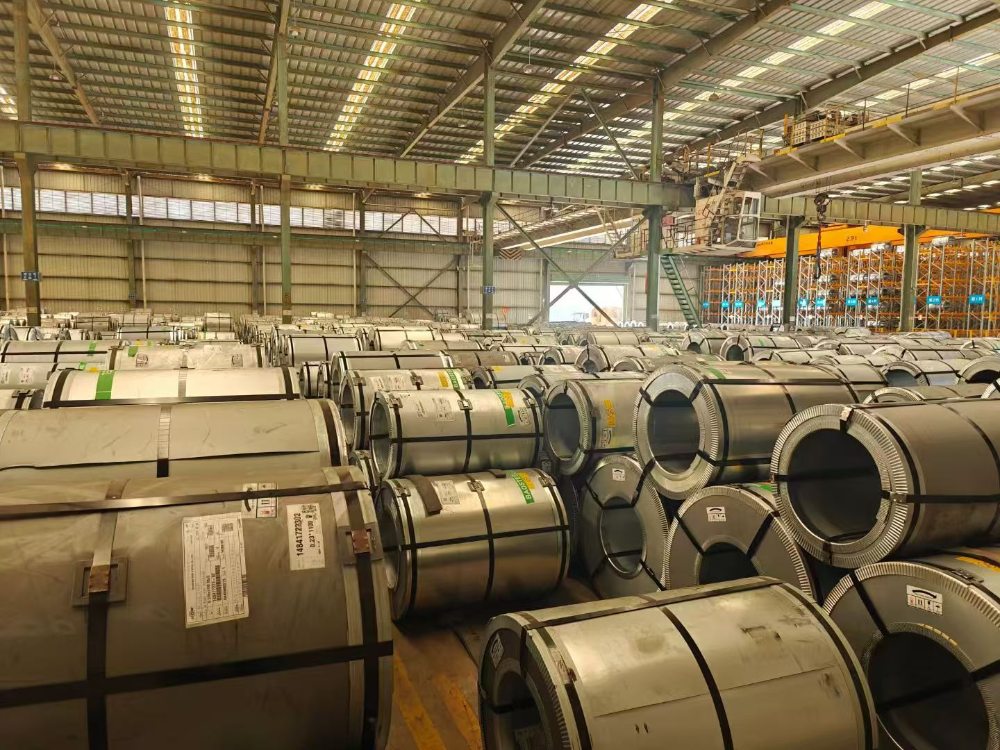
Silicon steel, often called electrical steel, plays a pivotal role in modern technology, particularly in energy-efficient power distribution and electric mobility. Its unique magnetic properties make it indispensable for transformers and motors, where reducing energy loss is crucial. As global electricity consumption rises and countries push for greener energy grids, the demand for high-grade silicon steel in these applications has surged, driving substantial market growth.
Beyond traditional uses, silicon steel is increasingly vital in renewable energy systems, such as wind turbines and solar inverters. These sectors rely on efficient magnetic cores to convert and manage power, boosting demand as investments in clean energy escalate worldwide. Additionally, advancements in electric vehicles (EVs) have created a significant uptick in consumption, as silicon steel cores are essential for EV motors and charging infrastructure, aligning with global shifts toward sustainable transportation.
Emerging technologies like data centers and smart grids also fuel demand, as silicon steel enhances efficiency in power supplies and electrical networks. This diversification into high-tech applications ensures ongoing innovation and market expansion, solidifying silicon steel's role in a connected, energy-conscious world.
Regional Market Analysis for Silicon Steel Exports
Silicon steel exports present unique challenges and opportunities across different global markets, with factors like regional industrial demand and trade policies shaping export strategies. In Asia, for instance, countries such as China and Japan are not only major producers but also key consumers, driving a competitive landscape where quality and pricing vary significantly. This complexity requires exporters to closely monitor manufacturing trends and regulatory shifts to maintain a foothold in these high-growth areas.
Meanwhile, in Europe, the emphasis on sustainability and energy efficiency has bolstered demand for high-grade silicon steel used in electric vehicles and renewable energy systems. Exporters targeting this region must navigate strict environmental standards and adapt to evolving consumer preferences, which often favor products with lower carbon footprints. Understanding these nuances can help businesses tailor their offerings and build stronger partnerships with European clients.
North America offers another distinct scenario, characterized by a robust automotive and construction sector that relies on silicon steel for transformers and motors. Here, trade agreements and tariffs play a pivotal role, influencing sourcing decisions and supply chain logistics. By analyzing these regional dynamics, exporters can develop more resilient strategies, potentially leveraging niche markets or innovating to meet specific local needs.
Innovations in Silicon Steel Manufacturing Techniques
Recent breakthroughs in silicon steel production have shifted focus from traditional methods to more refined techniques, such as the precise control of silicon content during alloying processes. This adjustment enhances magnetic properties like permeability and reduces core losses, making the material exceptionally efficient for electrical applications. For instance, advanced rolling mills now employ specialized heat treatments that fine-tune grain orientation, resulting in steel sheets with lower hysteresis losses compared to older models. These innovations not only improve energy efficiency in transformers and motors but also contribute to sustainability efforts by reducing overall power consumption in industrial settings.
Another key development involves the adoption of continuous casting technologies, which streamline production by forming silicon steel directly from molten metal into thin slabs. This method minimizes impurities and ensures uniform microstructure throughout the material, leading to superior performance in high-frequency applications. By integrating real-time monitoring systems, manufacturers can now detect and correct defects early in the process, boosting yield rates and cutting down on waste. Such advancements are particularly beneficial for industries requiring lightweight, durable components, as they enable tailored solutions that were previously unattainable with conventional manufacturing approaches.
Looking ahead, emerging trends like additive manufacturing and nanotechnology are poised to revolutionize silicon steel fabrication further. Researchers are currently exploring 3D printing techniques to create complex geometric shapes with optimized magnetic pathways, potentially lowering manufacturing costs and expanding design possibilities. Additionally, nanoparticles are being incorporated to enhance thermal stability and mechanical strength, paving the way for next-generation materials in electric vehicles and renewable energy systems. These cutting-edge efforts highlight a dynamic landscape where innovation continuously drives improvements in both performance and economic viability.
Navigating Trade Policies and Export Regulations
Getting a handle on trade policies and export regulations can feel like charting a course through uncharted waters. It's not just about filling out paperwork; it's about understanding the nuances of international agreements, tariffs, and compliance standards that vary from country to country. Many businesses stumble here, overwhelmed by the sheer volume of rules, but those who invest time in learning the landscape often find smoother sailing ahead, avoiding costly delays or penalties that can derail their expansion plans.
What sets savvy exporters apart is their proactive approach—they don't wait for issues to arise. Instead, they build relationships with customs brokers and legal experts, stay updated on policy shifts through reliable sources like government portals or industry newsletters, and even use digital tools to automate parts of the compliance process. This forward-thinking mindset transforms regulations from obstacles into strategic advantages, enabling companies to adapt quickly to changes like new sanctions or trade deals, and seize opportunities in emerging markets with confidence.
Ultimately, navigating these complexities is a continuous journey, not a one-time task. It requires a blend of attention to detail and big-picture thinking, whether you're a small business testing international waters or a large corporation managing global supply chains. By weaving compliance into your core operations and fostering a culture of awareness, you can turn regulatory hurdles into stepping stones for growth, ensuring your exports reach their destinations efficiently and legally.
Future Trends Shaping the Silicon Steel Industry
The silicon steel industry is undergoing a transformative shift driven by electrification and sustainability imperatives. As electric vehicles surge in popularity and renewable energy infrastructure expands globally, demand for higher-efficiency electrical steels is skyrocketing. Manufacturers are now racing to develop grades with lower core losses and improved magnetic properties, particularly for high-frequency applications in EV motors and next-generation transformers.
Material innovation is becoming increasingly sophisticated, with nano-domain engineering and advanced coating technologies enabling thinner gauges without sacrificing performance. This technical evolution allows for more compact, energy-dense designs that reduce overall system costs while meeting stricter energy efficiency regulations. Simultaneously, digitalization is revolutionizing production processes through AI-powered quality control and predictive maintenance systems, dramatically reducing waste and improving yield rates in what was traditionally a capital-intensive sector.
Geopolitical factors are creating both challenges and opportunities, as supply chain diversification becomes critical. Strategic investments in regional production facilities are accelerating, with particular focus on establishing secure material flows for automotive and energy sectors. This localization trend is coinciding with intensified sustainability efforts, where manufacturers are implementing closed-loop recycling systems and exploring low-carbon production methods to address growing environmental scrutiny throughout the value chain.
FAQ
Silicon steel, also known as electrical steel, is an iron alloy containing silicon that enhances magnetic properties. It's crucial in manufacturing because it's the primary material used in electrical devices like transformers and motors, reducing energy loss and improving efficiency, which is vital for power grids and industrial applications worldwide.
The manufacturing of silicon steel involves specialized processes like cold rolling and annealing to develop a grain-oriented or non-oriented structure. Unlike standard steel, it requires precise silicon content (typically 1-4.5%) and heat treatments to optimize magnetic permeability and core loss, making production more complex and tailored for electrical applications.
Key trends include increasing demand for energy-efficient electrical products, growth in renewable energy sectors (e.g., wind and solar power), and technological advancements in steel production. Geopolitical factors and trade policies also influence export flows, with regions like Asia-Pacific leading in production and consumption.
Top exporters include China, Japan, and South Korea, driven by advanced manufacturing capabilities and large-scale production. Major importers include the United States and European nations, due to high demand in automotive and electrical industries. Trade dynamics are often shaped by cost competitiveness and supply chain integration.
Challenges include fluctuating raw material costs, stringent international quality standards, and tariffs or trade barriers. Manufacturers can overcome these by investing in R&D for higher-grade products, diversifying markets, and adhering to global certifications to ensure compliance and build trust with buyers.
Higher-quality silicon steel with low core loss and high permeability enhances performance in electric vehicle motors and power transformers, leading to greater energy efficiency and durability. Poor quality can result in inefficiencies, overheating, and increased operational costs, so precise grading is essential for specific industrial uses.
Conclusion
Silicon steel, also known as electrical steel, serves as a crucial material in modern industry, particularly for its magnetic properties essential in electrical applications. Understanding the production process reveals that it involves specific alloying with silicon, careful rolling, and heat treatments to optimize grain orientation and reduce core losses, which are fundamental for efficiency. Innovations in manufacturing techniques, such as advanced coating technologies and precision annealing, continue to enhance performance and sustainability, driving cost-effectiveness and environmental compliance. Key applications, including transformers, motors, and generators, are propelling global demand, especially with the rise of renewable energy and electric vehicles, making it a vital component in energy infrastructure worldwide.
A regional market analysis highlights varying export dynamics, with countries like China, Japan, and Germany leading in production and trade, influenced by local industrial strengths and supply chains. Navigating trade policies and export regulations requires awareness of tariffs, quality standards, and environmental directives, which can impact competitiveness and market access. Looking ahead, future trends shaping the silicon steel industry point toward increased automation in production, a focus on lightweight and high-efficiency grades, and shifting geopolitical factors that may alter trade flows. Overall, this guide underscores that success in silicon steel exports hinges on mastering manufacturing insights, adapting to regional demands, and staying agile amid evolving global trends, ensuring resilience in a competitive marketplace.
Contact Us
Contact Person: Zoe Liang
Email: [email protected]
Tel/WhatsApp: 86 189 2128 6299
Website: https://www.baowuchina.com