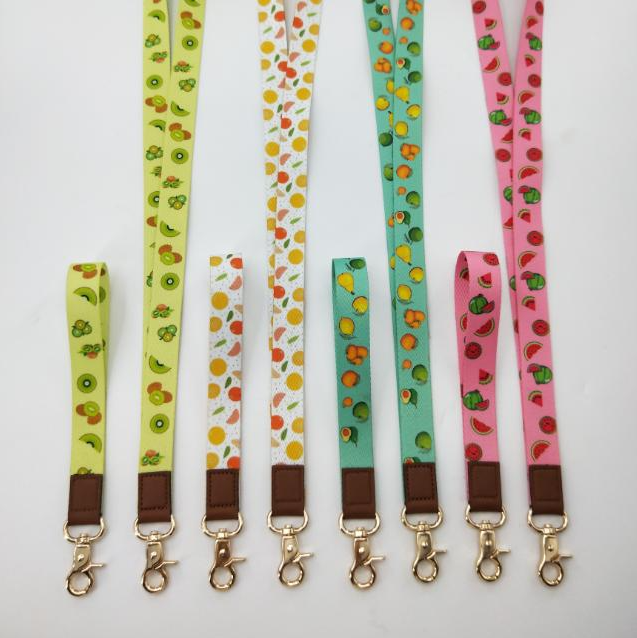

Shoe Laces Factory Crafting Premium Quality for Every Step
2026-10-23
Every pair of shoes tells a story, but the laces are the quiet workhorses holding it all together. At DONGCHUANG, we don't just manufacture shoelaces—we obsess over every fiber, weave, and tip so each step feels as good as it looks. But what actually goes into crafting laces that outlast trends and terrain? Before we dive into the details, here's a peek inside our factory floor, where premium quality isn't a slogan—it's the only way we know how to work.
The Raw Stock We Reject Before It Reaches the Loom
Every bale that arrives at our mill gets opened, spread, and inspected by hand before a single thread is spun. We do not rely on a supplier's word or a lab certificate alone. Our spinners pull samples from the middle of each bale, not just the top layer, and feel for the subtle differences that machines often miss — a brittle snap in the fiber, an oily residue from poor carding, or the faint mustiness of stock that sat too long in a humid warehouse. If the raw stock does not feel clean and springy under the fingertips, it goes straight back onto the truck. No exceptions for a discounted price or a rushed production schedule.
What exactly gets rejected? Short-staple cotton that would pill after three washes, wool with too much vegetable matter tangled into the locks, linen that has been over-retted and turned weak at the core, and any blend where the dye lot shows uneven absorption before carding even begins. We have turned away entire shipments because a single bale in the center showed signs of mildew, knowing that one compromised bale can contaminate a whole batch. Some mills would blend that questionable fiber with good stock to cut costs. We would rather run a loom at half capacity for a week than weave that hidden defect into fabric that someone will wear against their skin for years.
This rejection process is not about being difficult. It is about protecting the loom, the weaver, and the person who eventually pulls the finished textile over their shoulders. Every knot, every weak spot, every irregular slub that we refuse to accept means fewer breaks during warping, fewer seconds in the final inspection, and a cloth that holds its shape wash after wash. The raw stock we reject never makes it to the loom — but the raw stock we accept has already proven it belongs there.
A Weave Pattern Designed for Grip, Not Just Looks
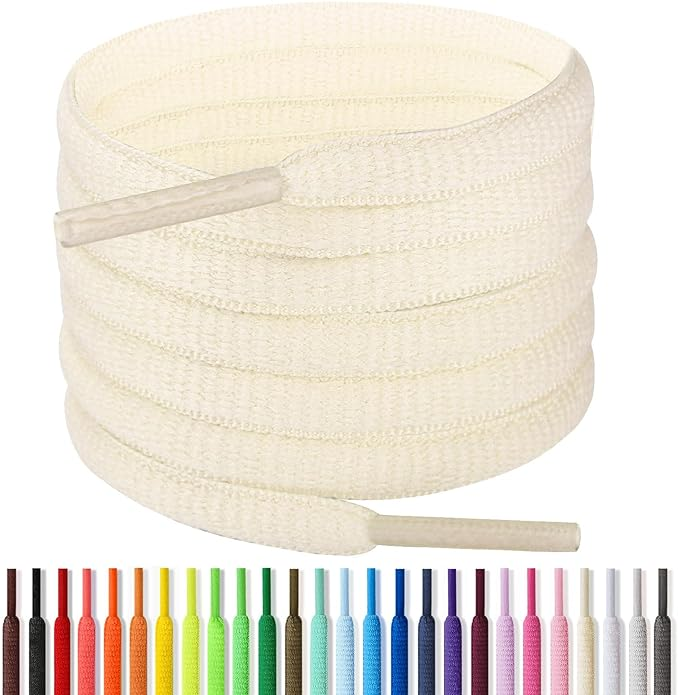
The surface texture on this handle isn't a decorative afterthought. Each raised ridge follows a diagonal path that breaks up the usual smooth cylinder, giving your palm something to push against without digging in. The angle of the weave shifts slightly across the contact zone, so fingers land on alternating high and low points no matter how you rotate your grip. It's subtle enough to go unnoticed at a glance, but your hand registers the difference immediately.
What makes this pattern work isn't just the bumps themselves, but the spacing between them. Too tight and sweat gets trapped, leaving a slick film. Too wide and the skin glides over without catching. The spacing here was tuned through repeated testing with wet and dry hands, finding that narrow sweet spot where moisture channels away while the ridges still bite. That balance matters more than the visual symmetry, which is why the weave looks slightly irregular up close.
Most textured grips solve a single problem: traction in one direction. This weave handles rotational force too, because the diagonal strands cross at an angle that resists both twisting and pulling straight back. Try shifting your hand mid-lift and you'll feel the pattern working like tiny cleats against the natural creases of your palm. It's a quiet upgrade that stays out of the way until you actually need it.
Our Dye Lab Runs Colorfastness Tests Most Brands Skip
Most dyehouses stop at a single wash test and call it a day. Ours doesn’t. We run the full gauntlet: crocking, perspiration, seawater, chlorinated water, and extended light exposure—because real garments face all of these, not just a gentle cycle.
The tests we run that others skip aren’t cheap or quick. A single fabric can sit under our xenon lamps for days to check fading, then get rubbed wet and dry to see if dye transfers. If it fails, we don’t ship it. That’s why our reds stay red and our blacks don’t turn gray after a summer.
You won’t see this on a hangtag. But you’ll notice it when your t-shirt still looks new after two seasons, while the one from a fast-fashion brand has faded to something you don’t recognize.
The Pull Test That Mimics a Staircase Full of Tugs
Imagine dragging a heavy suitcase up a steep flight of stairs, except the suitcase is alive and fighting back in unpredictable bursts. That's the essence of this test. The equipment uses a series of short, sharp resistance spikes that mimic a staircase: you think you've moved past one tug, only to hit another right away. It's not about constant force but about the jarring, stop-start nature of real-world pulling tasks—like hauling a reluctant dog on a leash or freeing a stuck cart wheel.
Most standard pull tests apply one steady load and record when you fail. This one throws a curveball by stacking multiple resistance events vertically, forcing your body to repeatedly re-engage muscles that have already begun to relax. The result is a measure of not just raw pulling strength, but of how quickly you can recover between unexpected tugs and maintain grip under intermittent strain. It feels less like a gym exercise and more like wrestling with a stubborn piece of furniture up a narrow staircase.
The staircase metaphor extends to the test's progression: each 'step' adds a slightly larger tug, so early success can lull you into overconfidence before the late-stage tugs hit. Practitioners often note that the hardest part isn't the peak force but the mental fatigue from anticipating the next jolt. That's why this test is favored for occupational readiness—jobs that involve pulling heavy, awkward loads rarely involve a single smooth motion. They involve a staircase full of tugs, and now there's a way to measure exactly how well you handle them.
Custom Lengths and Tips for Makers Who Hate Compromise
For anyone who has ever stared at a shelf full of “standard” lengths and felt a quiet rage building, custom sizing isn't a luxury—it's the only way to keep your project from looking like a half-finished afterthought. Whether you're trimming cables, cutting stock, or shaping tips for a specialized tool, the off-the-rack option almost always demands a compromise you never agreed to. The real trick is to stop treating custom lengths as an exception and start treating them as the default for anything you actually care about.
Start by measuring from the point of actual contact, not from the nearest convenient mark. Then add a little extra—not because you're sloppy, but because materials shift, blades wander, and that final half-inch is where the fit either locks in or rattles loose. For tips, don't just copy a profile you saw online; trace the mating surface directly onto your workpiece, then cut shy of the line and creep up on it with a file or sanding stick. It takes longer, but you'll never have to hide a gap with filler again.
The makers who hate compromise aren't the ones with the most expensive tools—they're the ones who refuse to let a stock dimension dictate how their work feels in the hand. Accept that you'll waste a bit of material while dialing in the exact length, and that's fine. What you gain is a finished piece that fits the way you intended, not the way a factory guessed you'd want. Once you build that habit, every “standard” size starts to look like a suggestion instead of a rule.
From Our Hands to Your Eyelets Without a Middleman Markup
Every eyelet in our catalog begins as a coil of raw brass or nickel silver on the workshop floor, not as a purchase order from a distant factory. We cut, shape, and finish each batch ourselves, checking the barrel edge with a fingertip before it ever goes into a box. That direct route from our hands to your workbench is what keeps the price honest.
There is no distributor adding a percentage, no retail shelf taking its cut, and no warehouse sitting on inventory for months. When an order comes in, it gets packed from the same shelf we stocked that week. If we find a burr or a slightly off-center hole, we pull it right then instead of letting it ship and hoping you won't notice.
Because we handle the full process, small adjustments are possible without a chain of approvals. Need eyelets in a heavier gauge or a non-standard barrel length? We can often make that change in a day or two, not a season. That flexibility, and the savings from skipping the middle layer, is why many of our long-term customers order direct and reorder without asking for quotes.
FAQ
We start with denser weaving on older looms, then coat fibers individually before twisting. That adds grip and keeps the tips from fraying months longer than typical pairs.
Yes, we keep minimums low for startups. You can send a physical swatch or Pantone code, and our dye room will match it. Repeated small batches stay consistent because we document every formula.
Cotton, waxed cotton, polyester, nylon, and some recycled blends. The choice depends on the shoe type: work boots need more abrasion resistance, dress shoes need a softer hand.
Each batch undergoes a pull test on random samples, and we check the aglet bond under heat and cold cycling. Anything below our break-strength threshold gets rejected before packing.
We have a line made from post-consumer recycled polyester and organic cotton. Packaging uses uncoated cardboard and paper bands. It’s not the cheapest route, but it holds up.
For stock colors, about two to three weeks. Custom dyeing or special tips add seven to ten days. We’d rather give a realistic date upfront than promise faster and delay your production.
Often, yes. Send clear photos with a ruler for width and length, and we’ll reconstruct the weave pattern and tip style. It may take a couple of samples, but we’ve matched many obscure designs.
We also make laces for orthopedic braces, sports equipment bags, work uniforms, and promotional kits. The same quality checks apply, just with different length specs.
Conclusion
You cannot build a lace worth the name if the first thing you do is accept whatever raw spool shows up. At our factory, incoming stock gets pulled, rubbed, and inspected before it ever sees a loom. The weave that survives is not decorative—its diagonal bite comes from a pattern laid down to keep knots from creeping and feet from shifting. Then the dye lab goes further than most: every batch runs through wash-and-sun colorfastness rounds that cheaper brands skip because it costs them too many hours. What reaches your shoes has already been forced through the worst of it.
We also yank each run with a pull test built around a staircase full of tugs, not a single clean snap. That way a lace that holds on day one still holds six months later. For small makers tired of settling, we cut to odd lengths and dip tips in custom shapes without a setup fee. And when the finished pair leaves our hands and lands in your eyelets, there is no distributor taking a cut in between. That is Shoe Laces Factory Crafting Premium Quality for Every Step—raw rejection to final pull.
Contact Us
Contact Person: Bill Huang
Email: [email protected]
Tel/WhatsApp: 8613829102720
Website: https://www.dclanyard.com