

Sand and Gravel Washer from China: A Complete Guide to Efficient Washing Solutions
2026-08-09
When it comes to maximizing productivity in aggregate processing, the right sand and gravel washer can make all the difference. From tackling stubborn clay to ensuring consistent output, these machines are the unsung heroes of any quarry or concrete plant. In this guide, we’ll explore how modern washing solutions—especially those from Sinou—are redefining efficiency and reliability in China’s manufacturing landscape. Get ready to discover what sets premium equipment apart and why your next upgrade might just come from an industry leader you haven’t considered yet.
Unpacking the Technology Behind Sand and Gravel Washers
Modern sand and gravel washers blend mechanical simplicity with clever fluid dynamics. At their core, they rely on rotating or vibrating mechanisms to agitate the raw material, dislodging clay, silt, and other impurities from the aggregate surfaces. Water is introduced in a controlled manner, creating a turbulent suspension where heavier particles settle faster while lighter contaminants rise and are carried away. The design of the trough or drum, along with carefully angled lifters or paddles, ensures that the material moves forward gradually, giving enough residence time for thorough cleaning without excessive wear. Some units incorporate a twin-shaft configuration that boosts scrubbing intensity, making them ideal for heavily coated materials.
The classification stage is where precision really comes into play. Fine sand and coarse gravel are separated through a combination of screening and hydraulic drag. Inside the washer, a pool of water creates a density-dependent sorting effect—like a miniature river delta. Oversize materials escape over a weir or through a screen, while the finer fraction is dewatered using a high-frequency vibrating screen or a rotating bucket wheel. The bucket wheel design, in particular, is a workhorse: as it rotates, perforated buckets scoop up the sand, lift it out of the water, and drain it before discharging it onto a stockpile. This method significantly reduces moisture content, making the final product ready for immediate use or further processing.
Behind the robust hardware lies a layer of adaptive control technology. Sensors monitor variables such as water level, slurry density, and power draw, allowing operators to fine-tune the process in real time. Variable-speed drives on the agitation shaft or bucket wheel let the machine adjust to changes in feed material—if the inflow becomes stickier or contains more clay, the rotation can slow down to extend washing duration. Some plants integrate recycled water systems with flocculant dosing to clarify and reuse process water, minimizing waste. This integration of mechanical engineering with smart controls doesn’t just improve cleanliness; it cuts operating costs and extends equipment life, proving that even a humble sand washer is a sophisticated piece of engineering.
Why Chinese Manufacturers Dominate the Washing Equipment Market
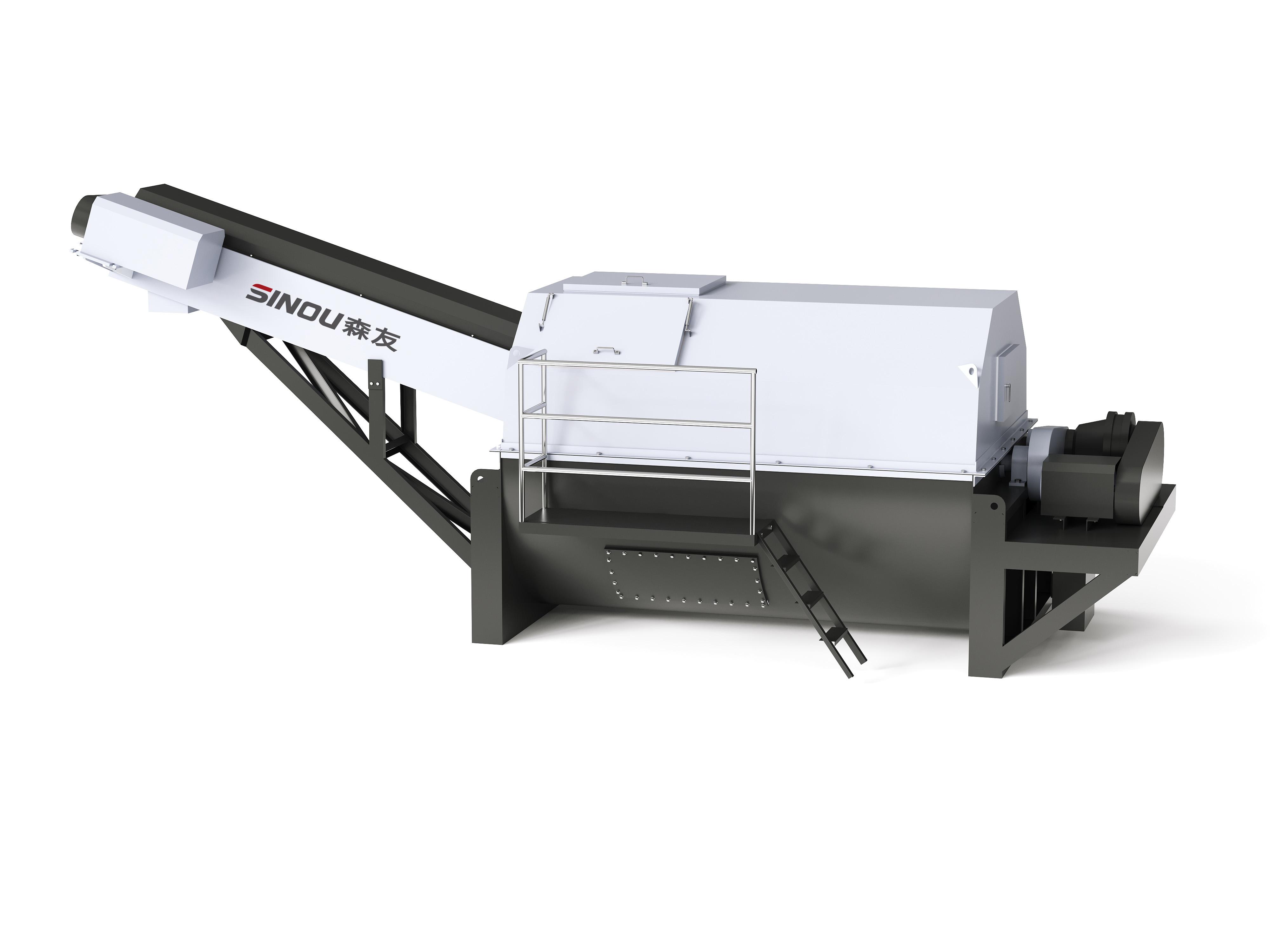
Chinese manufacturers have carved out a commanding lead in the global washing equipment sector, and it’s not just due to lower labor costs. The real edge lies in an integrated supply chain that’s nearly impossible to replicate elsewhere. From advanced motor production to precision molding for drums and casings, entire industrial clusters operate within tight geographic proximity. This slashes lead times and allows for rapid iteration—when a design tweak is needed, suppliers can respond in days, not weeks. The ecosystem supports everything from budget-friendly home units to heavy-duty industrial machinery, all built with components that seamlessly interchange. That kind of flexibility and speed makes Chinese factories the go-to partners for brands worldwide, especially those chasing quick turnarounds for new product lines.
Another often overlooked factor is the relentless investment in process innovation. While many Western companies still view appliance assembly as a high-touch craft, Chinese plants have perfected automation in ways that maintain quality without the premium price. They’ve engineered modular production lines that can switch between models with minimal downtime, effectively blending volume efficiency with mass customization. This isn't about just copying designs; it's about refining manufacturing methods to a point where defects become statistical anomalies. The result is machinery that meets rigorous international standards—CE, UL, Energy Star—at price points that competitors struggle to match. For buyers, this translates into reliable equipment that doesn’t force trade-offs between durability and affordability.
The final piece is a deep-rooted understanding of market diversification. Chinese manufacturers don’t chase a single global standard; they tailor products for distinct regional demands. Need a high-spin washer that conserves water for arid Middle Eastern markets? They’ve engineered it. A cold-water detergent-saving model for eco-conscious European users? Already in production. This isn't guesswork—it's driven by direct partnerships with local distributors and real-time feedback loops that inform feature adjustments on the fly. By not anchoring themselves to a one-size-fits-all strategy, they’ve captured niches that larger, less agile competitors ignore. That ability to serve both broad and narrow segments with equal competence is what keeps them firmly at the top of the washing equipment supply chain.
Types of Washers: Choosing the Right Model for Your Project
Washers might seem like simple spacers, but they play a critical role in distributing loads, preventing leaks, and reducing vibration. Flat washers are the most common type, designed to spread the force of a bolt or nut over a larger surface area. This helps protect soft materials from damage and can compensate for slight irregularities in mating surfaces. For projects where loosening from vibration is a concern, a lock washer—such as a split ring or toothed style—adds friction that resists rotation.
Spring washers, including curved and wave types, are used when you need to maintain tension, absorb shock, or compensate for thermal expansion. They’re often found in assemblies where parts may shift over time. If you’re working with electrical components or need a lightweight option, non-metallic washers made from nylon or fiber offer insulation and corrosion resistance. The key is to match the washer not just to the bolt size, but to the demands of the environment—temperature, moisture, and load type all influence the best choice.
When selecting a washer, think beyond the basic specs. A stainless steel flat washer might work for outdoor furniture, but a high-pressure plumbing connection calls for a bonded sealing washer. For machinery that endures constant movement, a Belleville washer can maintain clamp force even as parts settle. Manual inspection of the joint after assembly often reveals whether the washer is doing its job—look for even compression and no signs of galling. Testing a few models on a scrap piece of material can save you from field failures later.
How to Maximize Cleaning Efficiency with Simple Adjustments
A lot of cleaning time gets wasted on backtracking or redoing spots you’ve already covered. Instead of randomly spraying and wiping, move through the room in a deliberate flow — start dry, finish wet. For example, dust surfaces, mirrors, and electronics first, then vacuum or sweep floors before any mopping. This order prevents debris from falling onto freshly cleaned areas. Also, keep your tools within arm’s reach: wear an apron with pockets for microfiber cloths and small brushes, or carry a caddy from room to room. It sounds trivial, but not stopping to hunt for supplies can shave ten to fifteen minutes off your routine.
Most people overuse detergent, thinking more foam equals deeper clean. In reality, excess product leaves residue that traps dirt faster. Measure according to the label, and if the water still feels slippery after rinsing, you’ve used too much. Another switch: swap paper towels for quality microfiber cloths on glass and stainless steel. They grab dust without scratching and can be rinsed out dozens of times. For stubborn bathroom grime, apply cleaner and let it dwell for five minutes before scrubbing. That dwell time does the heavy lifting, so you’re not fighting the buildup with elbow grease alone.
Mundane habit tweaks have an outsized impact. Put on upbeat music — your pace naturally matches the tempo. Squeegee the shower walls while conditioner sits in your hair; it’s thirty seconds now versus a deep scrub later. If you regularly deal with pet hair, run a rubber glove over upholstery before vacuuming — the static clumps everything together. And at the end of a session, toss your cleaning cloths straight into a laundry bin and reset your tools in the same spot each time. When you start the next round, you’re not wasting mental energy on prep, and the less resistance you feel, the more likely you’ll just get it done.
Maintenance Secrets for Long-Lasting Performance
Regular upkeep might seem like a chore, but it's the quiet engine behind machines and devices that run smoothly for years. Think of it as a daily ritual—like checking the oil in your car or clearing the vents on your laptop. These small, consistent habits prevent the slow buildup of wear and tear that leads to sudden failures. It’s rarely about fixing something after it breaks; instead, it’s the quiet attention that keeps performance reliable without fanfare.
The secret often lies in the details most people overlook. A tight screw, a clean filter, or a properly aligned belt can make the difference between a machine that struggles and one that hums along effortlessly. Builders and engineers design things to last, but they depend on users to honour that design through care. When you wipe down a lawnmower deck after mowing wet grass or avoid overloading a washing machine drum, you’re extending life in ways no repair shop ever could.
What really separates enduring performance from mediocre lifespan is a mindset shift. Instead of waiting for warning lights or strange noises, you start to listen and feel for subtle changes—a slightly rougher idle, a faint squeak, a bit more heat than usual. That awareness allows you to intervene early, often with nothing more than a quick adjustment or a dab of lubricant. It’s not about expensive tools or professional expertise; it’s about respecting the item enough to give it what it needs when it needs it, not when it’s too late.
Real-World Applications: From Construction to Mining
The versatility of heavy machinery shines in construction, where excavators and bulldozers shape the land for skyscrapers and highways. Every day, these machines grade soil, lift steel beams, and dig foundations with a precision that seems almost intuitive, guided by operators who’ve mastered the art of reading terrain. It’s not just about brute force—modern equipment integrates GPS and real-time data to minimize waste and avoid underground utilities, turning raw ground into a canvas for urban development.
Shift the scene to a mine, and the same principles scale up dramatically. Here, haul trucks with tires taller than a person crawl along steep benches, carrying payloads that would crush ordinary vehicles. Drills blast through rock with a rhythm refined over decades, while autonomous loaders navigate tunnels using LiDAR sensors that paint invisible maps in the dark. The challenges change—dust, vibration, and isolation demand rugged engineering—but the core mission remains: move material efficiently, safely, and with an eye on environmental impact that regulations now demand.
What ties these worlds together is a quiet evolution toward smarter systems. In construction, telematics track fuel burn and idle time, trimming costs without sacrificing deadlines. In mining, predictive maintenance algorithms listen to subtle vibrations in gearboxes, flagging wear before a breakdown halts production. Both sectors are learning to do more with less, blending human expertise with machine learning to turn raw data into actionable insight—a partnership that’s reshaping how we build the future from the ground up.
FAQ
Chinese manufacturers combine advanced engineering with cost-effective production, resulting in machines that offer reliable performance, customizable designs, and competitive pricing. Many also integrate wear-resistant materials and energy-saving features tailored for diverse mining and construction needs.
Wheel washers are typically more compact and use less water, making them suitable for finer materials and mobile setups. Spiral washers handle larger volumes and stubborn impurities with their scrubbing action, but they consume more power and space. The choice depends on material characteristics and throughput requirements.
You need to evaluate the feed size, desired output gradation, water availability, and space constraints. Also check the machine's capacity, wear components, motor efficiency, and whether it can handle sticky clay or organic matter if present in your raw material.
Inspect and replace worn paddles, buckets, or spiral blades before they cause imbalance. Keep an eye on bearing lubrication, ensure water distribution nozzles aren't clogged, and schedule routine checks on motors and gearboxes. Managing sediment build-up in the tank also prevents efficiency drops.
Yes, many are integrating smart control systems that adjust water flow and speed based on feed conditions, as well as hydrocyclone-based fines recovery to minimize waste. Some also offer modular designs for easy transport and quick installation without heavy foundations.
Water recycling systems capture and treat wash water, allowing it to be reused multiple times. This cuts freshwater consumption drastically, lowers discharge fees, and helps comply with environmental regulations. Over time, the savings on water and disposal offset the initial investment in the recycling unit.
Don't choose purely on price—verify the manufacturer's export experience, after-sales support, and parts availability. Ensure all specifications match your power supply and local standards. Also clarify whether installation guidance is included, as improper setup can reduce efficiency and void warranties.
While some combined machines exist, it's usually more efficient to use dedicated units: a log washer or trommel for gravel, and a sand screw or bucket wheel for sand. This prevents cross-contamination, allows tailored settings for each material, and often yields higher-quality output for both fractions.
Conclusion
At the heart of an effective sand and gravel washer is a blend of water dynamics, mechanical scrubbing, and precise classification that strips away impurities like clay and silt. Chinese manufacturers have refined this process through decades of practical innovation, producing equipment that balances robust construction with sharp cost efficiency. Their global edge comes from a deep understanding of diverse raw materials and a willingness to customize designs—whether adjusting drum speeds or modifying screen meshes—to match specific feed conditions. This results in washers that consistently turn contaminated aggregates into high-quality products while keeping operational overheads low, a combination that has made them indispensable across jobsites worldwide.
Selecting the right equipment from the range of wheel, screw, or log washers is only the first step; real gains come from fine-tuning daily operations. Simple tweaks such as altering water flow rates, optimizing retention time, or repositioning spray bars can sharpen separation accuracy without heavy investment. Equally vital is a disciplined maintenance routine: regularly inspecting wear liners, flushing bearings, and clearing nozzles prevents the gradual efficiency loss that silent wear brings. From foundation concrete production to mineral recovery in remote mines, these machines prove that reliable washing is less about complexity and more about smart, consistent application—turning harsh raw material into predictable revenue streams.
Contact Us
Contact Person: HaiYan
Email: [email protected]
Tel/WhatsApp: +86 18957325588
Website: https://www.senyoubeton.com/