

Reliable Wastewater Treatment Blowers Keep Your Plant Running Smoothly
2026-08-30
Wastewater treatment plants don't get to call it a day. When aeration blowers falter, every downstream process feels the strain. That's where reliable air delivery stops being a specification and starts being the backbone of your operation. At Seize Air, we build blowers that hold steady through the harshest conditions, so your plant can keep running smoothly without the constant hum of worry. Here’s what to look for—and why reliability matters more than ever.
When Blowers Falter, Everything Else Follows
In systems that rely on forced air or gas movement, the blower often operates as the quiet backbone—until it doesn't. A slight drop in discharge pressure, a new vibration, or an unexplained rise in motor current rarely stays isolated. What begins as a marginal loss of airflow quickly cascades: burners run rich, drying times stretch, pneumatic conveying lines plug, and downstream sensors chase a moving target. Operators may spend hours adjusting dampers or recalibrating controllers, unaware that the root cause is a blower that has already drifted from its design curve.
The ripple effect is most visible in continuous processes. In wastewater aeration, for example, a faltering blower reduces dissolved oxygen levels long before an alarm triggers. Aerobic bacteria become stressed, sludge settling worsens, and effluent quality slips—all while the control system adds more energy to compensate, pushing the impaired machine harder. In powder handling, insufficient air velocity lets product settle in ducts, creating blockages that shut down entire lines. Each downstream failure looks unrelated on the surface, yet traces back to the same origin: a blower no longer delivering what the process assumes it will.
What makes this failure mode dangerous is its slow onset. Blowers rarely stop abruptly without warning; they degrade in small increments—bearing wear, impeller erosion, filter clogging, belt slip. Each incremental loss is absorbed by system buffers until one day the cumulative deficit exceeds tolerance. By then, other equipment has been running off-design for weeks. The practical takeaway isn't more sensors or better alarms, but a shift in thinking: treat blower performance as a primary variable, not a background condition. A ten-minute weekly check of pressure, current draw, and vibration can reveal a faltering blower before it drags the rest of the line down with it.
Oversizing Your Blowers Is Costing You More Than You Think
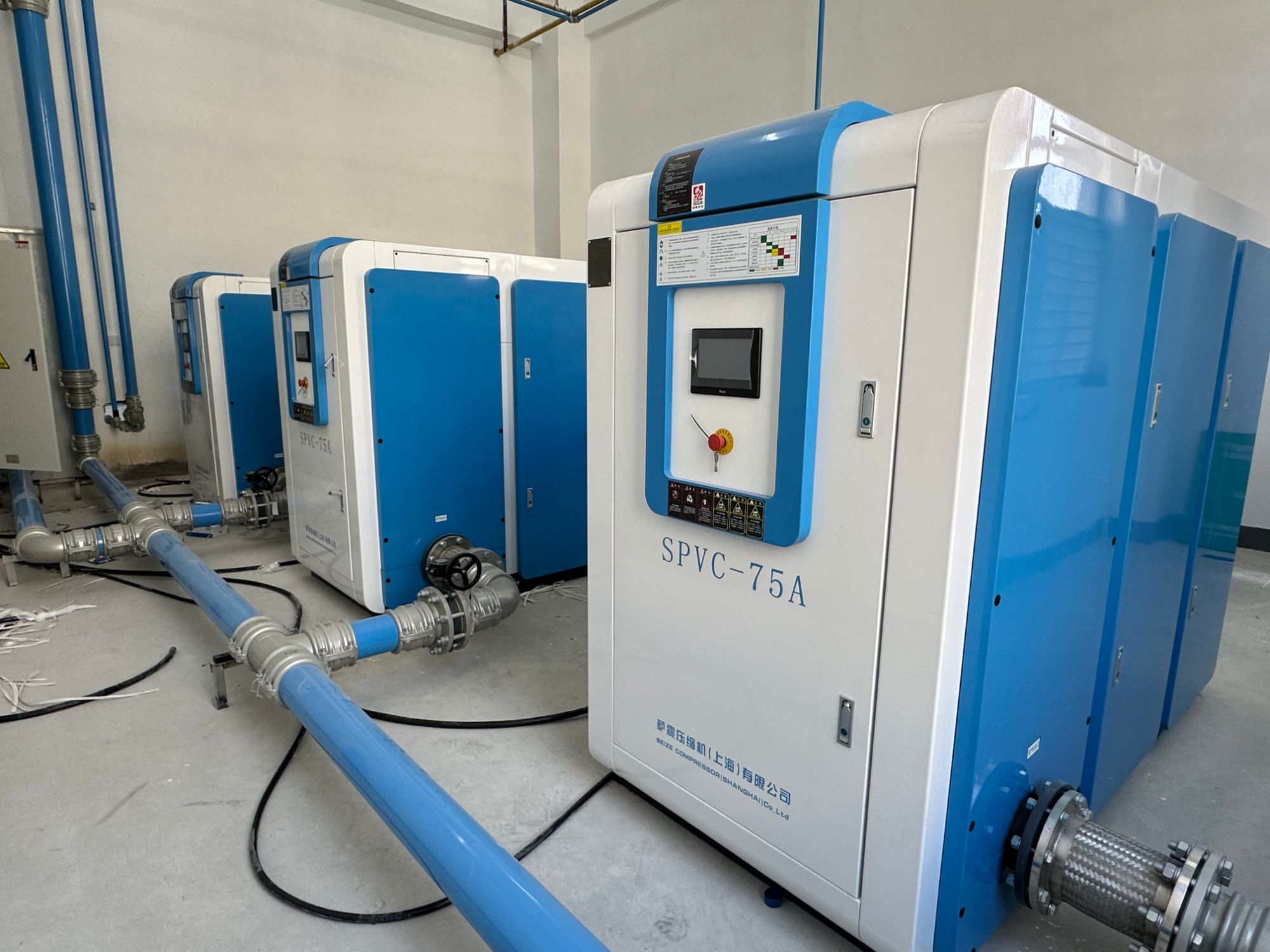
Most facilities treat blower capacity like a safety margin—bigger means fewer worries. But an oversized blower rarely runs near its best efficiency point. It cycles more often, wastes energy during partial loads, and forces you to buy more horsepower than the process ever uses.
The hidden costs show up in ways that don't make the purchase order. Oversized units can cause pressure fluctuations, shorten motor life through frequent starts and stops, and demand larger piping and filtration than necessary. Maintenance crews end up chasing vibration and seal leaks that a properly sized machine would never produce.
Right-sizing isn't about cutting corners. It's about matching airflow and pressure to what your system actually needs, with a small allowance for growth. The result is lower electric bills, quieter operation, and fewer service calls—money that stays in your budget instead of disappearing into the blower room.
What Your Blower Maintenance Checklist Is Missing
Most blower maintenance checklists stop at filters, belts, and grease. That leaves a blind spot where small changes in vibration or amp draw go unnoticed until the impeller starts rubbing or the motor runs hot. If you are not trending baseline vibration at the coupling and non-drive end every quarter, you are guessing about bearing condition instead of measuring it.
Another commonly skipped item is checking impeller-to-housing clearance after any belt adjustment or bearing replacement. Even a slight shift can alter airflow and efficiency, and on higher-speed units it can turn into a metal-on-metal failure quickly. Pull the inlet guard and feel for radial play while the blower is locked out—what you find there often explains why airflow has dropped even though the filter is clean.
Finally, no checklist should ignore the condensate drain and discharge ducting. A partially blocked drain or a dented flex section creates backpressure that gets blamed on the blower itself. Run the drain line clear and inspect every connection after maintenance, not just during the annual shutdown. The blower rarely fails on its own; it usually reacts to changes around it.
The Quiet Efficiency Gains Hiding in Your Aeration System
Most upgrades are measured in decibels, but the losses that matter seldom make a sound. A pin-sized leak in a distribution header or a slightly loose diffuser gasket doesn't announce itself, yet it bleeds compressed air around the clock. One small breach can add a few thousand dollars to annual power bills without tripping a single alarm. Walk the line with a soap solution or an ultrasonic detector during the next shutdown and mark every joint that fizzes.
Diffusers degrade on a curve, not a cliff. As pores clog or membranes stiffen, bubble size creeps upward and the oxygen transfer rate dips, sometimes long before anyone notices a drop in dissolved oxygen readings. Pull a few diffusers from different zones and inspect them side by side. A modest acid cleaning or membrane replacement often restores enough transfer efficiency to delay capital spending by a season or two.
Fixed-speed blowers treat every hour as peak load, even when the tank is lightly loaded at 3 a.m. Retrofitting a variable frequency drive or linking blower output to a dissolved oxygen probe can cut overnight energy use by a quarter or more without touching process stability. These changes don't show up on a sound meter, but they show up on the utility invoice month after month.
Why Smart Plants Stop Chasing the Cheapest Blower Option
For years, the purchasing logic in many plant operations followed a simple rule: when a blower wears out or a new line gets approved, grab the lowest bid and move on. But plant engineers who have lived through repeated unplanned downtime, mismatched airflows, and early bearing failures know that this shortcut rarely survives contact with the production floor. The initial price tag hides a much longer bill: higher energy draw, frequent rebuilds, split piping from pressure spikes, and the lost output from a line that stops in the middle of a shift. Once those costs show up in maintenance logs and energy audits, the cheapest blower no longer looks cheap.
Smart plants have started treating blowers less like disposable commodities and more like part of the process control system. They look at turndown capability, how the machine behaves under varying load, whether it can ride through pressure swings without surging, and how the controls integrate with existing plant networks. A slightly higher upfront cost often buys a package with a better efficiency map, remote monitoring, and a service agreement that keeps spare parts on the shelf instead of waiting on a three-week lead time. The decision shifts from “what does this cost today” to “what does this cost per million cubic feet of air moved over five years.”
The shift also comes from experience with mixed fleets. Plants that run one premium blower next to two bargain units can see the difference in vibration data, power factor, and noise levels within months. The better machine tends to become the benchmark, and the old “cheap option” quietly gets pushed to intermittent duty or kept only as a dusty backup. That practical, side-by-side comparison does more to change buying habits than any spec sheet or sales pitch. In the end, chasing the cheapest option stops being a smart strategy once the real cost of ownership shows up in the plant’s own numbers.
Reading the Signs Your Blowers Are About to Fail
A sudden change in the sound coming from your blower often tells you more than any gauge. That steady hum you've grown used to might develop a rhythmic knock or a high-pitched whine, especially when the unit first spins up. Bearings wear down unevenly, and as they lose their smooth race, the noise shifts from background to foreground. If you catch yourself raising your voice over machinery that used to be barely noticeable, it's time to take a closer look at what's grinding inside.
Vibration is another quiet warning that doesn't stay quiet for long. You might notice mounting bolts working loose more often, or a slight wobble in the housing that wasn't there last month. Impeller build-up, a bent shaft, or even a failing coupling can throw the whole assembly off balance. Left unchecked, that extra movement puts stress on every connected component, turning what could have been a simple rebalancing job into a full teardown.
Performance drops in subtle ways before outright failure: air pressure at the far end of the duct runs lower than your notes from last quarter, or the motor draws more current just to maintain the same output. Filters might be clogging, but if you've ruled those out, the blower itself is likely losing efficiency. Heat is the final clue—a motor or bearing housing that's too hot to touch after a normal cycle means friction is winning. Pay attention to these shifts early, and you'll replace a part instead of the entire system.
FAQ
A dependable blower typically has rugged bearings, corrosion-resistant materials, and a motor designed for continuous duty. These features help it withstand moisture, chemical exposure, and round-the-clock operation without frequent breakdowns.
Blowers supply air for biological treatment and mixing, so any failure can quickly disrupt effluent quality. When they run consistently, the plant avoids unplanned shutdowns and keeps treatment processes within permit limits.
Regular checks on air filters, belt tension, lubrication points, and vibration levels make a big difference. Replacing worn parts before they fail and keeping intake screens clean prevents many common issues.
Unusual noise, increased vibration, higher energy draw, or reduced airflow often indicate trouble. Catching these changes early allows for scheduled repairs instead of emergency replacements.
Look at the specific pressure and flow requirements, plus the plant's environment. Positive displacement, centrifugal, and screw blowers each have strengths, so matching the technology to the application reduces unnecessary strain.
Redundancy means one unit can be taken offline for service while another carries the load. This prevents a single bearing failure or motor trip from stopping aeration entirely.
Yes, VFDs let blowers ramp up or down with actual oxygen demand. This reduces mechanical stress and energy waste, and it helps avoid constant start-stop cycles that wear out components faster.
Proper lubrication reduces friction and heat in bearings and gears. Using the recommended oil or grease type and sticking to the service schedule prevents premature wear and keeps operating temperatures stable.
Conclusion
When aeration blowers start to degrade, the ripple effects move quickly through the whole treatment train. Dissolved oxygen dips, nitrification stalls, and energy bills climb while operators scramble to compensate. Many plants unknowingly pay for oversized units that run throttled or blow off excess air, turning every extra cubic meter into wasted horsepower. A maintenance program that only checks filters and oil levels misses the subtle drift in pressure, vibration signatures, and valve positioning that signal trouble months before a hard failure. Smart teams treat those quiet inefficiencies as real money, then look for low-cost tuning fixes instead of waiting for a breakdown.
The cheapest blower quote rarely reflects the true cost of ownership over a decade. Plants that chase upfront savings often end up with machines that fight their own control curves, demand more rebuilds, or lack the local support needed during a wet weather surge. Reading early warning signs—rising discharge temperatures, longer run times to hit the same oxygen setpoint, unusual bearing noise during ramp-up—lets operators plan interventions without emergency shutdowns. Reliability isn't a spec sheet number; it's the product of right sizing, honest maintenance, and paying attention to how the system behaves under real load. That's what keeps a plant running smoothly when the weather, the influent, and the budget all turn against you.
Contact Us
Contact Person: Mia
Email: [email protected]
Tel/WhatsApp: +86 19821985894
Website: https://www.seize-air.com