

Prostate Red Light Therapy Device: How to Choose the Right One
2026-08-11
When it comes to managing prostate health, the right therapy device can make all the difference. Red light therapy has gained attention for its non-invasive approach, but with so many options flooding the market, finding the perfect fit isn’t always straightforward. At GUANG TAI, we understand that every man deserves a solution that’s both effective and tailored to his needs. This guide cuts through the noise, helping you navigate the key factors—from wavelength accuracy to build quality—so you can choose a prostate red light therapy device with confidence.
What to Look for in a Prostate-Specific Device
When evaluating a device designed for prostate care, material quality is the first checkpoint. Medical-grade silicone is often the safer bet, especially if the device involves direct or indirect mucosal contact. It’s non-porous, easy to sterilize, and far less likely to harbor bacteria than cheaper rubbers or plastics. You’ll also want to confirm that the device is free of phthalates and latex, as these can trigger irritation or allergic reactions in sensitive areas. A good device should feel smooth and seamless where it counts, with no sharp edges or joints that could chafe over time.
Shape and ergonomics matter more than most people assume. A prostate-focused device isn’t just about reaching the right spot—it needs to stay comfortably in place once positioned. Look for a curved or angled tip that aligns naturally with the male anatomy, ideally with a flared base or external stopper to prevent over-insertion. Some designs incorporate a perineum stimulator or a bulbous handle for external pressure, which can amplify results without requiring constant hand adjustment. If the device includes vibration, opt for a motor with multiple steady frequencies rather than one that rattles loudly or feels buzzy on the surface.
Intuitive controls can make or break the experience, especially when your hands might not be entirely dry or steady. A simple button layout with raised markings helps keep things straightforward in the moment, and a magnetic charging port seals out moisture far better than a flimsy rubber cover. Battery life should comfortably outlast a typical session, so you’re never left stranded. Finally, pay attention to the warranty and the brand’s willingness to stand behind their product—a company confident in its design and materials will offer at least a one-year guarantee, and responsive customer support that can answer questions without feeling like you’re pulling teeth.
Navigating Wavelengths and Power for Real Results
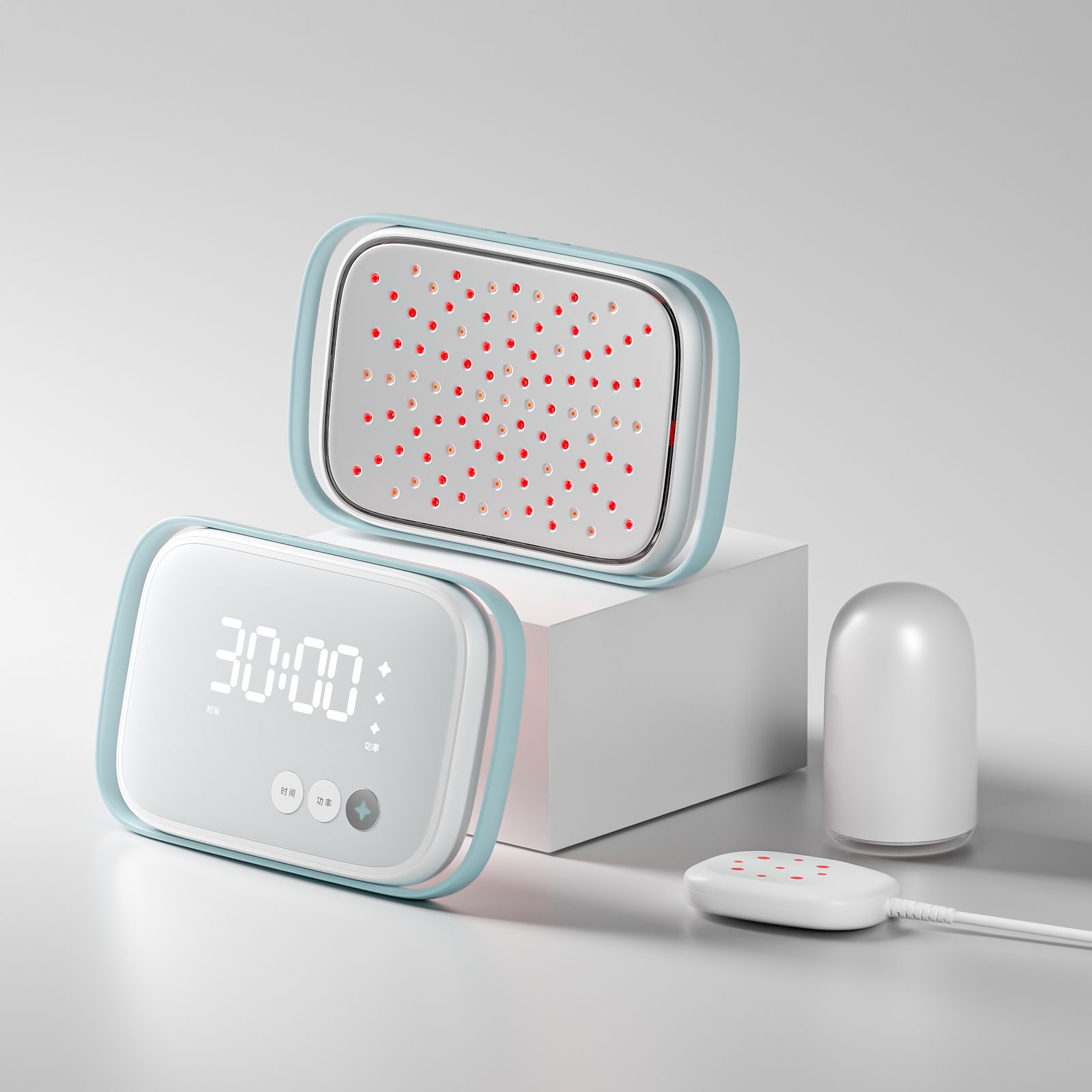
Achieving tangible outcomes hinges on understanding the interplay between wavelength and power. Shorter wavelengths often deliver higher precision but may lack the depth needed for certain applications, while longer wavelengths can penetrate further but risk scattering. The key isn't simply choosing one over the other—it's about matching the right wavelength to the target's properties and then dialing in the power to that specific interaction. Overshooting power can damage surrounding areas, while undershooting yields subpar results that fail to justify the effort.
Real results come from iterative refinement, not cookie-cutter settings. Start by identifying the absorption characteristics of what you're working with, then adjust power incrementally while observing the immediate response. Pay attention to subtle cues like colour change, texture shift, or feedback signals—these often reveal more than a manual ever could. Mastering this balance transforms a routine procedure into a repeatable, high-quality outcome, saving time and resources while consistently hitting the mark.
Design Features That Make Daily Use Effortless
Effortless daily use starts with a design that anticipates your needs before you even realize them. From the moment you interact with the product, every curve, every button placement, and every tactile response feels purposefully aligned with how you naturally move. There's a quiet satisfaction in finding that the things you reach for most often are exactly where your hand expects them, requiring no extra thought—just a seamless extension of your routine.
What truly sets a thoughtfully designed tool apart is how it fades into the background of your day. It doesn't demand your attention with complicated setups or flashy gimmicks; instead, it supports you through subtle, intelligent touches. Perhaps it's a grip that stays secure without effort, a silent auto-adjustment that saves you a step, or materials that feel reassuringly familiar yet resist wear in ways you'd never notice until weeks later. These are the details that transform a first encounter into a lasting habit.
Over time, the real magic reveals itself in the moments you'd otherwise overlook: the instant you realize you haven't thought about charging it in days, the way it handles an unexpected downpour without a second thought, or the simple joy of cleaning it with a quick swipe. By removing even the smallest points of friction, the design honors your time and energy, making each interaction feel less like operating a device and more like a partnership. That's when daily use becomes genuinely effortless—not because it's doing less, but because it's doing everything right.
Safety Standards and Certifications You Can’t Ignore
When you’re choosing equipment or materials for a project, it’s easy to get lost in specs and glossy marketing. But buried in the fine print are the marks and approvals that actually dictate whether something is fit for purpose. These aren’t just bureaucratic hurdles—they’re a distilled promise that a product has been tortured, tested, and pushed to its limits so you don’t have to be the one discovering its breaking point. Overlooking them can mean the difference between a routine operation and a headline-making failure.
The landscape of certifications can feel like an alphabet soup—UL, CE, ANSI, ISO—but each one carries a specific weight depending on your industry and location. A CE mark opens doors across Europe but means little in North America without a corresponding NRTL listing. Meanwhile, true compliance often goes deeper than a sticker; it’s about traceable testing, factory audits, and ongoing surveillance. Smart buyers learn to spot the nuances, like whether a certification covers the entire assembly or just a single component, because that distinction has a way of surfacing at the worst possible moment.
Beyond mere legality, these standards often reflect hard-won lessons from real-world incidents. They evolve, tighten, and occasionally splinter as technologies change. Keeping up isn’t just a paperwork exercise—it’s a form of institutional memory that protects people and reputations. When a product proudly displays a recognized mark, it’s signaling that someone, somewhere, cared enough to verify what’s inside. And in an era where supply chains stretch across continents, that signal has never been more valuable.
Comparing At-Home Options Without the Hype
When you start browsing at-home solutions, it's easy to get swept up in flashy ads promising overnight results. But real life rarely works that way. The key is to cut through the noise and look at what these options actually offer day to day. Does a particular gadget or routine mesh with your schedule, or does it just look good in a demo video? I've found that the most reliable products are often the ones with the least to prove—they simply work because they're thoughtfully designed, not because they're chasing the latest trend.
Think about value instead of just price. The cheapest option can end up costing you more if you have to replace it in a few months, while a higher upfront cost might pay off over years of consistent use. Pay attention to the materials and the warranty, but also to the small design choices that make a difference in daily use. Is it easy to clean? Does it store without becoming clutter? These practical details matter far more than a brand's marketing story.
Finally, trust your own judgment over star ratings. Reviews can be helpful, but they're often filtered through someone else's expectations. What works for a hundred strangers might not work in your home. Instead, give yourself permission to test things out—many companies now offer trial periods—so you can see firsthand if an option truly fits. After all, the best choice is the one you'll actually use, not the one that tops a bestseller list.
When and How to Expect Noticeable Improvements
The timeline for seeing real change depends heavily on the nature of the habit you’re trying to build. Small, tangible wins—like drinking an extra glass of water each day or taking a five-minute stretch break—can show effects within the first week. For deeper shifts, such as improving your sleep quality or reducing chronic stress, it often takes a solid month before the benefits feel concrete. The key is to track not just the big milestones but also the tiny, barely there signals that something is shifting. Maybe you bounced back from a setback faster than usual, or you caught yourself automatically choosing the healthier option without a mental debate. Those are the signs worth celebrating.
How you notice improvement is just as personal as when it arrives. Some people experience a sudden “aha” moment where everything clicks, while for others it’s a slow fade-in, like a Polaroid developing. You might realize one morning that you haven’t craved your old comfort food in weeks, or that a task that used to drain you now feels neutral. It’s also common to notice changes through other people’s feedback—like a colleague commenting that you seem more patient, or a friend asking if you’ve changed your skin care routine because you look refreshed. Keeping a simple log, even just a sentence a day, helps make these subtle shifts more visible and reinforces that progress is happening even when it doesn’t feel dramatic.
Setting realistic expectations can prevent the “why isn’t this working?” frustration that often derails new routines. Physically, muscle adaptations or metabolic changes might need three to four weeks to start showing, while mood-related improvements from meditation or journaling can appear in as little as two weeks if practiced consistently. The most reliable approach is to stop fixating on a finish line and instead watch for trends: are your energy slumps shorter? Are you recovering from mistakes more gracefully? When those patterns solidify, you’ve already arrived at the improvement—even if it doesn’t match the picture you originally had in mind.
FAQ
Red light therapy uses specific wavelengths, typically in the 600–900nm range, to penetrate tissue and stimulate cellular repair. For the prostate, this means improved blood flow, reduced inflammation, and potential relief from symptoms like frequent urination or discomfort. The key is consistent use of a device that delivers therapeutic doses of light to the pelvic area.
Look for devices that emit near-infrared light, specifically around 650nm to 850nm, as these penetrate deeper into body tissue. The 850nm range is especially effective for reaching the prostate gland. Many quality devices combine red and near-infrared LEDs to target both surface and deeper tissues simultaneously.
When used correctly, red light therapy is generally safe, but you should avoid devices that overheat or emit UV light. Always check for FDA clearance or CE marking to ensure the device meets safety standards. If you have a history of prostate cancer or are on photosensitizing medications, consult your doctor before starting treatment.
First, look for high irradiance (power density) to ensure sufficient light energy reaches the target area. A flexible or curved design helps position the device comfortably near the perineum or lower abdomen. Also, check the timer settings and automatic shut-off for convenience. Battery-operated models offer more portability, while larger panels might provide faster treatment times.
Wearable devices, like pads or wraps, offer targeted application and can be worn during daily activities, making them ideal for direct prostate therapy. Panel devices, on the other hand, cover a broader area and are better for overall pelvic health but may require lying down. Your choice depends on lifestyle and treatment goals.
Many users report noticeable improvements in urinary flow and reduced discomfort within 4 to 6 weeks of consistent use, typically 15–20 minutes daily. However, individual results vary based on the severity of the condition and adherence to the routine. Clinical studies often show significant symptom reduction after 8 to 12 weeks.
It should be viewed as a complementary approach, not a replacement. While many find relief and reduced reliance on drugs, always work with your healthcare provider to adjust any medication. Red light therapy can enhance overall prostate wellness and may be used alongside conventional treatments like alpha-blockers or anti-inflammatories.
Cheaper devices often use low-power LEDs with poor penetration, meaning less therapeutic benefit. They may also lack proper safety certifications or consistent light output. High-quality devices invest in medical-grade LEDs, higher irradiance, and precise wavelength control, which directly impacts effectiveness and durability. Spending a bit more usually translates to better results and longer device lifespan.
Conclusion
Choosing a red light therapy device for prostate health means prioritizing features that genuinely affect outcomes. Start with the light itself: wavelengths like 660 nm (red) and 850 nm (near-infrared) penetrate tissue deeply and work synergistically to reduce inflammation and support cellular repair. Power density matters just as much—too low, and the photons never reach the prostate bed. A device built specifically for the male pelvic anatomy, perhaps with a curved applicator or ergonomic handle, eliminates the guesswork of positioning. Daily use shouldn't feel like a chore, so look for cordless designs, intuitive controls, and waterproofing that simplifies hygiene. Don't skip the fine print on safety: authentic certifications from FDA or international equivalents, along with built-in overheat protection and minimal electromagnetic field emissions, are non-negotiable.
When comparing at-home options, strip away the marketing claims and focus on independent reviews and any published clinical data. Real improvements don't happen overnight. Most men notice subtle changes—such as less nighttime urgency or reduced pelvic pressure—after consistent sessions over several weeks. A typical protocol involves 15-20 minutes daily, and patience is key. Combining therapy with pelvic floor exercises and a balanced diet often accelerates progress. Always consult your urologist before beginning, as a customized plan and professional oversight ensure the device complements your overall management strategy rather than replacing necessary medical care.
Contact Us
Contact Person: Leon Yi
Email: [email protected]
Tel/WhatsApp: +86 17363316873
Website: https://zzgt.en.alibaba.com/