

LED Headlight Bulb Company: How to Pick the Right Brand for Your Vehicle
2026-08-04
Upgrading your vehicle's lighting starts with choosing the right LED headlight bulb brand—one that balances performance, durability, and easy installation. With so many options flooding the market, it’s easy to feel lost in a sea of specs and promises. That’s where LUXFIGHTER comes in, setting a new standard for what drivers should expect. In this guide, we’ll cut through the noise and show you exactly what to look for, so you can drive with confidence—and clarity.
Decoding Your Car’s Bulb Fit Before You Click ‘Buy’
It’s a familiar frustration: you stand in the auto parts aisle or scroll through endless online listings, staring at a wall of bulbs, all promising to light the way. Yet, without cracking the code of your car’s specific fitment, that click might just land you with a bulb that refuses to snap into place or, worse, triggers a dashboard warning light. The alignment of tiny tabs, the diameter of the base, and even the electrical connector shape are not mere suggestions—they are non-negotiable keys that turn a simple swap into a seamless upgrade.
Your owner’s manual often speaks in cryptic part numbers and wattage limits, but it’s the invisible geometry behind those numbers that truly matters. A bulb designated for a projector housing behaves differently than one for a reflector, and a millimeter’s difference in collar width can mean the difference between a perfect beam pattern and an angry flicker in oncoming traffic. Before you let a flashy lumen claim seduce your wallet, cross-reference the bulb type against your VIN, not just the generic make-and-model catalog—because two cars rolling off the same assembly line month can carry different sockets based on trim or region.
Beyond the base type, consider the thermal dance inside your lamp housing. LED retrofits may boast longevity, but if they fail to mimic the halogen filament’s focal point, you’ll scatter light where it doesn’t belong. Online fit guides tend to overlook nuances like CAN bus compatibility or the physical depth behind the dust cap. A quick peer into the housing or a snap with your phone camera can save you from the hassle of re-stripping plastic shrouds. The real code isn’t just on the bulb—it’s in the subtle engineering choices made by designers who never expected a second-guessing shopper.
Brightness Hype vs. Real Road Visibility
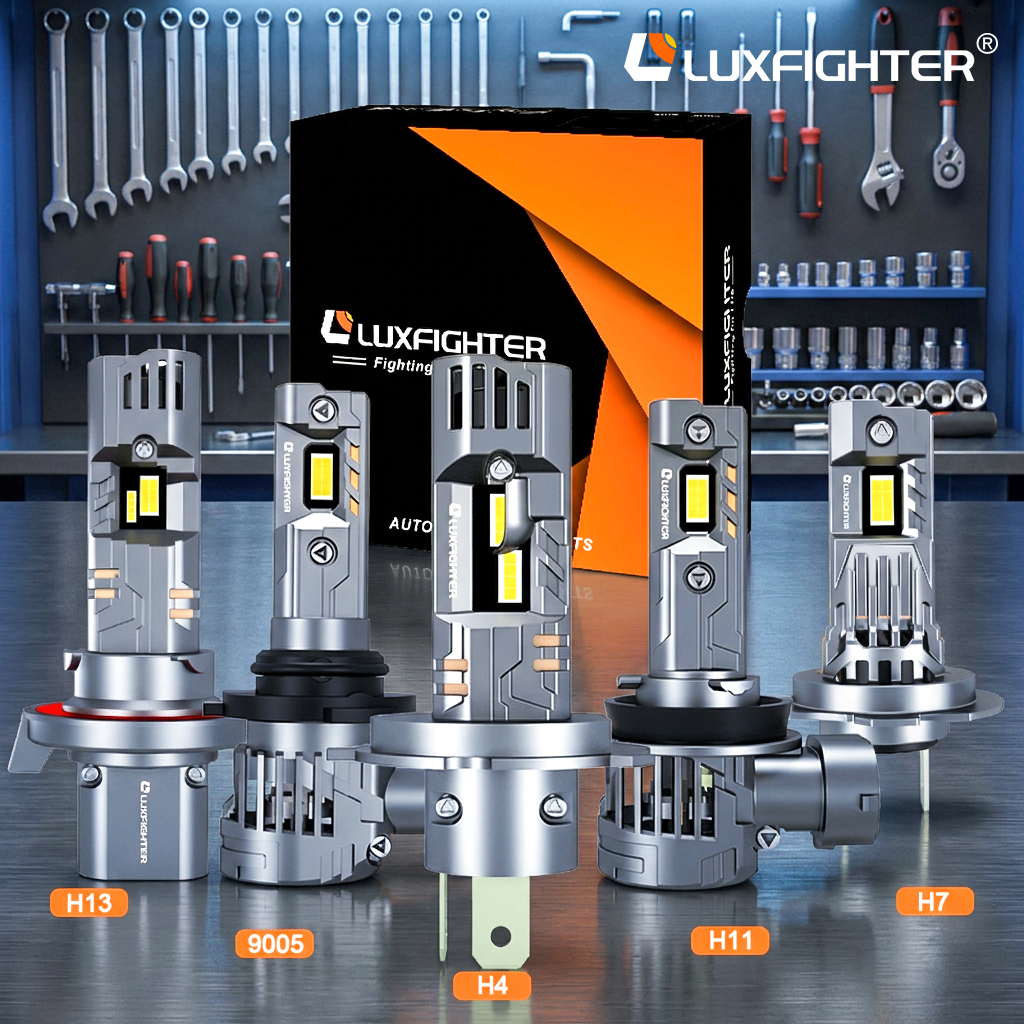
Lumens get all the glory in flashlight marketing, but they rarely tell the full story. A light can blast out thousands of lumens in a lab setting, yet leave you squinting on a dark, winding road. What actually matters is how that light is shaped, focused, and distributed—beam pattern, color temperature, and optic quality do the real heavy lifting for nighttime driving.
A brilliant hotspot might impress in a parking lot, but on the road it can create harsh glare, wash out surface details, or blind oncoming drivers. True visibility comes from a smooth, wide beam that lights up the shoulders without blinding you with reflections off signs or wet asphalt. You need reliable peripheral vision, not just a tunnel of intense light that leaves everything else in blackness.
Next time you compare lights, ignore the lumen race. Look for terms like "low glare," "homogeneous beam," and a color temperature that doesn't fatigue your eyes. The best headlight isn't the brightest—it's the one that helps you see hazards before they're too close to avoid.
Why Cheap LED Kits Turn Your Headlight into an Oven
The core issue lies in the design of the LED bulb's heat sink. Unlike halogen bulbs, which radiate most of their heat forward and out of the headlight housing, LEDs generate intense heat at the base. A proper LED kit uses a large, finned heat sink and often a small fan to dissipate that heat into the engine bay. Cheap kits omit these features entirely, trapping the heat right behind the reflector. This is where the oven effect begins: the heat isn't pushed out, but instead bakes the internal components of your headlight assembly.
That trapped heat doesn't just sit idle. It cooks the plastic housing, causing it to yellow and become brittle over time. Worse, it can melt the delicate wiring insulation inside the headlight, leading to shorts or complete failure. The reflector bowl, often coated with a thin metallic layer, can warp or lose its finish under prolonged high temperatures, permanently ruining the beam pattern. You might notice your headlights aren't as bright after a few months—that's the plastic lens clouding from the inside, a direct result of the excessive heat.
There's also the immediate failure risk. Cheap LED bulbs often lack thermal throttling chips that reduce power when temperatures spike. Without this protection, the LED itself can burn out in a matter of hours, or the poorly soldered joints on the board can crack under constant expansion and contraction. An overheated bulb might start flickering or simply go dark mid-drive. In the worst cases, the heat buildup can even ignite flammable materials nearby, though that's rare. The bottom line: a budget LED kit doesn't just dim your view of the road—it slowly destroys your headlight from the inside out.
The Silent Role of Beam Pattern in Avoiding Glare
When we talk about lighting design, glare often enters the conversation as an unwanted guest. The beam pattern of a luminaire, though rarely celebrated, quietly holds the key to keeping visual discomfort at bay. A carefully shaped beam can gently guide light precisely where it’s needed, wrapping a room in a soft wash rather than assaulting the eyes with harsh, uncontrolled brightness. It’s the difference between a pleasant glow that reveals textures and a piercing spike that makes you squint.
Cutoff angles and distribution curves might sound like technical jargon, but they’re really just the unsung architects of visual calm. An asymmetrical throw can wash a wall with even luminance while leaving the adjacent sitting area shadow-free and inviting. Meanwhile, a tight optic over a workspace shields the user’s line of sight, putting light on the task without a hint of direct glare. This silent orchestration happens in the background, yet it defines how we experience space—shaping mood, comfort, and even our willingness to linger.
Brand Stories That Actually Back Their Warranty
Some brands weave their origin into every stitch and seam, but the truly remarkable ones let you test that narrative without a shred of risk. They hand you a promise that isn’t just ink on a tag—it’s a story still unfolding, backed by an almost stubborn willingness to make things right. When a backpack tears on a remote trail or a jacket’s seam gives way mid-adventure, these companies don’t hide behind fine print. They step into the tale alongside you, often turning a moment of failure into a deeper bond of trust.
The best warranty-backed brands understand that a product’s journey doesn’t end at the sale. Their founders often started by repairing gear in a garage, driven by a quiet frustration with throwaway culture. That spirit lingers in their lifetime guarantees and no-questions-asked returns. Patagonia’s Ironclad Guarantee is legendary not because of the wording, but because of the countless times they’ve fixed a decades-old fleece. Osprey’s All Mighty Guarantee is another—it’s been known to rescue packs chewed by bears. These aren’t just policies; they’re chapters in a brand’s living story, proving that the tale on the label actually means something.
What sets these companies apart is the absence of friction. You don’t need a receipt, an original purchase date, or a convincing argument. A quick message or a visit to a repair event, and the story continues—often with a repaired item returned with a handwritten note, or a replacement that feels like an upgrade. This seamless care transforms a simple transaction into a shared narrative of durability and respect. In a world of fleeting trends, these brand stories don’t just promise to last; they prove it, one satisfied customer at a time, making the warranty itself a chapter worth reading.
Installation Surprises No One Talks About
You’ve cleared your schedule, watched a few tutorials, and feel ready to tackle that new software. Then the installer throws a curveball—a cryptic error code, a missing dependency you’ve never heard of, or a permissions maze that makes no sense. Nobody warns you about the hidden prerequisites that quietly bury themselves in the fine print, or the way certain tools hijack your system settings without asking. It’s the kind of friction that turns a thirty‑minute task into an afternoon of detective work, and it rarely gets mentioned until you’re staring at a stalled progress bar.
Then there are the leftovers. After you finally complete the installation, you discover uninvited shortcuts, background services that auto‑start, or a system tray icon that refuses to stay hidden. Some installers bundle extra “offers” so slyly that even an attentive custom setup won’t save you from that one checkbox that defaults to “yes.” It’s not just bloatware—it’s the nagging feeling that your machine is no longer entirely yours. These sneaky additions are rarely highlighted in reviews or guides, yet they can degrade performance and clutter your workspace over time.
Perhaps the quietest shock is the aftermath: the subtle changes in how your system behaves. A new application messing with file associations, a browser extension you didn’t approve, or a driver that conflicts with hardware you rely on. These problems can simmer for days before you connect the dots, and when you finally uninstall, you often find traces lingering in the registry or appdata folders. It’s a reminder that installation isn’t always a clean, linear process—sometimes it’s a trade‑off that nobody spells out until you’re living with the consequences.
FAQ
Focus on brightness measured in lumens, a beam pattern that avoids glare, and a color temperature around 6000K for a crisp white light. Also check if the bulb includes a built-in driver and cooling system, because LEDs generate heat behind the emitter.
Most brands offer a fitment guide on their website where you enter your vehicle's year, make, and model. But it's smart to double-check the physical clearance behind the headlight housing—some larger bulbs with cooling fans might not fit without modification.
Not necessarily. Extremely high lumen claims can be misleading if the light isn't focused correctly. A bulb with 10,000 to 12,000 lumens per pair is usually more than enough, as long as the beam pattern is sharp and doesn't blind other drivers.
The price often reflects the quality of the LED chips, the driver's stability, and the cooling system. Cheaper bulbs may overheat, flicker, or fail early. Premium brands invest in proper optics and thermal management that extend life and maintain consistent output.
Many modern cars have CAN bus systems that monitor bulb resistance. If an LED bulb draws too little power, it can trigger a warning or flicker. Look for bulbs with built-in decoders or choose a brand that offers CAN bus–ready versions specifically for your vehicle.
Fan-cooled bulbs use an active fan to dissipate heat, which is effective but can fail over time. Fanless designs use copper braid or aluminum heatsinks, which are silent and have no moving parts, but they need adequate airflow inside the housing. Both can work well if from a reputable brand.
It's a big deal. A lengthy warranty—ideally two years or more—shows the company stands behind its product. Also check how easy the replacement process is; some brands ship a new unit without requiring you to return the defective one first.
On many vehicles, it's a straightforward plug-and-play swap that you can do in under an hour with basic tools. However, some housings are tight, or you may need to adjust the beam aim afterward. If you're not comfortable, a shop can handle it, but it's usually not a complex job.
Conclusion
Before you even think about hitting that order button, spend five minutes with your owner's manual. A bulb that doesn't physically fit or communicate properly with your car's electrical system can trigger flickering, dashboard errors, or worse. And while every brand shouts about lumens, raw brightness numbers mean nothing if the light scatters into oncoming traffic instead of reaching the dark patch on the road ahead. Real visibility comes from a beam pattern that respects the housing it's sitting in—something cheap, poorly engineered kits just can't deliver. Those bargain options often cram powerful LEDs into tiny bodies without proper thermal management, turning your headlight assembly into a miniature oven that cooks itself to death in months.
That's why the brand behind the bulb matters more than the price tag. Look for companies that design their LEDs around specific vehicle applications, not a one-size-fits-all form factor. A warranty that actually pays out without a fight is a good sign, as are real installation stories that mention easy twist-lock fits, not complex rewiring or hacking away at dust covers. Pay attention to the details buried in reviews: does the beam cut off cleanly, or does it throw glare everywhere? Can you adjust the clocking to fine-tune the pattern? These things separate a frustrating return from a true plug-and-play upgrade that works the first time.
Contact Us
Contact Person: Gavin Chen
Email: [email protected]
Tel/WhatsApp: (+86)756-6831079
Website: https://www.luxfighter.com/