
Isopropyl Myristate Supplier Recommendations for Cosmetic and Personal Care Formulations
2026-11-18
Get isopropyl myristate wrong, and even a well-balanced lotion can turn sticky, heavy, or unstable. Get it right, and skin feel falls into place almost effortlessly. That difference rarely comes down to luck—it comes from the supplier. At MingYa, we focus on batch consistency and purity that cosmetic and personal care formulations actually demand. These supplier recommendations cut through the noise so you can compare what matters most.
The Emollient Slip Test and Other Supplier Checks That Matter
The emollient slip test is less about a single number and more about how a material behaves under pressure and across skin. A supplier can pass a spec sheet and still ship batches that drag, pill, or turn tacky halfway through rub-out. We ask labs to run the slip panel alongside viscosity and melting point, not instead of them, because slip catches batch-to-batch shifts that those numbers miss.
Beyond the bench test, useful supplier checks are often unglamorous. We request retain samples from the exact lot being quoted, not a Golden Sample from months earlier. We also ask how the material is stored before shipment and whether the certificate of analysis reflects the batch in the container or a composite. Those questions reveal more than a polished questionnaire.
When a new supplier pushes back on extra testing, that is data too. The ones worth keeping usually share their out-of-spec history, change-control notes, and the name of the person who signs off on release. The slip test matters because it forces the conversation away from marketing language and toward how the ingredient actually behaves on skin.
What a Supplier's Retention Sample Tells You About Their Quality Habits
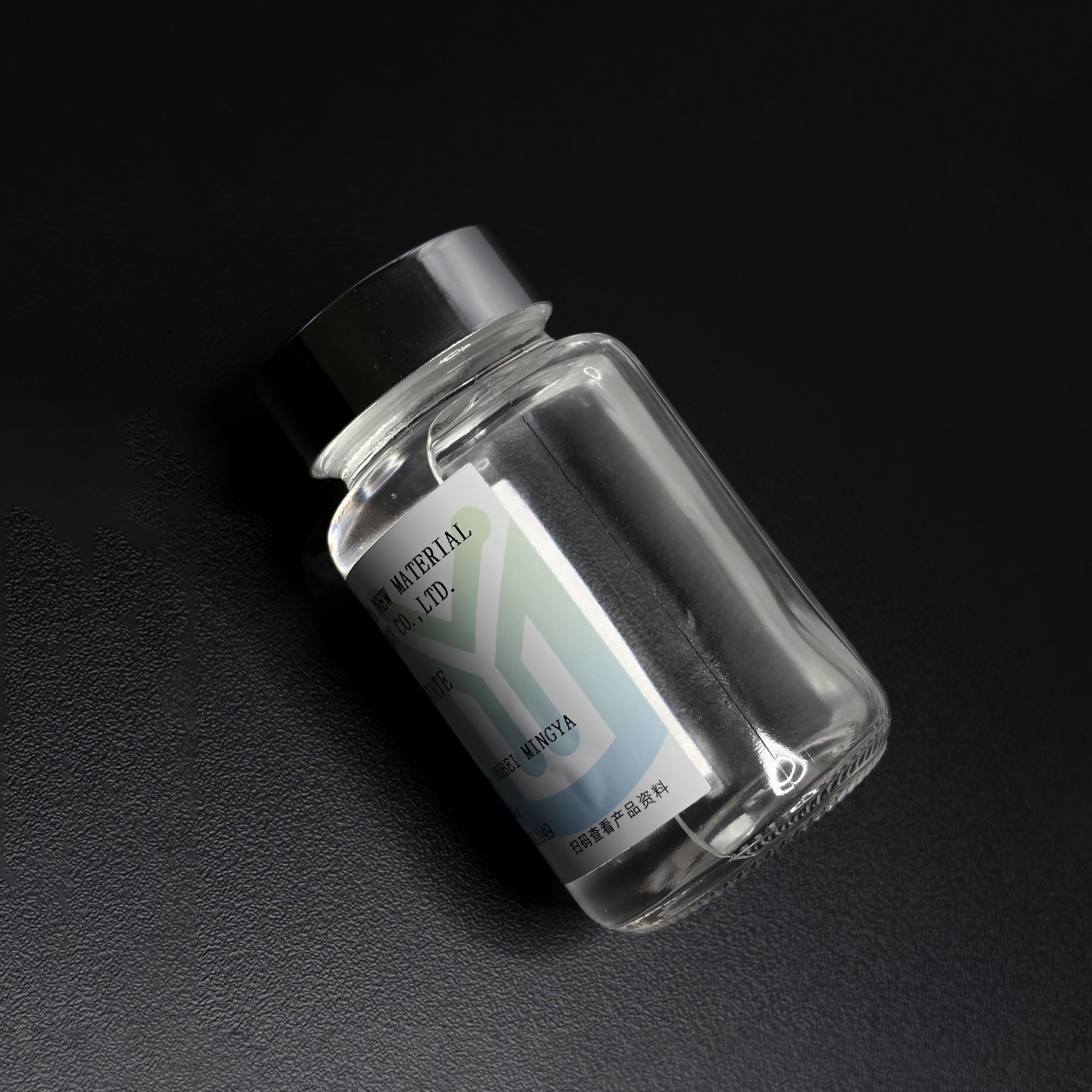
A retention sample rarely gets much attention until something goes wrong, but the way a supplier stores and tracks those small reference pieces says a lot about their daily discipline. Cabinets with faded labels, missing batch numbers, or samples stacked in random order usually point to the same habits showing up on the production line. If they cannot keep a simple reference organized, their handling of raw materials and finished goods deserves a closer look.
Suppliers who take retention samples seriously tend to treat them as part of the production record rather than an afterthought. The sample is sealed, dated, linked to inspection data, and kept for a defined period. When a question arises about a specific shipment, they can retrieve the exact batch without digging through boxes. That level of control does not come from having a fancy system; it comes from routines that make traceability a normal part of shipping work.
It also shows up in how they respond to a comparison request. A supplier with solid habits will send photos or measurements from the retained unit and discuss variances honestly. A weaker one might delay, make excuses, or act as if the request is unreasonable. Over time, those reactions tell you more about their quality mindset than any audit checklist.
Comparing Cosmetic-Grade and Technical-Grade Isopropyl Myristate Before You Buy
The distinction between cosmetic-grade and technical-grade isopropyl myristate isn't always obvious on a spec sheet, but it matters the moment the material touches your formulation. Cosmetic-grade material typically undergoes finer purification to strip out residual fatty acids and short-chain esters that can contribute to off-odors or skin irritation. Technical-grade batches, by contrast, are more likely to carry trace catalysts or unreacted feedstock, which is fine for industrial lubrication but a gamble in a leave-on serum.
What often gets overlooked is how these residual impurities behave under heat and long-term storage. A technical-grade sample might pass a basic viscosity check yet develop a faint rancid note after a few weeks in an emulsion, especially if your formula leans on delicate actives. Cosmetic-grade material is usually held to tighter peroxide and acid value limits, giving you more predictable performance in anhydrous sticks, cleansing balms, and massage oils where the ester sits at high concentration.
Before committing to a bulk order, ask the supplier for more than a certificate that simply repeats the trade name. Request batch-specific acid value, saponification value, and odor panel results, then compare those against the grade you think you're paying for. A slightly higher unit cost for cosmetic-grade material is often cheaper than reformulating around a lingering smell or an unexpected skin reaction later.
Sample Kits and Pilot Batches as a Non-Negotiable First Step
Most suppliers will happily quote a full production run before they have ever made a single gram of your product. That always struck us as backward. A sample kit is not a formality; it is the only honest way to test whether the material, the finishing, and the supplier's attention to detail actually match their sales pitch. We insist on this stage because it exposes problems while they are still cheap to fix.
The same logic applies to pilot batches. Running a few hundred units under real tooling, with the actual packaging line and the actual tolerance window, tells you things a spec sheet never will. It is where hidden friction shows up, a thread that strips, a coating that scuffs, a fill level that drifts. Skipping this step saves maybe two or three weeks on a calendar, but it can bury those weeks later in rework, returns, or a product you quietly hope nobody inspects too closely.
We have learned not to treat the pilot as a rehearsal. It is the first production run that happens to be smaller. If a partner pushes back on that, or offers to "streamline" the process by combining sample approval with mass production, that is usually a sign we need a different partner, not a shorter process.
Why Some Suppliers Keep You Waiting on Regulatory Documents
A lot of the delay comes down to messy internal handoffs. The document you are waiting on usually needs sign-off from compliance, legal, and quality teams before it can be sent out, and if one person is on leave or buried in backlog the whole process stalls. Suppliers rarely admit that the holdup is on their side because it makes them look disorganized, so they tell you the file is still with the relevant department.
Some suppliers quietly prioritize larger accounts when regulatory paperwork is in short supply. If your order volume is smaller, your file simply sits further down the queue until someone has time to get to it. The supplier will not say this directly, but the vague update about waiting on the agency often signals that your request is not at the top of their list.
In other cases the supplier is waiting on a third party for test reports, certificates of origin, or notarized documents, and they have no firm date from that outside provider. Instead of admitting the timeline is outside their control, many suppliers keep repeating that the documents are being processed and hope you stop asking before they have to commit to a real deadline.
Building a Shortlist of Isopropyl Myristate Sources That Can Actually Scale
Most buyer teams start with a spreadsheet full of names and a vague hope that someone will answer the phone. For isopropyl myristate, that approach falls apart quickly. The suppliers who can quote a good price for one drum often cannot hold that price, let alone quality, when you ask for twenty. A shortlist should begin with a hard look at esterification capacity and whether the site actually runs the reaction in-house or simply repacks material from a trader. If they cannot name the fatty acid source and the alcohol spec without checking, move on.
Then look at documentation as a proxy for production discipline. Request a batch record template, a heavy metals panel, and evidence of ongoing stability testing, not just a one-page COA. Isopropyl myristate tends to oxidize when storage conditions drift, so ask how the supplier handles nitrogen blanketing, peroxide control, and packaging headspace. These details matter more than a slightly lower unit price when a failed lot forces a reformulation or a rejected shipment.
Finally, test the relationship before committing volume. Order a sample from the actual production line, not the lab, and run it through your full incoming QC workflow. In parallel, ask for a supply map that shows raw material origins and alternate production sites. A source that scales is one that can explain what happens when demand doubles, a reactor goes down, or a feedstock price spikes, without going silent for two weeks.
FAQ
Look beyond the certificate of analysis and ask for a retention sample from the most recent production batch. Pay attention to the residual isopropanol figure, because even small amounts can create a sharp odor that clashes with fragrance systems. Request clarity on the fatty acid source too; a narrow C14 chain distribution usually gives a lighter, less waxy skin feel than a broad-cut material.
These two factors often decide whether a batch works in an elegant serum or feels heavy and smells slightly chemical. A tightly controlled ester distribution keeps the melting behavior predictable, while low residual alcohol reduces the chance of irritation around the eyes and lips. Suppliers that can provide batch-level data on both tend to be easier to work with during scale-up.
Ask for the full specification sheet, a recent certificate of analysis, allergen and residual solvent statements, and confirmation that the material is suitable for cosmetic use under the relevant regulatory framework. If the product is marketed as vegan or palm-free, request documentation that traces the raw material origin. A supplier that hesitates on origin data usually creates problems later.
Yes, and this is where cheaper quotes can become expensive. Some suppliers deliver product with a faint fruity note and water-white clarity, while others show a slight yellow tint or a waxy background odor from lower-purity feedstock. For fragrance-free or lightly scented formulas, batch-to-batch odor consistency matters more than the absolute odor level.
Port delays, inventory holding costs, and sudden specification drift are common risks when relying on a single overseas source. Keeping a qualified second supplier in a different region helps, as does setting clear rejection criteria for color, odor, and residual isopropanol before shipments arrive. Some brands also negotiate a safety stock arrangement with a domestic repacker.
Direct relationships are possible but often come with high minimum order volumes and slow technical response times. Many indie brands do better through a specialty chemical distributor that can split pallets, provide small samples quickly, and consolidate documentation. The margin difference is real, but the flexibility usually outweighs it until volumes justify a direct contract.
Sustainability claims now extend well beyond the classic RSPO mass balance discussion. Some suppliers offer isopropyl myristate derived from certified palm fractions, while others use coconut or mixed vegetable sources with different land-use profiles. If your brand makes a no-palm or low-carbon claim, ask for mass balance documentation and the supplier's latest supply chain disclosure before locking in a source.
Conclusion
Supplier selection for isopropyl myristate rarely comes down to the numbers on a certificate. A more useful first screen is how the material behaves in a simple emollient slip test, alongside checks for odor, color stability, and residue after evaporation. Retention samples matter just as much as incoming specs because they show whether a supplier keeps a traceable record of past lots and can investigate a drift in feel or clarity later. Cosmetic-grade and technical-grade material can look identical on paper but perform differently in a cold cream or serum, so asking for the exact purity profile and residual fatty acid data is worth the time.
Requesting sample kits and running a small pilot batch should be treated as a mandatory step, not a courtesy. It exposes how the ester behaves under your homogenization and filling temperatures before any volume commitment. Suppliers that stall on regulatory documents often have gaps in their quality system, while those that share retained samples, batch records, and impurity data without chasing tend to be easier to scale with. A shortlist should favor sources that can demonstrate repeatable production, transparent documentation, and the capacity to grow beyond pilot quantities without changing the material you already approved.
Contact Us
Contact Person: Miss Pei
Email: [email protected]
Tel/WhatsApp: 8618620409116
Website: https://www.mingyachemicals.com/