

High Evaluation Distribution Box: Essential Features and Top Benefits
2026-08-02
Ever wondered what truly sets a premium electrical setup apart? It's not just the components you see—it's the unsung hero behind the scenes: the distribution box. At Chang Song, we've spent years perfecting high evaluation distribution boxes that don't just meet standards—they redefine them. In this post, we'll unpack the must-have features and surprising benefits that make a real difference in safety, efficiency, and long-term reliability.
The Anatomy of a Reliable Distribution Box
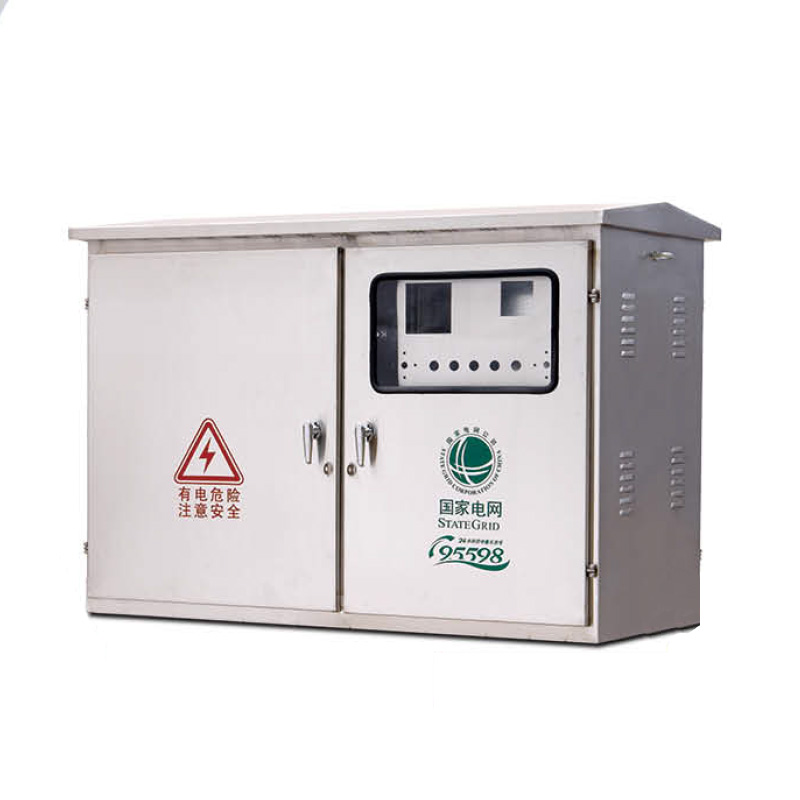
A reliable distribution box isn’t just a metal enclosure—it’s a carefully engineered assembly where every component plays a specific role in safety and longevity. The backbone is the enclosure itself, typically crafted from galvanized steel or weather-resistant polycarbonate, designed to shield internal parts from dust, moisture, and accidental contact. Inside, you’ll find a busbar system that efficiently distributes incoming power to multiple circuits without overheating, thanks to precise current ratings and ample spacing. Neutral and ground bars are isolated to prevent dangerous loop currents, while clearly labeled terminals simplify troubleshooting and future expansions.
Circuit protection occupies the front stage, with a combination of miniature circuit breakers (MCBs) and residual current devices (RCDs) that safeguard against both overloads and earth faults. These aren’t randomly plugged in; their arrangement follows a logical sequence, often with higher-amperage breakers closest to the main switch to minimize voltage drop. The main isolator, usually a rotary or toggle switch, allows for a complete shutdown without exposing live parts—a critical feature for maintenance safety. Many robust designs also incorporate a surge protective device (SPD) that clamps transient voltages, shielding sensitive electronics from lightning strikes or grid switching events.
What truly sets a dependable unit apart are the small but vital details. Cable entry points use compression glands or knockouts with grommets to maintain the ingress protection (IP) rating, while internal wiring is routed neatly with cable ties to reduce strain and heat buildup. A clear circuit directory affixed to the door or inner panel eliminates guesswork during an emergency, and a well-engineered hinged cover with a secure latch ensures that the box remains closed, yet accessible, for authorized personnel only. Finally, compliance with local electrical codes—marked by certification labels—validates that every connection has been designed and tested to handle real-world demands without compromise.
Materials That Make a Difference in Harsh Conditions
When equipment faces salt spray, abrasive grit, or rapid temperature swings, the choice of alloy isn’t just a specification—it’s a survival strategy. Inconel 625, for instance, thrives in marine exhaust systems where lesser metals pit and crack within months. Its nickel-chromium matrix forms a passive oxide layer that refuses to peel under cyclic heating, while the addition of molybdenum fends off crevice corrosion in stagnant seawater. Engineers don’t simply pick it for strength; they rely on its metallurgical memory to resist embrittlement even after years of thermal cycling.
Polymer composites have quietly revolutionized underground drilling. Where steel pipes once eroded from abrasive slurries, glass-reinforced epoxy now channels flow with a surface so slick that sediment barely grips. The real genius, however, lies in the fiber orientation: by winding layers at specific angles, manufacturers create a laminate that flexes under pressure spikes without microcracking—something ceramics can’t mimic. This tailored anisotropy makes the difference between a component that survives a few hundred hours and one that outlasts the rig itself.
In sub-zero environments, standard elastomers turn brittle as glass, but fluorosilicone seals remain supple down to -60°C. Their secret isn’t just the silicon-oxygen backbone but the trifluoropropyl side chains, which repel fuels and solvents while allowing molecular rotation in deep cold. Aerospace designers prize them not just for leak prevention but for maintaining elasticity when hydraulic systems shudder during polar takeoffs. It’s a classic case where a subtle side-group modification transforms an ordinary material into a mission-critical asset.
Safety Features You Can’t Overlook
Modern vehicles come packed with an overwhelming list of safety acronyms and marketing jargon, making it easy to glaze over the details. Yet, the gap between a feature existing on paper and it actually saving your skin in a real emergency is narrower than you think. The real value lies in those systems that intervene without hesitation, not just the ones that beep at you. Understanding which features bring genuine peace of mind means looking past the label and focusing on how they integrate into the chaos of everyday driving.
Automatic emergency braking with pedestrian detection has quietly become one of the most critical advancements in recent years. It’s not merely about preventing a fender bender; it’s about reacting to a child darting between parked cars when your eyes are checking the mirror. Similarly, blind-spot intervention that actively steers you back into your lane goes beyond a simple warning light—it corrects the human tendency to misjudge the speed of a vehicle approaching from behind. Even adaptive headlights, which swivel into corners, turn a dark country road from a guessing game into visible pavement. These aren’t luxury upgrades anymore; they’re the difference between a near miss and a disaster.
Test-driving a car should involve more than just accelerating onto the highway. Pay attention to how these systems communicate—do the alerts feel intuitive or jarring? Does the lane-keeping assist fight you on narrow streets, or does it quietly support? The best safety tech fades into the background until the moment it’s needed, and that seamlessness is something you can’t judge from a spec sheet. Trust the features that earn your trust through subtlety, not constant intervention, because when they finally activate, you want your instincts to be ready, not your patience exhausted.
Streamlined Installation for Faster Project Completion
Getting set up shouldn’t feel like a chore. That’s why we’ve trimmed every unnecessary step out of the installation process. Instead of puzzling over configuration files or hunting down dependencies, you’ll be guided by a clean, intuitive interface that handles the heavy lifting in the background. In most cases, you’re up and running in under five minutes—leaving you more time to focus on what actually matters.
Behind the scenes, smart automation anticipates common pitfalls and resolves them before they become roadblocks. Environment checks run silently, permissions are set correctly from the start, and any missing components are fetched and installed without prompting you for technical decisions. It’s the kind of invisible efficiency that turns a traditionally tedious phase into a forgettable blip—so your project timeline shrinks right from day one.
We’ve also made sure the installer doesn’t overstay its welcome. It’s lightweight, avoids bloat, and only brings in what’s essential. Whether you’re spinning up a test environment or deploying across a team, the consistency and speed of the setup mean less waiting and more doing. Because when installation fades into the background, projects finish faster—and that’s the whole point.
How Smart Load Management Saves on Energy Bills
Shifting energy use away from expensive peak-rate periods is one of the most direct ways smart load management lowers costs. By scheduling high-consumption appliances like dishwashers, water heaters, or EV chargers to run during off-peak hours, households automatically benefit from time-of-use pricing without any daily manual effort. The system monitors real-time electricity rates and adjusts device operation accordingly, ensuring that appliances never draw power when prices spike. Over time, this behavioral shift can cut a typical home’s electricity bill by 15-30%, purely by reorganizing when energy is used.
Beyond time-shifting, smart load management also prevents energy waste by continuously matching consumption to actual needs. Heating and cooling systems, for instance, are often the biggest energy drain in a home. With smart controls, they can pre-cool or pre-heat based on occupancy patterns and weather forecasts, avoiding the inefficiency of running at full capacity in an empty house. Similarly, lighting and standby power loads are minimized through automated shutoffs. These small, persistent savings accumulate significantly, removing the “phantom” loads that many homeowners aren’t even aware of.
Another layer of savings comes from the integration with on-site renewable generation and battery storage. When solar panels produce excess energy, a smart system can divert it to charge batteries or run flexible loads instead of sending it back to the grid at a low feed-in tariff. This self-consumption drastically reduces the amount of energy bought from the utility, especially during high-rate periods. The result is a home that not only consumes less but also makes smarter use of the energy it generates, directly shrinking monthly expenses.
From Factories to Homes: Versatile Use Cases
In busy assembly lines, these systems take on repetitive yet critical tasks—sorting components, guiding robotic arms, and inspecting products for defects that might escape the human eye. Their real-time responsiveness helps factories reduce downtime and keep quality standards consistently high, even when production demands spike unexpectedly.
Step into a living room, and the same core technology adapts effortlessly. It powers smart appliances that learn your routines, adjusting lighting and temperature before you reach for a switch. Voice assistants rely on it to distinguish between a casual remark and a genuine command, making daily interactions feel less like issuing orders and more like having a conversation.
Beyond these familiar settings, the true versatility emerges in spaces like retail stores and hospitals. Inventory-tracking cameras spot empty shelves without manual scans, while patient monitoring tools analyze subtle changes in vital signs, alerting nurses earlier than traditional alarms. Each environment shapes the technology to fit its own rhythm, proving that usefulness isn't about complexity—it's about finding the right fit.
FAQ
It's all about the materials and design precision. The best ones use reinforced thermoplastic or powder-coated steel enclosures that resist corrosion and impacts. You'll notice tight seals, reliable hinges, and a finish that doesn't degrade even in harsh weather.
They come with features like transparent covers for visual inspections without exposure, secure locking mechanisms that prevent unauthorized fiddling, and integrated touch-proof busbars. This means fewer accidental shocks and a much lower risk of short circuits from curious kids or dust accumulation.
Surprisingly, yes. They often have detachable gland plates, generous wiring space, and pre-cut entries that align with standard conduits. The mounting points are well thought out, so you're not drilling extra holes or wrestling with cables in a cramped space.
It's a game changer for longevity. Superior models incorporate ventilation channels or thermal management materials that prevent overheating. When breakers and wires run cooler, you avoid nuisance tripping and extend the service life of all connected components.
Definitely. They're designed with extra DIN rail slots and modular space, so adding solar inverters, EV chargers, or smart home modules later is a breeze. You won't need to rip out the wall to upgrade—everything evolves neatly inside the same enclosure.
The IP ratings are no joke. You'll see IP65 or even IP67 occasionally, meaning they shrug off dust, heavy rain, and even temporary submersion. Gaskets are UV resistant, and the locks stay functional after years of exposure—no rusted hinges or brittle plastic cracking in the cold.
Conclusion
A high-quality distribution box brings together rugged construction and advanced engineering to ensure dependable power distribution in any setting. Its sturdy enclosure, often crafted from corrosion-resistant steel or reinforced polycarbonate, withstands extreme temperatures, moisture, and mechanical impacts without compromising performance. Inside, well-organized busbars and clearly labeled terminals simplify maintenance and reduce the risk of wiring errors. The layout is meticulously planned to allow adequate spacing for heat dissipation, preventing overheating during peak loads. Such thoughtful design extends equipment life and cuts downtime, making it a cornerstone of reliable electrical infrastructure.
Beyond basic protection, these units integrate cutting-edge safety features like arc fault detection, surge suppression, and ground fault interruption to shield both equipment and personnel. Installation is streamlined with pre-punched knockouts, removable gland plates, and modular components that snap into place, slashing labor time and project costs. Smart load management technology dynamically balances circuits, tracks energy consumption, and automatically adjusts distribution to avoid waste, resulting in noticeable savings on utility bills. Whether powering heavy machinery on a factory floor, supporting mission-critical servers in a data center, or simply feeding household circuits, a well-engineered distribution box adapts effortlessly, delivering consistent performance across diverse applications.
Contact Us
Contact Person: Tonglun Chen
Email: [email protected]
Tel/WhatsApp: 8618906642555
Website: https://www.cncsele.com