

Hastelloy Alloys: Innovations in Corrosion-Resistant Materials for Industrial Excellence
2026-01-20
In the relentless pursuit of industrial excellence, corrosion remains a formidable adversary, threatening the integrity and longevity of critical equipment. Yet, amidst this challenge, innovations like Hastelloy alloys have emerged as transformative solutions, offering unparalleled resistance to harsh environments and demanding applications. As a pioneer in advanced materials, Jiangsu Baowu New Materials stands at the forefront of this evolution, leveraging cutting-edge technology to develop high-performance alloys that redefine durability and efficiency. This blog delves into the groundbreaking advancements in Hastelloy alloys, exploring how these corrosion-resistant materials are shaping industries and setting new standards for reliability. Join us as we uncover the science, applications, and future potential that make Hastelloy a cornerstone of modern engineering—and discover how Jiangsu Baowu New Materials is driving this innovation forward to empower your projects with superior, long-lasting solutions.
Understanding the Unique Composition of Hastelloy Alloys
At the heart of Hastelloy alloys lies a sophisticated balance of elements that sets them apart from conventional nickel-chromium superalloys. While many alloys rely heavily on chromium for corrosion resistance, Hastelloy incorporates substantial amounts of molybdenum and tungsten, which significantly enhance performance in reducing environments like hydrochloric and sulfuric acids. This unique molybdenum-tungsten synergy is often tailored across grades—such as Hastelloy C-276 or B-3—to address specific industrial challenges.
Beyond molybdenum and tungsten, Hastelloy alloys frequently include controlled additions of cobalt, iron, or vanadium, depending on the intended application. For instance, cobalt can improve high-temperature strength in gas turbine components, while vanadium might be used to fine-tune weldability without compromising corrosion resistance. These subtle compositional tweaks allow Hastelloy to excel in niche areas where other alloys falter, such as in aggressive chemical processing or marine engineering.
What truly distinguishes Hastelloy, however, is its ability to maintain structural integrity under extreme conditions through precise element ratios. The alloys are engineered to minimize precipitation of harmful phases during welding or prolonged exposure to heat, ensuring longevity in demanding settings like nuclear reactors or pollution control systems. This tailored approach to composition not only enhances durability but also offers designers flexibility in material selection for critical infrastructure projects.
Major Types and Their Specific Applications Across Industries
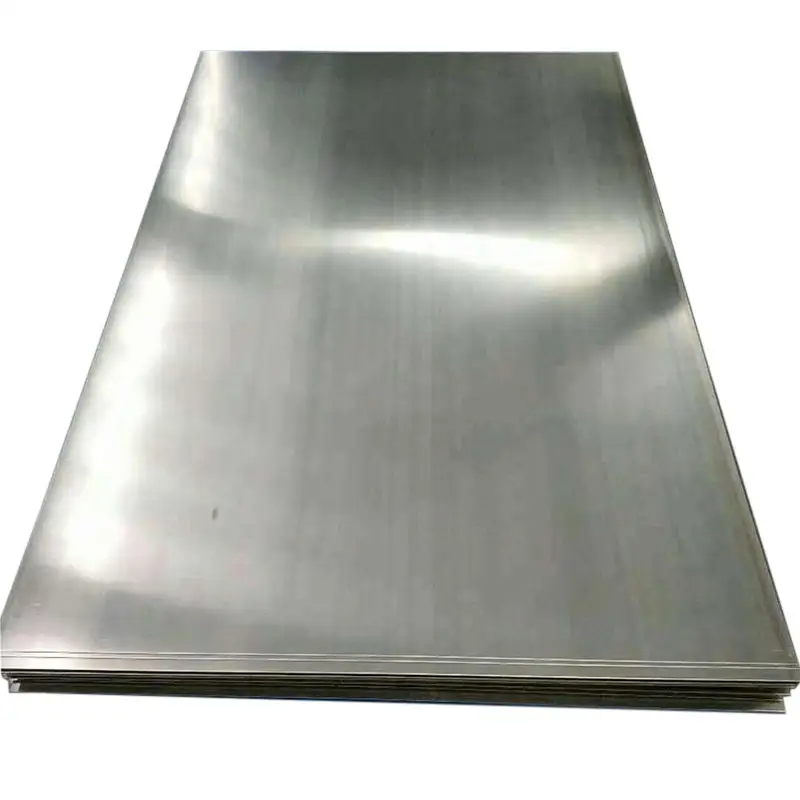
From precision instruments to everyday necessities, major types of industrial materials and technologies find tailored applications that drive innovation and efficiency. Metals like stainless steel and aluminum, for instance, are not just generic choices; they are selected based on unique properties to meet sector-specific demands. In aerospace, high-strength alloys withstand extreme temperatures and stress, while in food processing, corrosion-resistant variants ensure safety and hygiene. This specificity transforms raw materials into critical components that shape industry standards and outcomes.
Beyond materials, software and systems types also demonstrate remarkable versatility. ERP systems, for example, are customized to streamline operations in diverse settings: in manufacturing, they manage supply chains and production schedules, whereas in healthcare, they handle patient records and billing with strict compliance. This adaptability allows industries to leverage common technological frameworks while addressing niche challenges, creating solutions that are both robust and finely tuned to operational needs.
Innovations in biotechnology illustrate how major types evolve to serve multiple sectors simultaneously. CRISPR technology, a prominent type of gene-editing tool, has found applications ranging from agriculture—enhancing crop resilience—to medicine, where it targets genetic disorders. Such cross-industry applications highlight how foundational types can spark breakthroughs, pushing boundaries and fostering collaboration that reshapes entire fields. This dynamic interplay ensures that these types remain relevant and impactful across ever-changing industrial landscapes.
Mechanisms Behind Superior Corrosion Resistance in Harsh Environments
One key factor in achieving exceptional corrosion resistance in challenging conditions is the formation of a stable, self-repairing passive layer on material surfaces. In environments like high-salinity seawater or acidic industrial settings, metals such as stainless steel or titanium alloys develop oxide films that act as barriers against aggressive elements. These layers aren't just static shields; they can dynamically regenerate when damaged, thanks to electrochemical reactions that replenish protective compounds. This self-healing ability, often enhanced by alloying elements like chromium or molybdenum, ensures long-term durability even under fluctuating stresses, reducing maintenance needs and extending service life significantly.
Beyond passive layers, microstructural design plays a crucial role in corrosion resistance. Advances in materials science have led to engineered microstructures that minimize defect sites where corrosion can initiate. For instance, grain boundary engineering in nickel-based superalloys creates more coherent interfaces, reducing susceptibility to intergranular attack. Similarly, nanostructured coatings with tightly packed phases offer fewer pathways for corrosive agents to penetrate. By tailoring crystal orientations and phase distributions, materials can resist pitting and crevice corrosion more effectively, a feature particularly valuable in offshore oil rigs or chemical processing plants where localized failures are common.
Environmental adaptation mechanisms further boost performance in harsh settings. Some materials incorporate smart additives or surface treatments that respond to specific corrosive threats. For example, inhibitors embedded in polymer composites can leach out gradually to neutralize acids, while hydrophobic coatings repel moisture to prevent electrochemical reactions. In extreme cases, materials like high-entropy alloys exhibit multiple protective phases that work synergistically, adapting to varied pH levels or temperatures without degrading. This multifaceted approach, combining intrinsic properties with responsive features, sets high-performance materials apart, ensuring reliability in applications from aerospace to marine infrastructure where failure isn't an option.
Performance Advantages Over Traditional Stainless Steels and Nickel Alloys
When comparing advanced materials to traditional stainless steels and nickel alloys, the performance advantages become strikingly clear. For instance, many modern alloys exhibit superior corrosion resistance in harsh environments like marine or chemical processing applications, where traditional options might succumb to pitting or stress corrosion cracking over time. This isn't just a minor improvement – it translates into longer service life and reduced maintenance costs, making them a smart investment for industries where downtime is costly.
Another key area where these materials shine is in their mechanical properties at elevated temperatures. While standard stainless steels can lose strength and become prone to creep under high heat, newer alloys maintain their structural integrity much better. This makes them ideal for demanding sectors such as aerospace or power generation, where components must withstand extreme thermal cycles without failing. The enhanced thermal stability also allows for more efficient designs, potentially leading to lighter and more compact systems.
Beyond just technical specs, the real-world impact of these advantages is what sets them apart. Users often report fewer unexpected failures and smoother operations, which boosts overall productivity. In competitive markets, having equipment that performs reliably under pressure can be a game-changer, giving companies an edge over those still relying on older, less capable materials. It's not just about meeting standards – it's about exceeding expectations and future-proofing investments.
Innovative Manufacturing and Fabrication Techniques for Hastelloy
Modern advancements in Hastelloy manufacturing now emphasize precision and efficiency through additive techniques like 3D printing, which allows intricate parts to be built layer by layer with minimal waste. This approach enables the creation of custom components that withstand harsh environments, reducing reliance on traditional casting. By leveraging laser powder bed fusion, producers achieve complex geometries that were previously unattainable, enhancing performance in sectors such as aerospace and chemical processing where corrosion resistance is crucial.
Fabrication methods have also evolved with robotic welding and automated forging systems that ensure consistent quality across large-scale projects. These innovations improve weld integrity and material strength, addressing common challenges like thermal distortion. As a result, Hastelloy alloys maintain their durability under extreme temperatures and pressures, supporting safer and more reliable applications in power generation and marine engineering.
Emerging trends include hybrid manufacturing that combines additive and subtractive processes to optimize surface finishes and dimensional accuracy. This integration reduces post-processing steps and accelerates production timelines, making Hastelloy more accessible for specialized uses. With a focus on sustainability, these techniques minimize energy consumption and material scrap, aligning with global efforts toward greener industrial practices while maintaining the alloy's superior properties.
Future Trends and Emerging Uses in Advanced Industrial Sectors
The landscape of advanced industrial sectors is rapidly transforming, driven by innovations that push the boundaries of traditional manufacturing and services. One of the most significant trends is the integration of artificial intelligence and machine learning with industrial IoT devices, enabling predictive maintenance that minimizes downtime and optimizes resource allocation. This synergy not only enhances efficiency but also opens new avenues for customizing production lines in real-time, tailored to dynamic market demands. As businesses adopt these technologies, they're seeing reduced operational costs and improved product quality, setting a new standard for competitive advantage.
Beyond automation, sustainability is becoming a core driver of innovation, with industries increasingly leveraging green technologies and circular economy principles. Emerging uses include the development of biodegradable materials and energy-efficient processes that reduce environmental footprints. For instance, in aerospace and automotive sectors, lightweight composites and electric propulsion systems are gaining traction, supported by advances in battery technology and renewable energy integration. These shifts are not just responses to regulatory pressures but strategic moves to meet consumer expectations for eco-friendly products while ensuring long-term viability in a resource-constrained world.
Looking ahead, the convergence of digital twins and augmented reality is poised to revolutionize how industries design, simulate, and maintain complex systems. By creating virtual replicas of physical assets, companies can experiment with scenarios and optimize operations without physical constraints, leading to faster innovation cycles and enhanced safety. In sectors like pharmaceuticals and electronics, this approach enables precision in research and development, accelerating the rollout of cutting-edge products. As these technologies mature, they're expected to foster more collaborative ecosystems where data-sharing and cross-industry partnerships drive breakthroughs, reshaping the very definition of industrial progress.
FAQ
Hastelloy alloys are widely used in chemical processing, petrochemical refining, and waste treatment due to their excellent resistance to pitting, stress-corrosion cracking, and oxidation.
Hastelloy alloys typically contain higher levels of nickel, molybdenum, and chromium, offering superior protection against harsh environments like acids and chlorides compared to standard stainless steels.
Advancements include enhanced compositional control for better weldability, the development of new grades like Hastelloy C-2000, and improved manufacturing processes to reduce defects and extend service life.
Yes, they are suitable for high-temperature settings up to around 1200°C (2192°F), depending on the grade, but may lose some corrosion resistance at extreme heat, requiring careful alloy selection.
Machining Hastelloy can be difficult due to its toughness and work-hardening tendency, often requiring specialized tools, coolants, and slower speeds to prevent tool wear and maintain precision.
By enabling longer equipment lifespans and reducing leaks or failures in corrosive settings, they help minimize waste, energy use, and hazardous emissions, supporting greener industrial operations.
Key factors include the specific corrosive media (e.g., sulfuric acid, chlorides), temperature range, mechanical stress requirements, and cost-efficiency to match the alloy's properties to the application.
Trends include research into nano-structured alloys for enhanced strength, additive manufacturing for complex parts, and alloy modifications to address newer industrial challenges like biofouling or mixed acid environments.
Conclusion
The unique composition of Hastelloy alloys, primarily based on nickel with significant additions of molybdenum and chromium, creates materials that excel in resisting corrosion. By understanding these elemental combinations, industries can leverage their chemical stability in harsh environments, from acidic solutions to high-temperature settings. This innovation surpasses traditional stainless steels and nickel alloys, offering enhanced durability and reliability where other materials fail. The mechanisms behind their superior performance include the formation of passive oxide layers and resistance to localized corrosion, making them indispensable in sectors like chemical processing, aerospace, and power generation.
Major types such as Hastelloy C-276, X, and B-3 are tailored for specific applications, from reactors in petrochemical plants to components in marine engineering. Innovative manufacturing techniques, including advanced forging and welding methods, enable precise fabrication, ensuring the alloys maintain their corrosion-resistant properties even after processing. Looking ahead, future trends point to emerging uses in advanced industrial sectors like renewable energy and biotechnology, driven by ongoing research to improve alloy compositions and sustainability. These developments highlight Hastelloy's role in achieving industrial excellence through continuous material innovation, blending robust performance with cutting-edge fabrication.
Contact Us
Contact Person: Zoe Liang
Email: [email protected]
Tel/WhatsApp: 86 189 2128 6299
Website: https://www.baowuchina.com