

Global Import Export Data Platform: Unlocking Borderless Trade Opportunities
2026-05-23
In today’s interconnected world, borders are no longer barriers but gateways to growth—if you know where to look. A global import export data platform does more than just list trade numbers; it reveals hidden demand, emerging markets, and competitor moves before they become obvious. With Tendata, businesses stop guessing and start acting on real-time, actionable insights. This blog dives into how raw trade data transforms into borderless opportunities, and why waiting might mean missing the next big wave.
Pinpoint Untapped Markets in Seconds
Spotting a hidden niche doesn’t require weeks of manual digging. With the right lens, you can uncover demand patterns that others scroll past—shifts in conversation, emerging pain points, and oddly specific product gaps that signal opportunity. It’s less about scanning data and more about reading the room in real time.
Instead of chasing broad trends, narrow your focus to micro-communities and fringe use cases. A sudden spike in a subreddit thread, a cluster of unanswered questions on a specialized forum, or a low-competition keyword with steady search volume can point to a market no one has bothered to serve well yet. These signals often hide in plain sight, dismissed as noise by larger players.
The key is speed. By leaning on tools that surface low-competition clusters and correlating that with social listening, you can jump from insight to validation in hours, not months. The window between noticing a pent-up need and acting on it is narrow—but that small window is where untapped markets turn into lasting advantages.
Decode Competitor Moves with Trade Intelligence
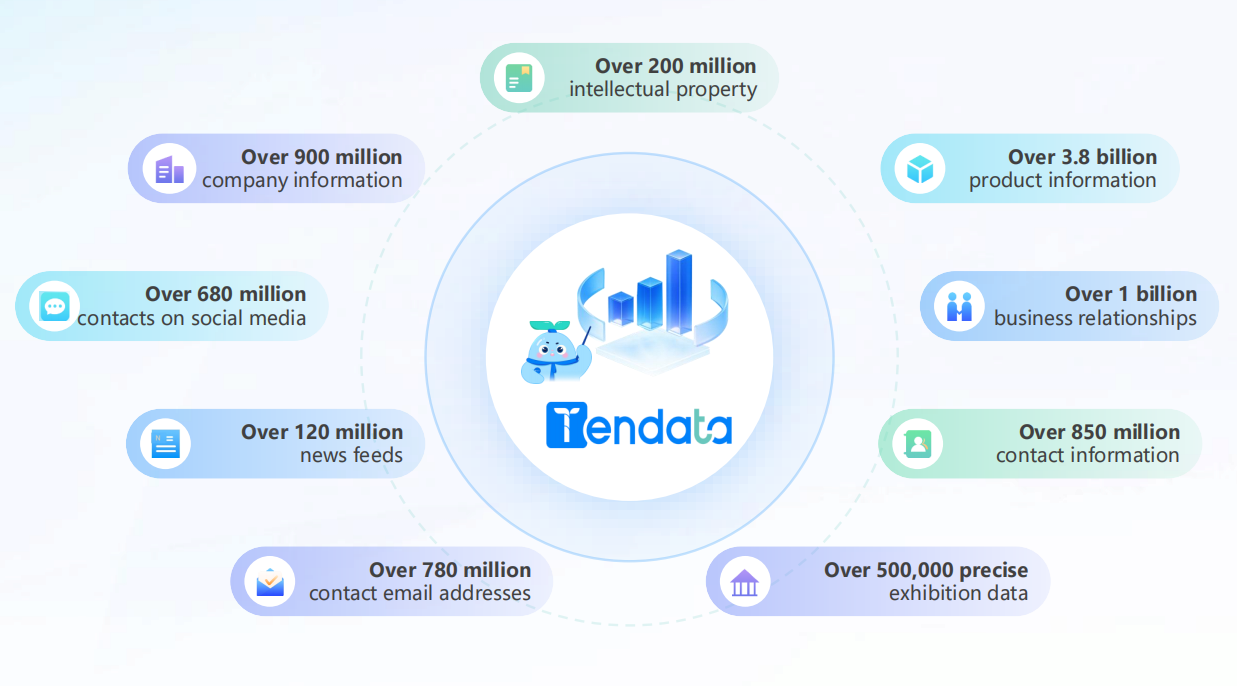
Understanding your rivals’ supply chains, pricing shifts, and market entries doesn’t require espionage—just the right data. Trade intelligence transforms raw shipping records, customs filings, and procurement patterns into a clear narrative of competitor behavior. You can spot when a competitor starts sourcing from a new supplier or suddenly increases orders of a key component, often months before their product hits the market. This early signal gives you the chance to adjust your own strategy, whether that means securing alternative suppliers, accelerating your R&D timeline, or simply preparing a counteroffer for shared buyers.
The real power lies in connecting seemingly unrelated dots. A spike in shipments of a specific material to a factory in Vietnam, paired with a decline in orders from a long-standing Chinese supplier, might reveal a production shift motivated by tariffs or labor costs. When cross-referenced with your own trade flows, these insights can highlight over-dependencies or opportunities to undercut a competitor’s pricing by renegotiating contracts before they do. Instead of reacting to a price war after it begins, you’ll already have a cost advantage locked in, because you saw the moves being set up weeks in advance.
Applying trade intelligence effectively means moving beyond one-off reports. Build a routine where your team digests weekly import-export digests for specific HS codes, monitors abnormal freight rates, and flags new consignee addresses in your target markets. Over time, patterns emerge: a competitor routinely front-loads inventory ahead of monsoon season, or consistently uses a freight forwarder known for expedited routes. This granular view of their logistics lets you anticipate service disruptions, pinpoint their most profitable customer segments, and even forecast their next expansion region—all without a single phone call to their office.
Build a Resilient Supply Chain Network
Resilience in supply chains is not about avoiding disruptions—it’s about designing a system that bends without breaking. This means moving past single-source dependencies and rigid logistics plans. Instead, weave in redundancy where it matters most: dual-sourcing critical components, holding strategic inventory buffers in key nodes, and cultivating a roster of alternate carriers. The goal is a network that feels almost organic, capable of rerouting flows when a port closes or a factory stalls, without panic or paralysis.
Technology plays a quiet but indispensable role. Real-time visibility platforms let you watch shipments move across the globe, flagging delays before they metastasize. Predictive analytics can sense shifts in demand or weather patterns that threaten routes, giving you days, not hours, to pivot. But tools alone aren’t enough—they need to be woven into a culture that values curiosity over blame. When a shipment goes sideways, the question shouldn’t be “Whose fault?” but “What does this teach us?” That shift turns every hiccup into a rehearsal for the next crisis.
Long-term resilience also hinges on relationships. Treating suppliers as partners rather than vendors unlocks flexibility. Instead of rigid contracts, consider shared risk-reward models that encourage both sides to invest in contingency planning. Diversify geographically, not just for cost, but to hedge against regional shocks—political unrest, climate events, infrastructure failures. A network that spans multiple countries with different strengths is harder to topple. And never underestimate the power of simplicity: a shorter chain with clear communication often outperforms a complex one choked by bureaucracy.
Navigate Tariffs and Regulations with Ease
Dealing with tariffs and regulations can feel like navigating a maze of paperwork and shifting rules. But it doesn’t have to be overwhelming. With clear guidance and the right approach, you can move through customs processes smoothly, avoiding common delays and unexpected costs.
We break down complex trade requirements into straightforward steps, helping you understand duty rates, documentation needs, and compliance standards for each market. Whether you’re a seasoned importer or just entering international trade, you’ll have access to practical tools and timely updates that keep you informed without the jargon.
The result is less time spent on bureaucratic hurdles and more focus on growing your business globally. You’ll ship with confidence, knowing your goods meet all necessary regulations and your bottom line is protected from hidden fees.
Spot Trends Before They Go Mainstream
Trends don’t suddenly appear out of nowhere. They brew quietly in small corners of the internet, hidden within niche forums, subreddits, or private group chats. Paying attention to these spaces—where early adopters test ideas without the pressure of mass appeal—can reveal what might later explode into the mainstream.
It also helps to watch how behaviors shift slowly. A new slang term, a style hack born out of necessity, or a collective frustration with existing tools often signals something bigger. The trick isn’t just observing but connecting these signals across different communities before they converge into a full-blown trend.
Turn Data Points into Lucrative Deals
Every customer interaction, transaction, and online footprint leaves behind valuable data points waiting to be harnessed. The real magic happens when you stop seeing these as isolated numbers and start recognizing the stories they tell. By connecting the dots between browsing habits, purchase history, and engagement patterns, you can anticipate needs before they're even voiced. This proactive approach transforms cold data into warm handshakes, opening doors to deals that feel personal and timely rather than pushy or generic.
The secret lies in layering context onto raw figures. A spike in website visits from a particular industry can signal emerging demand, while a drop in product usage might indicate an account at risk of churning—and both are opportunities dressed in data. Use these insights to craft tailored pitches that speak directly to pain points and ambitions. When your proposal lands in the inbox, it should feel less like a sales pitch and more like the logical next step, backed by evidence your prospect can’t ignore.
Finally, remember that speed matters as much as accuracy. Real-time analytics enable you to strike while the iron is hot, whether that means following up on an abandoned cart or seizing a seasonal trend. Embedding data-driven triggers into your workflow ensures no high-value signal slips through the cracks. With the right tools, every click, query, and hesitation becomes a breadcrumb leading straight to the negotiation table.
FAQ
You get access to detailed import and export records from over 80 countries, including shipment specifics, buyer and supplier identities, pricing trends, and logistics patterns.
It reveals untapped markets, shows you what competitors are shipping, and connects you with verified partners so you can make confident decisions about where and how to expand.
From small exporters looking for their first overseas client to multinationals refining their supply chains—logistics firms, trade analysts, and sourcing teams all rely on it.
Absolutely. The data streams are refreshed regularly—often daily or weekly depending on the country—so you’re always looking at near real-time activity.
You can filter by HS code, product name, country of origin or destination, shipment date, and company name, making it simple to zoom in on exactly what matters to you.
Depth and ease of use. Instead of sifting through raw government records, you get cleaned, structured insights with visual dashboards and clear competitive intelligence.
Conclusion
In today’s hyperconnected economy, the ability to act on accurate trade data separates market leaders from followers. A global import export data platform transforms fragmented shipment records into a coherent map of cross-border commerce, letting you instantly identify underpenetrated regions where demand for your goods is surging. Rather than guessing which markets hold potential, you see real-time purchase patterns, buyer concentration, and logistics flows—insights that turn a hunch into a calculated expansion strategy. At the same time, by layering competitor intelligence onto this framework, you decode sourcing shifts, pricing strategies, and supplier relationships. You learn how rivals are restructuring their supply chains, and you adapt faster, securing alternative vendors or rerouting shipments before bottlenecks hit. This kind of visibility doesn’t just sharpen your competitive edge; it fundamentally rewires how you think about risk and opportunity across borders.
Beyond market entry, the platform becomes your early-warning system and deal engine rolled into one. Trade flows whisper hints of emerging trends long before consumer surveys or headlines catch up—a spike in niche component imports, say, or a sudden drop in sourcing from a tariff-heavy region. Armed with these signals, you negotiate from a position of strength, turning raw data points into contracts with suppliers who didn’t know they needed you. Meanwhile, navigating the maze of tariffs, compliance rules, and preferential trade agreements becomes a calculated exercise rather than a legal headache. You model cost scenarios, lean on duty-saving regimes, and build a supply chain that bends without breaking. The result is not just cheaper operations, but a network so agile that disruptions in one node reroute automatically to another. This is borderless trade made practical: where every dataset feeds a decision, and every insight opens a door to a deal you couldn’t have imagined yesterday.
Contact Us
Contact Person: Grace
Email: [email protected]
Tel/WhatsApp: +86 18721992033
Website: https://www.tendata.com