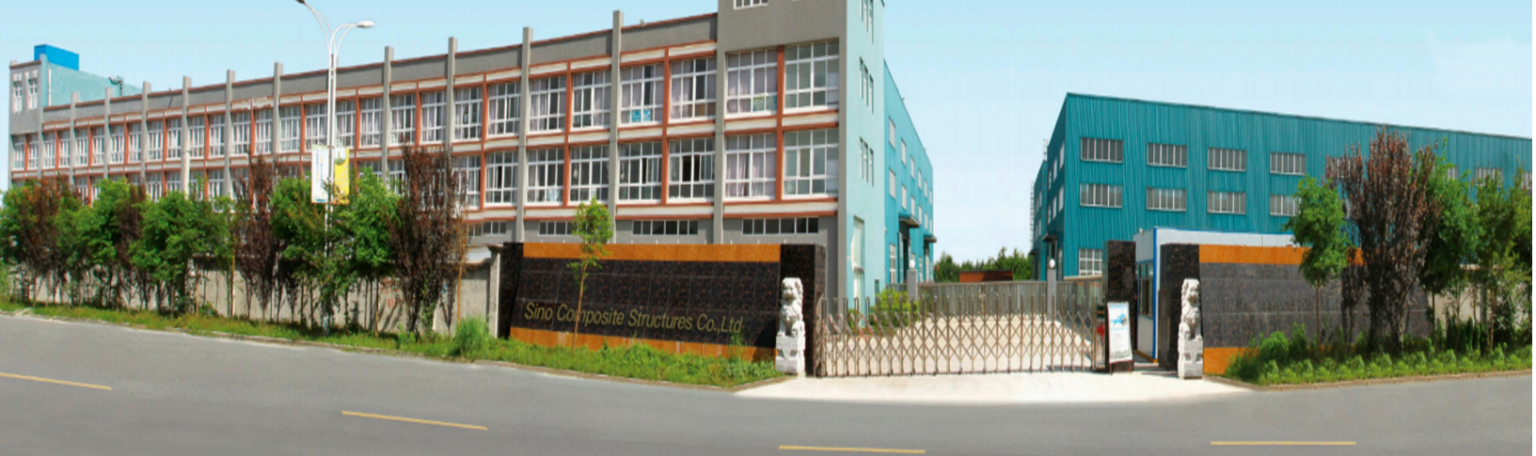

FRP Structure Company: Leading the Future of Lightweight and Durable Construction
2026-08-01
In an era where construction demands both resilience and efficiency, FRP (Fiber-Reinforced Polymer) structures are emerging as the definitive answer. Lightweight yet incredibly strong, they're reshaping industries from infrastructure to marine engineering. Leading this shift is Sino Grating, a pioneer that turns advanced composites into real-world solutions. But what exactly makes FRP the material of tomorrow? Let's explore how innovation is building a lighter, more durable future.
Redefining Construction with FRP
For decades, the construction industry leaned heavily on traditional materials like steel and concrete—reliable, yes, but also heavy, corrosive, and often stubbornly rigid. Enter Fiber-Reinforced Polymer (FRP), a composite that quietly upends these old assumptions. It’s not just lighter; it stubbornly resists rust in environments that would eat through steel in months. And its strength-to-weight ratio? That’s where things get interesting, especially when you’re designing structures that seem to float rather than sit.
What really sets FRP apart is how it reshapes the very rhythm of a project. Prefabricated components arrive on-site like precision-cut puzzle pieces, snapping into place with minimal heavy lifting. No welding sparks, no concrete-curing delays—just a cleaner, faster assembly that often avoids the usual cacophony of a construction zone. Architects are starting to notice, too, because FRP’s moldability frees them from the tyranny of straight lines and right angles, giving rise to forms that once lived only in renderings.
But the shift runs deeper than convenience or aesthetics. When bridges and buildings need less maintenance over their lifespan, the long-term economics start to tilt in FRP’s favor. Repair crews aren’t constantly patching spalled concrete or coating steel against the elements. And in an era where resilience matters more than ever—against earthquakes, harsh coastal winds, or chemical exposure—this composite quietly rewrites the rulebook on what a durable structure can be.
The Strength Behind Lightweight Materials
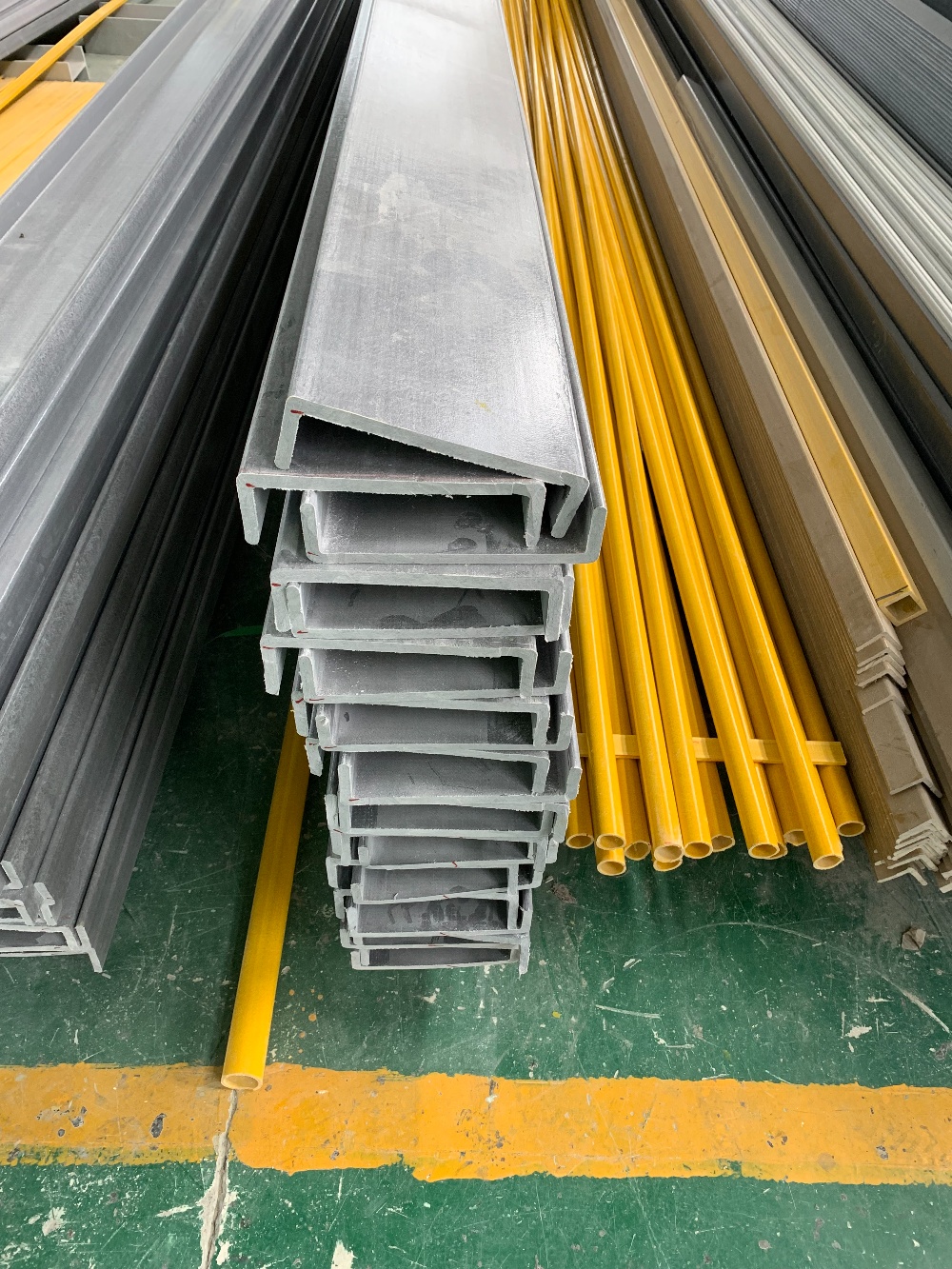
Lightweight materials defy a common assumption: that strength must come with weight. The secret often lies in their internal architecture. Take carbon fiber composites, for example. They are built from ultra-thin carbon filaments, tightly woven and embedded in a resin matrix. This structure distributes stress across countless microscopic bundles, allowing the material to withstand enormous loads while remaining remarkably light. It’s not about being solid and dense; it’s about intelligent design at the smallest scale.
Another layer of strength comes from how these materials respond to force. Some, like advanced aluminum alloys, deform in a controlled way that absorbs energy without fracturing suddenly. This ductility, combined with optimized grain structures achieved through special thermal treatments, turns a thin sheet into a resilient barrier. The result is a material that doesn’t just resist impact—it manages it, much like a martial artist rolling with a punch rather than stiffening against it.
The real breakthrough happens when these materials are integrated into larger systems. From aircraft fuselages to bicycle frames, engineers strategically place reinforcement only where the highest stresses occur. 3D-printed titanium lattice structures, for instance, mimic bone’s porous interior, providing support precisely where needed and eliminating unnecessary mass. This strategic application of strength makes lightweight materials not just a compromise, but a smarter way to build—leveraging geometry and material science to do more with far less.
Real-World Applications of FRP Structures
FRP (Fiber-Reinforced Polymer) structures have quietly reshaped modern infrastructure, offering solutions where traditional materials fall short. From pedestrian bridges in remote mountain trails to large-scale cooling towers in power plants, the material’s corrosion resistance and light weight make it a go-to choice for harsh environments. In coastal areas, FRP-reinforced concrete jetties withstand saltwater attack without the constant maintenance steel requires, while in chemical plants, FRP gratings and handrails resist acid fumes that would rapidly degrade metal. These applications aren’t just functional—they often reduce long-term costs so sharply that owners recoup the initial investment within a few years.
Beyond industrial settings, FRP has found its way into iconic architecture and rapid construction projects. Architects exploit its moldability to create sweeping, free-form roofs and translucent facades that bathe interiors in diffuse daylight—impossible with heavier materials. Temporary bridges made of pultruded FRP profiles can be installed overnight in disaster zones, and modular decks speed up highway rehab with minimal traffic disruption. The aerospace and automotive industries have long known its benefits, but civil engineering is now catching up, using FRP wraps to strengthen aging concrete columns without adding bulk. The material’s non-conductive nature also makes it safe for railway platforms and electrical substations.
A less obvious but growing application is in water management. FRP pipes and storage tanks resist chlorine and biological attack, keeping drinking water pure and cutting leakage rates. Underground, FRP manhole covers eliminate theft risk since they have no scrap value, and in seismic zones, the material’s flexibility helps absorb earth movements that would crack steel-reinforced concrete. Even renewable energy leans on FRP: wind turbine blades over 100 meters long rely on glass and carbon fiber composites to spin efficiently without snapping. Each use case proves that FRP isn’t merely a substitute—it’s an enabler of designs and durability levels once thought impractical.
Innovation That Lasts a Lifetime
Great products don’t just impress on day one—they keep earning their place in your life for years. We build with a long view, choosing materials and engineering approaches that resist wear, obsolescence, and fads. Every component is tested beyond its expected lifespan, so the experience you have on year five feels nearly identical to the first unboxing.
Software plays an equal role in longevity. Regular updates don’t just patch bugs; they introduce thoughtful improvements that adapt to how your needs evolve, without slowing down the core experience. This means a device you bought three years ago still feels current, responsive, and deeply personal—not a relic you’re pressured to replace.
Above all, lasting innovation means reducing waste and respecting the resources that went into making each product. By designing for repairability and recyclability, we extend the lifecycle far beyond industry norms. The goal isn’t just a longer-lasting product—it’s a relationship that deepens over time, proving that the most meaningful innovations are the ones that endure.
Why Choose FRP Over Traditional Materials?
FRP materials offer a compelling blend of lightweight strength that traditional options like steel or concrete simply can’t match. This means easier handling during installation, reduced structural load, and ultimately lower transportation and labor costs. Whether it’s for walkways, platforms, or industrial grating, the high strength-to-weight ratio translates into real-world efficiency without sacrificing durability.
Another standout advantage is FRP’s inherent resistance to corrosion and harsh environments. Unlike metal, it won’t rust, and unlike wood, it won’t rot or warp when exposed to moisture, chemicals, or saltwater. This makes it a go-to choice for marine, chemical processing, and water treatment applications where longevity matters. Maintenance becomes minimal, and replacement cycles stretch far beyond those of traditional materials.
Design flexibility is also a game-changer. FRP can be molded into complex shapes and customized with different resins, colors, and surface textures, all while maintaining structural integrity. It’s non-conductive and non-magnetic, too, making it ideal for electrical and infrastructure projects. In a world where every project has unique demands, FRP adapts in ways that concrete, steel, and timber simply can’t.
Sustainable Building for the Future
As we look ahead, the way we construct our homes and workplaces is undergoing a profound shift. It's no longer enough to simply put a roof over our heads—today's designs must harmonize with nature, reducing waste and energy use while enhancing human well-being. This means rethinking every material, from reclaimed wood that tells a story to innovative composites that breathe like skin. The goal is a built environment that gives back more than it takes, turning buildings into regenerative assets rather than resource drains.
At the heart of this movement is the concept of adaptive longevity. Instead of static structures that become obsolete, tomorrow's buildings will evolve with their occupants and climate conditions. Imagine walls that adjust their insulation in response to outside temperatures, or living roofs that manage stormwater while providing habitat. These aren't distant fantasies—they're emerging realities driven by biomimicry and smart technology. By learning from forests and organisms, we can create spaces that self-regulate, repair, and even purify the air around them.
Equally vital is the social dimension. A truly sustainable building strengthens community bonds and local economies. It might incorporate shared green spaces where neighbors grow food, or use modular components crafted by regional artisans. The materials should not only be non-toxic but also sourced in ways that support fair labor and biodiversity. When we build with an eye to future generations, every brick and beam becomes a commitment to a healthier, more equitable world—one where architecture heals rather than harms.
FAQ
The company combines deep material science expertise with hands-on engineering experience. Instead of off-the-shelf solutions, they work closely with clients to tailor FRP components that precisely match load and environmental requirements, often reducing structural weight by up to 70% compared to steel.
FRP offers a unique blend of high strength and low weight, but the real advantage is its resistance to corrosion and fatigue. There’s no need for protective coatings or ongoing maintenance, which cuts lifecycle costs dramatically. Plus, it’s easier to transport and install, especially in remote or constrained sites.
One striking case was a pedestrian bridge in a coastal area where salt spray had corroded the steel supports within a few years. The replacement FRP bridge has been in place for over a decade with zero maintenance, and the installation took half the time because the sections were so light.
We’re seeing strong uptake in marine infrastructure, chemical processing plants, and renewable energy. Anything exposed to moisture, chemicals, or constant vibration benefits. Recently, there’s also growing interest from architects who want to create complex, free-form shapes that would be impractical with steel.
It starts with rigorous material testing under simulated environmental conditions—UV exposure, thermal cycling, chemical immersion. Then, every project uses a design approach that accounts for fatigue and creep over the intended lifespan. On-site quality control checks during fabrication and installation catch issues early.
The team is exploring hybrid systems that combine FRP with bio-based resins to further reduce the carbon footprint. There’s also a push into modular FRP building systems that can be assembled rapidly for disaster relief housing or temporary facilities without sacrificing durability.
It’s lighter to transport, which lowers fuel use, and its longevity means fewer replacements. While the production of resins isn’t carbon-neutral, the total lifecycle impact often beats steel, especially when you consider the elimination of maintenance activities like painting or repair. The company is actively sourcing greener resin options.
Conclusion
At FRP Structure Company, the way we approach construction is fundamentally shifting through the use of advanced fiber-reinforced polymer technology. The inherent lightness of FRP belies its extraordinary strength, opening up architectural and engineering possibilities that traditional materials simply cannot match. This is not just about creating lighter structures; it's about redefining what is possible in environments where weight, corrosion, and durability are critical factors. From pedestrian bridges that blend seamlessly into natural landscapes to robust industrial platforms enduring extreme chemical exposure, and from sleek architectural facades to marine pilings resisting relentless saltwater, FRP structures are proving their mettle every day. The company’s commitment to enduring innovation means every design is optimized for lifelong performance, resisting fatigue, impact, and weathering without the deterioration that plagues conventional materials. With each installation, FRP Structure Company demonstrates that the future of construction is one where strength and lightness coexist effortlessly.
Opting for FRP over steel, wood, or concrete is a forward-looking choice grounded in life-cycle economics and environmental stewardship. The near-zero maintenance requirements cut operational costs dramatically, while the material’s recyclability and lower energy consumption during production align seamlessly with sustainable building goals. In a world demanding resilient infrastructure that can withstand climate challenges, FRP stands out as a solution that doesn't rust, rot, or corrode. It's a material for long-term thinking—where reduced resource use and extended service life come together to minimize ecological impact. FRP Structure Company is at the forefront of this transformation, engineering products that don't just perform today but are built to serve communities responsibly for decades to come. By blending lightweight durability with unwavering sustainability, the company is truly leading the construction industry into a new era—one where strength and eco-conscious design are no longer trade-offs but natural partners.
Contact Us
Contact Person: Nicholas Zhu
Email: [email protected]
Tel/WhatsApp: 18921275456
Website: https://www.sino-grate.com