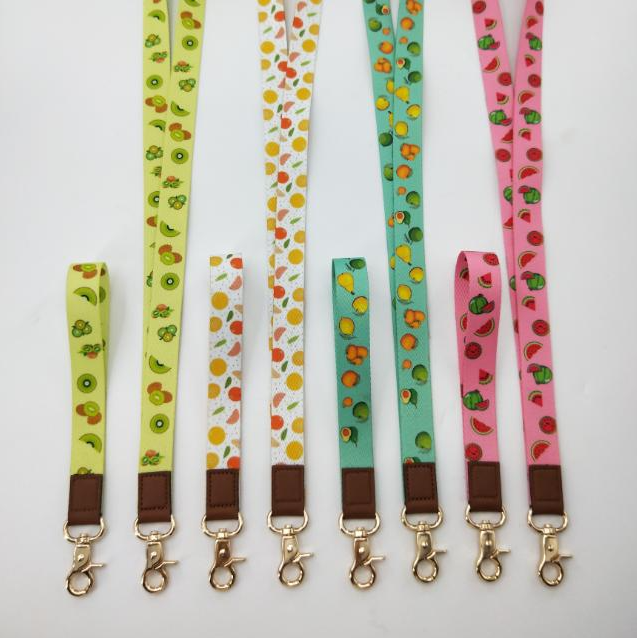

Elastic Wristband Manufacturer Insights for Crafting Durable Custom Straps
2026-10-13
When it comes to crafting custom elastic wristbands that survive daily wear and tear, most advice online barely scratches the surface. As a manufacturer with years of hands-on production experience, DONGCHUANG has learned exactly where shortcuts fail and where small design choices make all the difference. In this post, we’re pulling back the curtain on the material, stitching, and finishing details that separate a forgettable strap from one your customers will actually keep wearing.
The Hidden Cost of Cheap Elastic in Custom Wristbands
That bargain reel of elastic might look like a smart way to trim the budget, but it starts unraveling the moment someone actually wears the wristband. Stretch it a few times and the fibers lose their snap, leaving the band either strangling the wrist or sliding down to the knuckles. By the second day of a festival, half your attendees have swapped their keepsake for a rubber band from the catering tent — not exactly the lasting impression you paid for.
Event organizers often discover the real price when a pallet of wristbands arrives with the elastic already brittle from cheap vulcanization. You hand them out at the gate, and by noon the security team is waving through people holding two broken halves. Rush-order replacements with overnight shipping can cost more than the original order, not to mention the staff hours spent apologizing. The "savings" evaporate before the headliner even takes the stage.
Then there’s the quieter damage: a wristband that feels like sandpaper against the skin gets tossed in the trash instead of posted on Instagram. Attendees remember the scratchy annoyance, not your logo. Spending a few extra cents per unit on elastic with proper recovery and a soft hand actually builds goodwill — people keep the band, wear it for weeks, and your brand rides along. Cheap elastic doesn’t just break; it quietly burns the bridge between a one-time visitor and a returning fan.
How We Keep Printed Logos From Cracking After Weeks of Wear
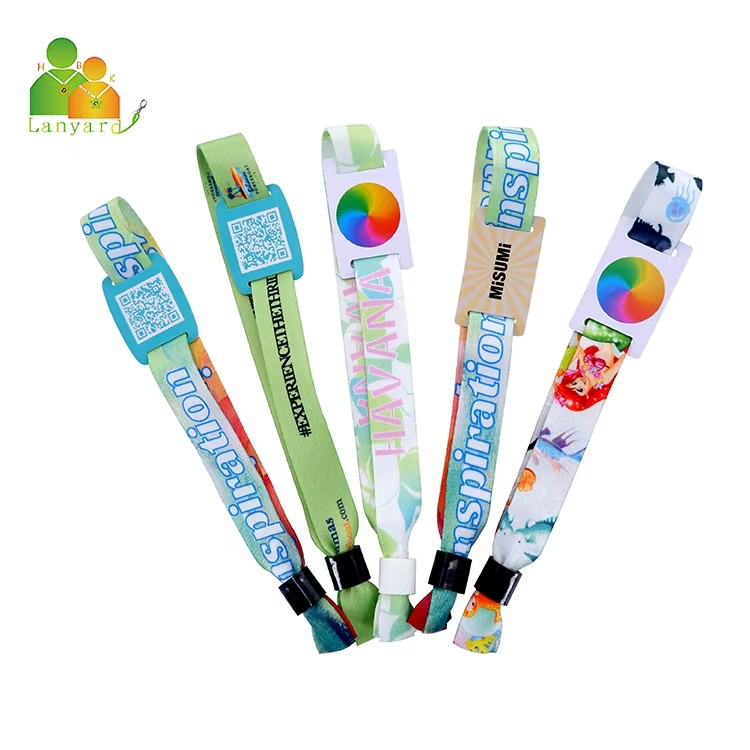
Most cracking comes down to the ink film being too rigid for the fabric's flex. We start by thinning our inks with a curable reducer, not water, so the pigment sits deeper in the weave instead of floating on top. Every shirt goes through a low-tension screen pass that pushes just enough ink through to coat the fibers without building a thick, brittle layer.
The real difference is in the cure. Instead of blasting the print at high heat for a short burst, we use a conveyor dryer with a slower belt speed and a lower peak temperature, around 320°F for 90 seconds. That lets the plastisol cross-link gradually, so it stays elastic rather than turning glassy. After curing, we stretch the collar, sleeve, and chest area by hand on a sample from each batch—if the print shows micro-cracks at 30% stretch, we adjust the dwell time before the full run.
We also run a 40-hour wash-and-wear simulation on prototype prints using a lab pumice stone and enzyme detergent. This catches edge lifting that only appears after repeated friction. The logos that pass are the ones where the ink has bonded into the cotton’s twist, not just onto the surface, so they bend with the fabric instead of fighting it.
Molding vs. Sewing: Which Method Actually Holds Up?
When people argue about whether molding or sewing lasts longer, the real question usually gets skipped: what kind of abuse are you actually putting the thing through? A molded piece fuses materials into one continuous shell, so there are no seams to burst. But when the material itself fatigues or the adhesive bond gives out, a crack can sprint from a single stress point and ruin the whole part. Sewing, on the other hand, tends to fail more gradually. Stitches may fray, but you can patch them locally, and the slight give between sewn panels actually helps absorb shock instead of concentrating it.
In wet or constantly flexing conditions, molded construction often wins because there are no needle holes for moisture to sneak through. But if you're dealing with sharp edges or repeated tugging, sewn seams are surprisingly tougher — a broken thread is a five-minute fix, while a cracked molded shell usually means the dumpster. I've seen outdoor packs fail both ways: molded bases develop irreversible spider cracks at the corners, while sewn bags blow out a seam and still manage to limp back to camp.
At the end of the day, you're choosing between two failure styles. Molding is all-or-nothing: fine one second, catastrophic the next. Sewing degrades slowly and gives you warning signs. Neither method is universally better. If you're hard on gear in rough environments and want water resistance plus a clean profile, the gamble of molding might pay off. If you'd rather keep something for years and don't mind a needle and thread now and then, sewn construction will probably outlive your expectations.
Stretch Recovery: The Metric Most Buyers Overlook
Most buyers get tunnel vision on tensile strength or elongation at break, and they never stop to ask how a material behaves after it has been stretched and then allowed to rest. That silent window of recovery is where real performance differences hide. Two fabrics can both stretch to 150% under load, yet one snaps back almost completely within seconds while the other sags into a permanent baggy mess after a single workout. If your product relies on snug fit over time—leggings, compression sleeves, fitted upholstery, even medical wraps—you feel that difference long before you can measure it.
The overlooked metric here is stretch recovery, usually expressed as a percentage of original dimensions regained after a standard stretch-and-rest cycle. A material with 95% recovery returns nearly to its starting shape; one with 80% recovery leaves a visible 20% deformation that compounds with every use. Testing protocols vary, but the principle stays the same: apply a known elongation for a set time, release it, wait a fixed rest period, then measure what remains. What surprises many buyers is that recovery is not just a property of the fiber—it depends heavily on knit or weave structure, finishing treatments, and even ambient humidity. The same spandex content can behave completely differently in a tightly knitted interlock versus a loose jersey.
If you are sourcing materials for anything that gets pulled, worn, or stretched repeatedly, add recovery to your specification sheet before you place the next order. Request actual test data with the exact elongation level and rest time stated, not just a vague "good recovery" claim. Compare candidates under the same conditions, because a 10% difference in recovery can mean the difference between a product that looks new after a year and one that looks tired after a month. The metric costs nothing extra to ask for, but it quietly determines whether your end customer feels premium quality or premature failure.
Designing Straps for Sweat, Sunscreen, and Salt Water
The biggest failure point on outdoor straps is rarely the clasp or the weave—it's the junction where body oils, lotion films, and dried salt collect. We start with a closed-cell fluoropolymer-coated elastomer base that sweat and sunscreen can't soak into. Instead of relying on a single surface treatment, the retention grooves are cut at a 15-degree outward angle so residue slides toward the edges rather than pooling under the hardware.
Salt water presents a different challenge because it dries into crystals that abrade stitching and buckle springs. Here the strap uses titanium alloy pins and a silicone sheathing that flexes enough to crack off salt deposits with normal movement. Sunscreen chemicals like avobenzone and octocrylene are known to destabilize nylon, so we avoid woven synthetics entirely on high-contact zones. The result is a strap that doesn't need to be rinsed after every swim, though a quick freshwater splash will keep the buckle action smooth for years.
When a Big Order Changes Everything About the Build
The moment the purchase order landed, the entire shop shifted. What had been a tidy, small-batch workflow suddenly had to accommodate triple the volume, and every prior assumption about lead times, material sourcing, and even the physical layout of the assembly area went out the window. We stopped thinking in terms of individual units and started designing the build around pallet density, repeatable jigs, and the kind of quality checks that only make sense when you're producing enough to justify them.
That single order also rewrote the relationship with suppliers. One-offs let you get away with whatever stock is on hand; a big order forces you to negotiate blanket pricing, schedule deliveries in waves, and sometimes redesign a component simply because the original material isn't available in the required quantity without a twelve-week wait. It's not just scaling up - it's a different build altogether, with different risks and a different definition of what 'done' looks like.
FAQ
It rarely comes down to a single material. Durable straps usually combine a tightly woven polyester outer with a latex or silicone core, cut edges that are heat-sealed instead of raw, and nylon stitching rather than cotton. The print or weave should also flex without cracking, so inks and yarns need to be selected for stretch recovery, not just color accuracy.
Start with the end use. Woven bands keep complex logos crisp and resist fraying when the edges are sealed properly. Knitted versions feel softer against skin and are better for all-day wear, though fine text can lose definition. Printed straps are economical and fine for short events, but expect the graphic to degrade faster under friction and sweat.
Most people focus on the front design and forget how colors shift when the band stretches, whether the inner side will chafe, how tight the sizing should be after recovery, and what kind of closure or packaging works for distribution. Asking for a stretch test photo and a sample before full production catches most of these issues early.
Pre-stretching the elastic before cutting, heat-setting the woven or knitted fabric, and balancing the latex or silicone content all affect how well a band returns to shape. A manufacturer that skips heat-setting may produce straps that sag after a few wears, even if the material spec looks fine on paper.
Beyond a visual check, they run repeated stretch cycles often in the tens of thousands, expose samples to artificial sweat and UV light, and wash them to measure shrinkage and color bleed. If a supplier cannot describe their testing method clearly, the durability claims are probably guesswork.
Silicone resists water and chemicals extremely well and keeps its shape for years, but it can tear if nicked and feels heavier on the wrist. Fabric elastic is lighter and more comfortable for prolonged use, yet it will eventually absorb oils and fade. For gyms or events with heavy sweating, fabric with a silicone core often strikes the best balance.
Focus on width, edge finish, and backing. A band around 15 to 25 millimeters wide spreads pressure, rolled or sealed edges prevent digging into skin, and a soft brushed backing or silicone-free inner layer reduces irritation. Also avoid placing large solid ink blocks where the wrist bends repeatedly.
Premature failure tends to come from cotton thread rotting with sweat, raw edges unraveling, latex cores degrading under heat, or metal hardware rusting. Specifying nylon thread, sealed edges, silicone-based cores for hot climates, and plastic or coated metal closures eliminates most of these weak points before production starts.
Conclusion
Many buyers assume elastic is elastic, but the cost difference between cheap and quality material shows up quickly in custom wristbands. Low-grade elastic loses tension after a few wears, leaving straps baggy and logos distorted. We test stretch recovery because that metric tells you how the band will feel after months, not just on day one. Printed logos need a stable surface, so we pair the right elastic with a printing method that keeps ink flexible rather than brittle. Molding often outlasts sewing for high-stretch areas, since stitches can tear under repeated stress, but the best choice depends on the shape and how the strap is used.
For outdoor or active wear, sweat, sunscreen, and salt water break down many elastics and adhesives. We select materials and coatings that resist those elements without making the band stiff or uncomfortable. When a large order comes in, the production process shifts: material sourcing, tooling, and quality checks all change because consistency matters more at scale. A prototype that works for fifty units can fail at five thousand if the elastic core or seam method isn't rethought. This is why we treat durability as a design problem, not just a material upgrade, and test the finished strap under realistic conditions before it ships.
Contact Us
Contact Person: Bill Huang
Email: [email protected]
Tel/WhatsApp: 8613829102720
Website: https://www.dclanyard.com