

Commercial Window Shades Factory: What Buyers Need to Know Before Partnering
2026-11-02
Most sourcing guides will tell you to compare quotes and check certifications. But after years of manufacturing commercial window shades, we've seen what actually separates a reliable factory from an expensive problem. From lead-time traps to fabric inconsistencies, the decisions you make before signing a contract dictate project success. That's why ROLLERGY is sharing the unfiltered factors buyers often overlook. Whether you're outfitting a hotel, office tower, or hospital, this guide gives you the practical questions to ask—before it's too late.
Where Your Fabric Actually Comes From — and Why It Matters
Most of us can name the brand on a shirt tag, but almost no one can say where the cotton was picked or which refinery cracked the oil into polyester pellets. The journey from raw fiber to finished textile is deliberately opaque, crossing multiple countries and subcontractors, so a simple “Made in Italy” label often hides Uzbek cotton, Indonesian spinning, and Chinese dyeing.
This matters because the environmental and social costs sit inside that fog. Cotton grown in water-stressed regions drains rivers, while polyester sheds microplastics with every wash. Garment workers in one factory may be unionized and monitored, while workers two tiers down in the same supply chain are invisible to audits. Knowing the actual origin lets buyers push back on forced labor, excessive water use, or toxic dye runoff instead of settling for a logo.
Tracing fabric back to its source also changes how we value the material itself. A wool sweater from a specific New Zealand station or a linen shirt from Belgian flax fields carries a measurable history—soil health, farming practices, spinning methods. Once you see that link, the cheaper option starts to look less like a bargain and more like a hidden invoice.
The Sample Trap: What a Swatch Won’t Tell You About Production Runs
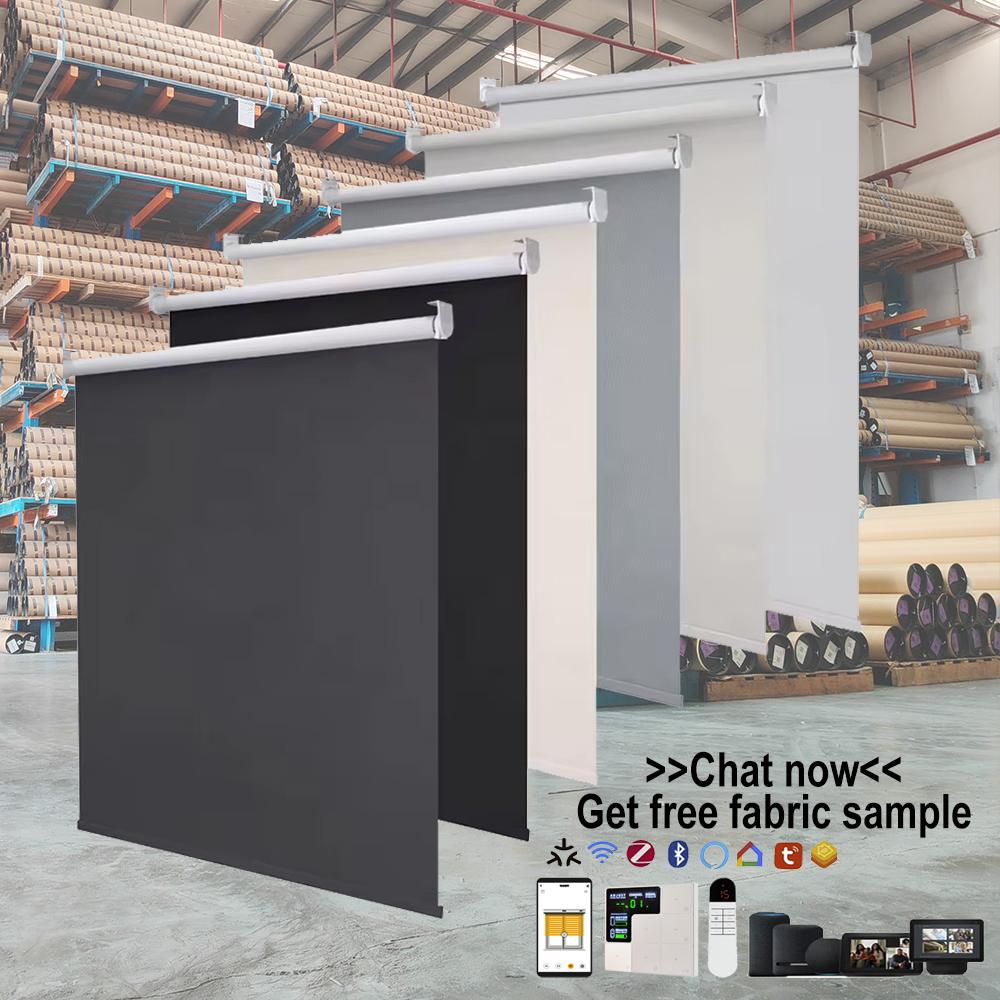
A swatch is a seductive little promise. It arrives hand-cut, steamed, and often sourced from the very best yardage the mill has on hand. The color is rich, the hand is perfect, the drape is exactly what you imagined. But that five-inch square has never survived a thousand cycles of industrial cutting, a shift change at the sewing line, or a dye lot that drifted three shades toward green. What you are approving is a controlled snapshot, not a forecast of what will roll off a container ship three months later.
Production runs introduce variables that no swatch can disclose. Fabric is knitted or woven in massive batches, and tension, humidity, and machine speed all shift the final weight and stretch. Trims get substituted when a supplier runs short. A seam that lies flat on a hand-sewn sample can pucker after automated overlocking at full speed. Even the best factory will not replicate the precision of a single, carefully made prototype across ten thousand units.
The gap between swatch and bulk is where quality quietly erodes. You may notice it first in the wash tests—shrinkage that was acceptable on the sample becomes a full size smaller after repeated laundering. Or the color that looked deep and even in the showroom now has barre marks and shading across a sleeve. None of this is visible in a tiny square. To know what a production run will actually deliver, you need to inspect the first off the line, pull random pieces from the middle of the run, and wash them repeatedly before signing off.
Custom Hardware Isn’t a Side Note — It’s the Real Test
Most teams treat custom hardware as an afterthought, a box to check once the software feels stable. That mindset quietly guarantees failure. The moment your code leaves a generic dev board and lands on a purpose-built PCB, everything shifts: timing margins tighten, power rails sag under load, and thermal quirks emerge that no simulator predicted. Hardware isn't just a packaging decision—it's the crucible where your architecture either holds up or collapses.
What separates serious products from prototypes is how early you force that collision. Bring up a custom board in week two, not month six. You'll discover that a sensor's I2C address conflicts with an EEPROM, that your watchdog resets because a voltage supervisor trips during inrush, or that the antenna placement kills range in exactly one orientation. These failures aren't setbacks; they're the actual design feedback you can't get from a reference manual or a vendor's evaluation kit.
The real test isn't whether the board powers on—it's whether your firmware and PCB were designed as one system. When you stop treating hardware as a peripheral concern, you stop shipping devices that work in the lab and fail in the field. Custom silicon-level constraints force you to make trade-offs that pure software projects never see, and those trade-offs are what ultimately define a product's reliability and lifespan.
Lead Times Are a Negotiation, Not a Promise
The moment a supplier sends over a lead time, most teams treat it like a fixed deadline. But lead times are rarely carved in stone—they’re shaped by capacity, order sequencing, and how much the vendor values your account. Treating that initial number as the end of the conversation leaves money and flexibility on the table.
Skilled buyers push back with questions: What would it take to cut that by two weeks? Is there idle capacity on a parallel line? Can we split the shipment to get partial stock sooner? These aren’t confrontational demands; they’re invitations to co-design a schedule that works for both sides. Often, the supplier has slack they won’t volunteer unless prompted.
Of course, negotiation cuts both ways. If you demand an unrealistic date just to feel in control, you’ll get a paper promise that crumbles after the first delay. The goal isn’t to squeeze until something breaks—it’s to discover the real constraint and trade value against it, whether that’s a premium freight cost, a partial order, or a re-sequenced production run.
How to Verify a Factory’s Claims Without Stepping on Site
A polished brochure and a string of certificates tell you very little about what actually happens inside a factory. Instead of relying on prerecorded videos or carefully staged photos, request a live walkthrough via video call. Ask the person holding the camera to move slowly, pan across the production floor, zoom in on machinery labels, and show the raw material storage area. If they hesitate or try to steer you toward a specific corner, that hesitation is data too. Real production floors have noise, clutter, and workers who don't look up on cue.
Cross-check every claim against a source the factory doesn't control. If they say they hold ISO 9001 or BSCI certification, go to the certifying body's public database and confirm the certificate number, scope, and expiry date. Pull customs or shipment records through a trade data platform to see whether their export volume matches the story they're telling. Also compare their claimed capacity against utility usage or headcount figures if available—those numbers rarely move in perfect sync with a sales script.
Finally, get physical evidence from the actual production line. Ask for samples pulled at random from current inventory, not handpicked 'golden samples.' Better yet, hire a local third-party inspector to conduct an unannounced mini-audit—just a few hours of checking materials, workmanship, and packing. Many inspection firms offer lightweight remote verification packages that cost a fraction of a full audit but still give you eyes on the ground. Combine that with a live video check and independent data, and you'll have a clearer picture than most buyers get after a rushed site visit.
Pricing That’s Too Good Is a Different Kind of Risk
When a price feels dramatically lower than what the market typically expects, buyers often start asking a different set of questions. Instead of celebrating the savings, they wonder what has been cut to make the number work. Is the product made from cheaper components? Will support disappear after the sale? Does the vendor understand the full scope of the job? A suspiciously low figure can quietly shift attention away from value and toward hidden compromises.
This type of risk is harder to measure than an inflated quote, but it tends to surface later. Teams may budget for the initial purchase and then face unexpected costs for onboarding, customization, or fixes. In some cases, the low price is a symptom of a business that cannot sustain itself, which means the buyer inherits instability. The bargain becomes a liability once the provider cuts corners or vanishes.
Smart evaluation treats extreme discounts as a prompt to dig deeper. Ask for a breakdown of what is included, check how the vendor handles revisions or service requests, and compare not just the sticker price but the total cost across a realistic timeframe. A fair price should feel neither inflated nor desperate. When the number is too good, the most rational response is to slow down and find out why.
FAQ
Ask for a live video walkthrough that shows cutting tables, roll forming machines, fabric storage, and assembly stations in operation. Request the business license with the factory address and recent production photos or a dated video from the current week. If they hesitate to show the shop floor or only share showroom images, treat that as a red flag. Serious buyers can also arrange a third-party audit.
Commercial projects usually require a specific test report tied to local building codes, such as NFPA 701, CA Title 19, or EN 13501-1. Do not accept a generic fire retardant fabric label. Ask for the full test certificate and confirm the report matches the exact fabric batch you will receive. Independent lab results from SGS or TÜV carry far more weight than a supplier's own declaration.
Most factories will send standard swatch books or small cuttings at no charge, but custom colors or specialty fabrics often carry a sample fee. Ask for pieces taken from the actual production inventory rather than a polished showroom set. Include a fabric specification card with composition, weight, openness or blackout level, and fire rating. For key projects, request one fully assembled shade to check stitching, hem alignment, and smooth operation.
Lead times depend on order size and customization. A standard mid-size run using stock fabric typically takes three to five weeks, while custom imported textiles or motorized systems can push to six to eight weeks or longer. Ask about current factory capacity and peak-season scheduling before you commit. Lock partial shipment dates and delay penalties into the contract. Extremely short promises often mean the factory is reselling stock or outsourcing production.
A reliable factory will offer at least one to two years on mechanical parts, while motors may carry a longer warranty from the brand supplier. Clarify whether the warranty covers fading, warping, or operation failure, and how overseas projects handle replacement parts. Ask for a spare parts list and installation or troubleshooting videos upfront. If the factory only reacts after something breaks, that is a weak support structure.
Not every factory has in-house experience with motorized systems, so verify which motor brands they integrate with, such as Somfy, Dooya, or Lutron. Ask for wiring diagrams, control protocols, and commissioning support to avoid problems during smart building integration. If they only provide the shade body and expect you to source motors separately, you need to coordinate extra engineering work yourself.
Check whether packing, domestic freight, export pallets, mounting brackets, screws, remote controls, switches, inspection fees, and documentation charges are included. Some factories quote only the bare shade and then add these as separate line items later. Request a complete bill of materials and clarify which accessories are optional, which are mandatory but missing, and who pays for export formalities.
Conclusion
When you're sourcing commercial window shades, the first thing to question is where the fabric actually comes from. Many buyers assume the swatch they receive matches what will arrive in a production run, but that's rarely guaranteed. A factory might send you a high-end sample from one supplier while the bulk order uses cheaper material from another. Ask for documentation—mill certificates, fiber content reports—and don't accept vague answers. Similarly, custom hardware is where factories often cut corners. Brackets, clutches, and chain systems are just as important as the shade itself; a factory that treats them as an afterthought will likely fail in real-world use. Ask to see the hardware specs and third-party test results before you commit.
Lead times deserve more than a casual confirmation. They are a negotiation, not a promise, and any factory that gives you a firm date without asking about your location, order size, or customization details is probably guessing. Build buffer time into your planning and get the schedule in writing with penalties for delays. If you can't visit the factory, don't rely on glossy photos. Request a live video walk-through, ask for references from current buyers in your region, and look for red flags like inconsistent answers on production capacity. Finally, be wary of pricing that seems impossibly low—it usually hides something, whether that's thinner fabric, cheaper hardware, or skipped quality checks. A slightly higher quote with transparent sourcing and testing documentation is almost always cheaper in the long run.
Contact Us
Contact Person: Vivien Cheng
Email: [email protected]
Tel/WhatsApp: +86 13751758835
Website: https://www.rollergytech.com/