

Cleaning Furnace: Best Practices Every Industry Professional Needs
2026-08-19
A dirty furnace doesn't just waste fuel—it silently eats into your bottom line and shortens equipment life. Yet many industry pros still rely on outdated cleaning habits that do more harm than good. In this guide, we cut through the guesswork and lay out the best practices that actually matter. Whether you're a seasoned technician or a plant manager, these proven steps will change how you approach furnace maintenance. Brought to you with practical insights from THINKING-LONG, your partner in industrial efficiency.
Shut Down, Lock Out, and Test the Atmosphere Before Opening
Before any hatch, flange, or cover comes off, the energy behind it has to be fully isolated. Shut down the equipment using its normal stopping procedure, then apply lockout/tagout devices to every isolation point—valves, breakers, switches, and any stored energy source. Verify zero energy state by trying to restart the equipment and checking pressure, temperature, and electrical readings. This step is not a formality; it prevents the exact moment when a line unexpectedly re-energizes while someone is in the path.
Once isolation is confirmed, make the atmosphere earn your trust. Use a calibrated multi-gas detector to check oxygen levels, flammable gases, and toxic contaminants at multiple depths and corners, not just at the opening. Record the readings and compare them against the entry or work permit limits. If the numbers do not hold steady or the detector alarms, stop and ventilate longer—never assume a single clear reading means the space stays safe once work begins.
Only after the lockout is verified and the gas tests are stable should opening proceed. Have the permit, rescue plan, and communication method in place before breaking the seal. Even then, treat the first opening as a change in conditions—crack the cover slowly, monitor the atmosphere continuously, and pause if anything drifts from the expected range. The goal is not just to open, but to open without creating a release, ignition, or exposure.
Why Your Furnace Lining Material Changes Everything
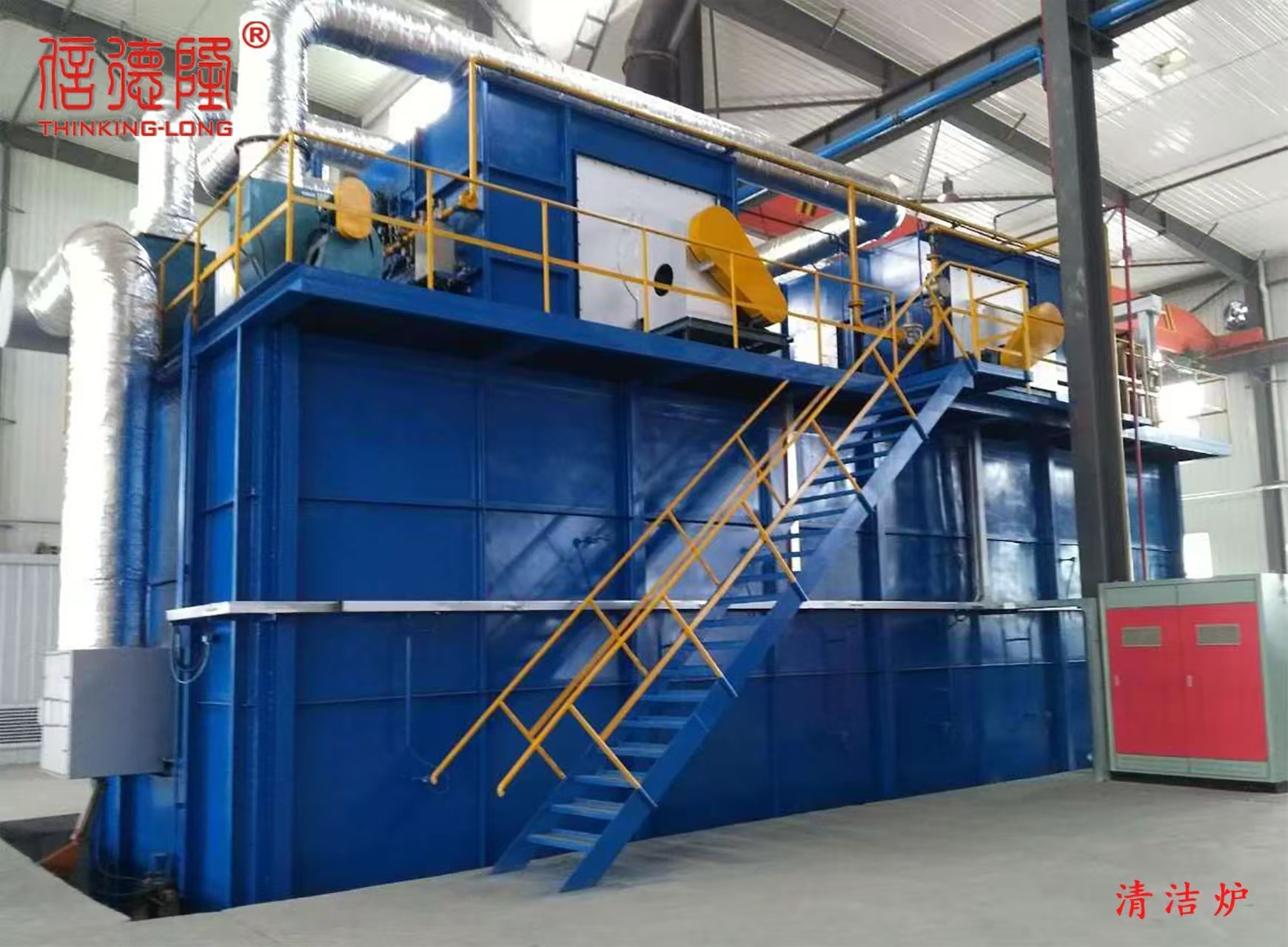
The material inside a furnace is never passive. It dictates how heat moves, how slag interacts, and how long the vessel survives between rebuilds. A cheap alumina-silicate lining might last a few weeks in a moderate application, but the same wall exposed to aggressive iron oxide slag will dissolve at the hot face faster than operators expect. That premature wear forces more frequent cool-downs, each one introducing thermal shock cracks that spread through the entire thickness.
Beyond chemistry, physical density and grain sizing decide whether the lining acts as an insulator or a conductor. A dense, low-porosity magnesia-carbon brick pulls heat away from the melt if the backup layer is not matched, raising energy costs. In contrast, a lightweight insulating castable behind a thin dense hot face can cut shell temperatures by hundreds of degrees. The right pairing keeps the heat in the bath where it belongs.
The real difference shows up during unexpected production spikes. A lining chosen only for rated temperature will fail when slag composition changes or operators push hold times longer. Materials with a small amount of added silicon carbide or zirconia create a self-protective glaze that resists both abrasion and chemical attack. That margin is what separates a furnace that runs three years without a reline from one that needs patching every quarter.
Reach the Unreachable: Tools That Beat a Wire Brush
A wire brush can chew through surface rust, but it's hopeless once you need to work inside a narrow bracket or behind a welded seam. That's where a miniature knot cup brush on a flexible shaft extension changes the game—it bends around obstacles and gets into the same spaces a standard brush can only scratch at.
For curved channels and recessed bolt holes, switch to an abrasive-impregnated nylon brush. The bristles wear down evenly, follow the metal's shape, and don't spit wires into your work gloves. Mount one on a straight die grinder and you can clean oxidation out of a suspension pocket without removing the control arm.
When the area is too fragile for any bristle-type tool, a small surface conditioning disc on a mandrel takes over. It strips light corrosion from inside radii, around spot welds, and under flanges while leaving a finish that's ready for weld-through primer or paint.
The Residue Trap in High-Heat Zones No One Talks About
Most people scrub the obvious surfaces—the grill grates, the oven floor, the air fryer basket. But the real trouble hides closer to the heat source. Around the upper heating element, along the back wall, and in the narrow gaps where the temperature spikes, grease particles and tiny food bits settle and get baked in place. Over a few weeks, these spots develop a dull, brownish glaze that looks like seasoned cast iron but behaves more like glue.
That glaze isn't just cosmetic. Every time the appliance runs at high heat, the trapped residue breaks down further, releasing acrid smoke that clings to your food. The layer also insulates the metal, forcing the unit to work harder and heat unevenly. Worse, the residue becomes progressively harder to remove—ordinary degreasers barely touch it once it has carbonized into a brittle, glassy film.
Instead of waiting until the smell fills the kitchen, tackle these zones while the residue is still fresh. A paste of baking soda and water left on the warm surface for ten minutes softens the early buildup without harsh fumes. For tighter areas, a stiff nylon brush or a wooden skewer can scrape the softened film from seams. Do this every few uses, and you'll avoid the hour-long chisel session that everyone dreads.
Clean by the Clock or by the Cycle? A Smarter Schedule
The debate between cleaning on a fixed clock or after each use cycle often misses what actually drives grime. A calendar-based schedule can waste effort on barely used spaces, while a cycle-based approach may let high-traffic areas slip into neglect. The smarter route is to let real conditions, not assumptions, set the pace.
Start by mapping how your space is actually used. A guest bathroom might need only a weekly wipe-down, but the kitchen counters after a Sunday meal prep demand immediate attention. Adding simple indicators—a sticky note on the vacuum, a visual check of stovetop splatter—turns cleaning from a rote chore into a responsive habit. You stop cleaning because the calendar says so and start cleaning because the room tells you it's time.
This doesn't mean abandoning routine altogether. Keep a loose anchor, like changing sheets every seven to ten days, but leave room for judgment. If you hosted a dinner party, the living room rug may need a quicker pass. The result is less wasted effort, fewer overlooked messes, and a home that feels cared for without a rigid command.
Turn Cleaning Findings Into a Shutdown Prevention Plan
After a cleaning cycle, the collected residue, wear particles, or clogged filters aren't just mess—they're early warnings. Too often these observations get logged and forgotten. A shutdown prevention plan starts by turning each cleaning finding into a specific corrective action with a deadline and a person responsible. If a filter repeatedly comes out caked in fine metal, that points to abnormal wear upstream, not just a dirty filter. Replace the filter but also inspect the pump or bearing that's shedding material. This shifts the team from reacting to breakdowns to catching them before they happen.
The next step is to track these findings in a simple register that's reviewed weekly, not buried in a CMMS nobody opens. Rank each item by how quickly it could force a line down. A small oil leak near a hot surface might seem minor until it becomes a fire risk. Give high-risk items a 48-hour containment action, and schedule the permanent fix in the next planned downtime. Over time, patterns emerge—recurring debris in one area, frequent filter changes on a particular machine—and those patterns should trigger a deeper investigation or a design change. That's how cleaning stops being a chore and becomes a low-cost early warning system.
FAQ
The interval depends on fuel type, operating temperature, and workload, but a full cleaning every three to six months is common. Facilities running continuous high-temperature cycles may need monthly attention to prevent soot and scale buildup from reducing heat transfer.
Watch for unexplained increases in fuel consumption, longer heat-up times, uneven temperature distribution, or visible soot around the exhaust and burner area. Any of these suggests deposits are interfering with airflow or heat exchange and should be addressed promptly.
Gentler approaches work best: vacuuming loose debris, brushing with non-metallic bristles, and using low-pressure air or nitrogen. Avoid aggressive scraping or water quenching on hot refractory, as thermal shock can cause cracking and shorten lining life.
Not always. Some light maintenance, like clearing burner ports or inspecting flame sensors, can be done during brief outages with the furnace warm but isolated and locked out. For deep cleaning of internal surfaces and flue passages, a full cool-down is safer and more effective.
Chemical cleaning is useful for dissolving stubborn scale or carbon deposits that mechanical methods can't reach. It's typically applied as a soak or circulated solution after the furnace has cooled, followed by thorough rinsing and drying to prevent corrosion or residue.
Control combustion air quality, keep fuel filters clean, and inspect burner settings regularly. Sealing air leaks around doors and flanges also reduces the influx of dust and moisture that accelerates deposit formation.
Lockout and tagout all energy sources, test the atmosphere for flammable gases or low oxygen, and wear appropriate PPE including heat-resistant gloves and respiratory protection. Never enter a confined furnace space without a standby person and proper ventilation.
Conclusion
Effective furnace cleaning starts long before any physical scrubbing. A complete shutdown and lockout procedure, followed by atmosphere testing, protects workers from residual heat, toxic gases, and combustion risks. Once it is safe to enter, the choice of cleaning method must respect the furnace lining material. Some refractories tolerate aggressive scraping, while others crack or spall under mechanical stress, so matching tools to lining type prevents damage that shortens service life. Standard wire brushes rarely reach deep into tube bends, baffle spaces, or convection section crevices. Specialized tools such as pneumatic lances, rotary brushes with flexible shafts, and high-powered industrial vacuums remove deposits that manual methods leave behind. Pay particular attention to high-heat zones near burners and flue gas exits, where hard, glassy residues accumulate unnoticed. These deposits reduce heat transfer and create hot spots that accelerate lining wear. A thorough inspection of these areas reveals problems that routine cleaning often overlooks, turning a simple maintenance task into a reliability improvement.
Scheduling matters as much as technique. Cleaning purely by calendar dates ignores actual operating conditions, while cleaning only after failure invites emergency downtime. A smarter approach tracks runtime hours, fuel quality, and number of thermal cycles to trigger cleaning when deposits actually begin to affect performance. During each cleaning, record what you find: residue type, thickness, location, and any signs of lining degradation. These findings feed into a shutdown prevention plan. For example, repeated heavy slag in one burner zone may indicate poor atomization or air-fuel imbalance, which can be corrected before the next cycle. By treating cleaning as a diagnostic opportunity rather than a chore, industry professionals extend furnace life, reduce unplanned outages, and keep energy efficiency high. The best practices are not isolated steps but a connected system: safe entry, material-aware cleaning, targeted tool use, residue mapping, cycle-based scheduling, and data-driven follow-up.
Contact Us
Contact Person: Qian Xijun
Email: [email protected]
Tel/WhatsApp: 8613961736750
Website: https://www.thinkinglong.com/