

Best Road Shot Blasting Machine Factory: Key Considerations Before You Buy
2026-06-04
Choosing the right road shot blasting machine factory is critical to your project’s success. With so many options available, it’s easy to overlook vital factors like build quality, after-sales support, and customization capabilities. That’s why PuHua stands out—they combine decades of expertise with rigorous quality control to deliver machines that perform reliably in the toughest conditions. In this article, we’ll walk you through the key considerations before making a purchase, helping you avoid costly mistakes and find a partner you can trust.
Assessing the Real-World Build Quality of Road Shot Blasting Machines
When you look past the polished sales sheets, a road shot blasting machine’s true character emerges in the welds and the weight of the steel. Cheaper units often hide sloppy seam work under thick paint, which flakes off after a few hundred hours of abrasive punishment. On a well-built machine, the joints are continuous and ground smooth, and the frame resists twisting even when you’re bouncing over uneven pavement. The thickness of the blast housing walls tells you a lot too—thin metal warps from the constant ricochet of shot, opening gaps that kill vacuum efficiency and spill dust everywhere.
Component choice is another dead giveaway once you’ve spent some time in the field. The bearings supporting the blast wheel need to handle side loads that cheaper sealed units simply weren’t designed for; open, re-greasable bearings with heavy-duty housings are a sign the manufacturer actually expects the machine to last. Hoses and clamps are the same story—silicone-lined blast hoses with bolted, not just banded, connections don’t blow off during a hot shutdown. Even the little things, like the routing of hydraulic lines away from pinch points and heat sources, show whether someone who’s ever run a machine influenced the design.
Real-world testing reveals the difference between a spec-sheet hero and a workhorse. A machine that looks identical on paper can vibrate itself to death if the blast wheel wasn’t dynamically balanced at operating speed, not just on a low-speed bench. The shape of the rebound plenum matters too—poor airflow design causes shot to pack up in the corners, forcing you to stop and clear it constantly. Nobody brags about how the control valves behave when they’re caked in dust, but out there, that’s exactly what separates a machine you can trust from one that makes every job a gamble.
Why After-Sales Support Can Make or Break Your Investment
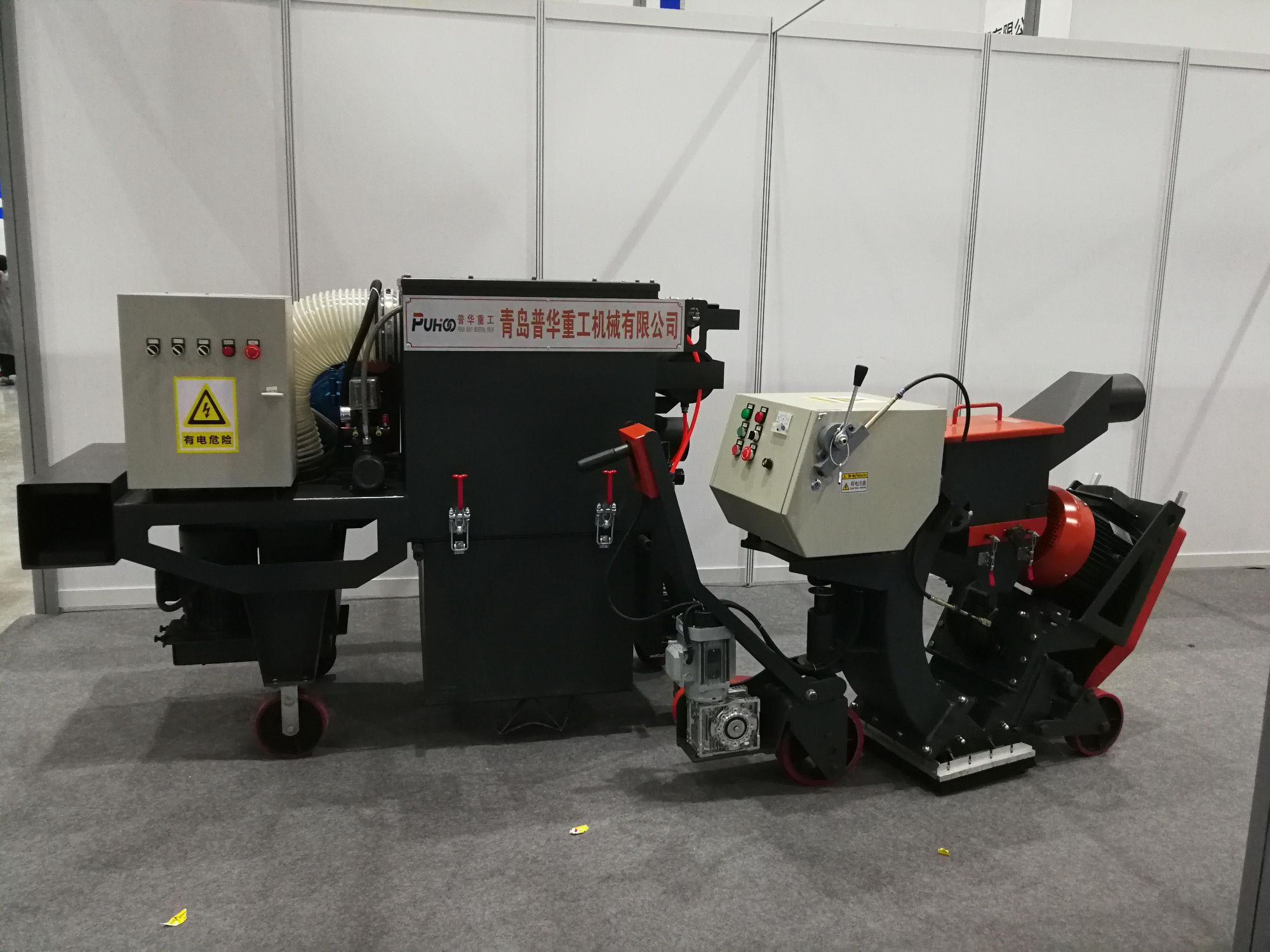
A sleek product and a convincing sales pitch might seal the deal, but what happens after the ink dries is where the true value of your investment is tested. After-sales support isn't a bonus feature—it's the safety net that catches you when reality doesn't match the brochure. Without it, even the most impressive machinery or software becomes a liability the moment something goes wrong.
Think about the hidden costs that creep in when support is slow or unhelpful. Every hour of downtime chips away at your initial savings, and the frustration of navigating automated menus instead of speaking to a knowledgeable human can sour the entire experience. A vendor that disappears after the sale leaves you holding the risk, turning what looked like a smart purchase into a drain on time and resources.
On the flip side, a team that stands behind their work transforms a transaction into a partnership. Quick, competent help when problems arise keeps your operations moving and protects your bottom line. It's the difference between feeling stranded and knowing that someone has your back, ensuring that your investment continues to deliver long after the warranty period begins to fade from memory.
Matching Machine Specifications to Your Project Demands
Selecting the right machinery isn't just about horsepower or brand reputation—it's about how well the equipment aligns with the specific materials, output goals, and operational constraints of your project. A common misstep is defaulting to the highest-spec machine available, only to find that its capabilities far exceed what's actually needed, leading to unnecessary capital expenditure and higher running costs. Instead, start by mapping out your production volume, cycle time expectations, and tolerance requirements. For instance, a machine rated for continuous 10,000-unit daily output will behave very differently in a low-volume, high-mix environment where changeovers happen constantly.
Material characteristics also play an outsized role in the specification puzzle. Running abrasive composites? You'll need hardened tooling interfaces and sealed linear guides that standard configurations won't provide. Working with temperature-sensitive polymers? Look beyond the basic temperature controllers and evaluate the machine's thermal stability across the entire working envelope. Field experience shows that overlooking these material-machine interactions causes more downtime than actual component failures. Ask your potential suppliers for application-specific case studies, not generic brochures, and don't hesitate to request a trial run using your actual feedstock—simulated demos with ideal materials rarely reveal real-world snags.
Beyond the core specs, consider how the machine will integrate into your existing workflow. Does its control system communicate fluently with your plant's monitoring network, or are you signing up for expensive middleware? What does the learning curve look like for your operators? A machine with excellent specs but a steep operational learning curve can quietly kill productivity. By weighing these practical, often overlooked factors alongside the technical data sheets, you'll land on a solution that doesn't just meet the demands on paper but also performs where it counts—on your factory floor, day after day.
Understanding the True Cost of Ownership Beyond the Price Tag
Most purchase decisions hinge on that initial figure, but what follows can quietly reshape the investment. From the moment an asset is acquired, a stream of less obvious expenses—maintenance, energy consumption, consumables, and even compliance fees—begins to accumulate. These ongoing obligations rarely make the headline price, yet they frequently outpace it over the asset’s lifespan, eroding the perceived bargain.
Beyond direct operational costs, the hidden impact of downtime and efficiency losses can be severe. A cheaper option that fails frequently or demands complex, time-consuming upkeep doesn’t just drain budgets—it disrupts workflows, stalls projects, and forces teams into perpetual reactive mode. The real metric isn’t the sticker shock, but how steadily a solution performs without demanding constant attention.
Then there’s the subtler drain of obsolescence and adaptability. A product that can’t evolve with your needs or integrate with existing systems quickly becomes a sunk cost, requiring expensive retrofits or premature replacement. Factoring in training, migration, and even disposal costs reveals a more honest ledger, one where the purchase price is merely the entry ticket to a long-term financial relationship.
How a Factory’s Engineering Expertise Directly Impacts Performance
Engineering know-how isn't just about fixing machines when they break—it's the quiet engine that keeps a factory running smoothly. When the team on the ground really understands the quirks of every production line, they can spot a bottleneck before it turns into a crisis. That kind of foresight means fewer unplanned stoppages and a steady rhythm that shows up in the numbers.
This expertise also shapes how raw materials flow through the plant. A sharp engineering group tweaks settings, rethinks workflows, and sometimes redesigns parts to squeeze every ounce of efficiency out of the equipment. The result isn't just higher output; it's a more predictable operation where quality doesn't swing wildly from shift to shift.
Over time, factories that invest in deep technical skill build a kind of muscle memory. They adapt faster when demand shifts or materials change, because their people don't need to start from scratch each time. That agility directly feeds the bottom line, turning a so-so quarter into a strong one through sheer competence rather than luck.
Evaluating Customization Options: One Size Rarely Fits All
Picking a software solution that promises to meet every possible need is tempting, but the truth is that every organization runs differently. A packaged system might check 80% of your boxes, yet it’s the remaining 20% that often holds the key to your operational edge. Digging into customization options early means getting honest about which workflows are truly unique, rather than assuming a generic setup will bend to your habits. It’s not about being difficult; it’s about knowing that your team’s quirks deserve more than a cookie-cutter answer.
Start by mapping out where a template stops adding value and where tailored touches begin to matter. Think about the reports that your leadership actually reads, the approval chains that reduce bottlenecks, or the integrations that make data flow without human juggling. In many cases, light configuration through menus and settings gets the job done, but sometimes you’ll need deeper changes that touch the codebase. The trick is separating “nice to have” from “can’t function without,” because every extra customization carries a maintenance price tag down the road. Run a few real-world scenarios with your team—does the out-of-the-box version handle a busy Tuesday, or does it send someone diving into workarounds by noon?
The most practical approach weighs flexibility against simplicity. Not every corner of the software needs to be molded perfectly; focus on the features that directly affect your daily output or customer experience. Sometimes a vendor offers a marketplace of pre-built extensions that sidestep heavy development, while other times you’ll need to build a bridge between old systems and new. The goal is a setup that feels like it was designed with your company in mind, not a patchwork that someone has to nurse every weekend. If the customization discussions start to circle endlessly, pull back and ask: will this change still make sense when the team grows or when you push the next major update? That perspective usually clarifies what’s worth the effort.
FAQ
Focus on the factory's years of experience in manufacturing road-specific equipment, the quality certifications they hold (like ISO), and their track record of delivering robust machines that handle different surface conditions. Also check if they offer customization based on your job site needs.
Request a reference list of completed projects and contact previous clients directly. Ask about machine durability, service support, and parts availability. A trustworthy factory will often arrange a live demonstration or provide detailed video proof of their machines in operation.
Absolutely. Reliable after-sales support, including technical assistance, spare parts supply, and training, can significantly reduce downtime. Ensure the factory has a responsive service team and clear warranty terms before finalizing.
Customization matters greatly if your projects have unique specifications like varying shot sizes, blasting width, or dust collection needs. A factory that listens to your needs and adapts their machines accordingly often delivers better long-term value.
Very important. Even the best machines need periodic part replacements. A factory that maintains a stocked inventory and quick shipping options prevents costly delays. Ask about common wear parts and their average delivery times.
If feasible, an in-person visit gives you firsthand insight into their manufacturing standards, quality control processes, and team professionalism. Alternatively, a virtual tour can also provide a good level of transparency.
Look for ISO 9001 certification for quality management, CE marking for safety compliance if buying for European markets, and any industry-specific certifications that demonstrate adherence to strict manufacturing guidelines.
Avoid solely basing your decision on price. Cheaper units may cost more in repairs and lost productivity. Instead, compare total cost of ownership, including energy consumption, maintenance frequency, and expected machine lifespan. Get quotes with detailed breakdowns.
Conclusion
When you start evaluating a road shot blasting machine factory, the first thing that separates the contenders from the pretenders is real-world build quality. It’s not about how the machine looks in a catalog—it’s how the frame holds up after months of pounding pavement, whether the seals keep dust out of bearings, and if the blast pattern stays true without constant adjustment. A solid machine usually reflects a factory that sweats the details, from material thickness to weld integrity. Pair that with a clear-eyed match between the machine’s specs and your actual job requirements. Too often, buyers get dazzled by horsepower numbers or wide blast paths that don’t suit their typical surface preparation work. The right factory will guide you toward a configuration that balances speed, aggression, and maneuverability for your specific aggregates and coatings. Dig deeper into their engineering pedigree—factories with veteran design teams tend to innovate in dust control, abrasive recovery, and vibration dampening, which directly translates into more consistent surface profiles and less operator fatigue.
Beyond the machine itself, your real cost of ownership will hinge on factors that have nothing to do with the sticker price. After-sales support is the quiet backbone of a wise investment. A factory that answers calls promptly, stocks wear parts locally, and offers troubleshooting guidance can save you days of downtime when a deadline is looming. Factor in part wear rates, energy draw, and the cost of routine maintenance to get a truer picture of long-term expense. Customization also plays a bigger role than most first-time buyers realize. A one-size-fits-all machine often forces compromises—maybe the blast pattern overlaps awkwardly on stripes, or the dust collector struggles with your local humidity. A factory that is willing to tweak wheel positions, shroud designs, or even control software around your operating conditions gives you a machine that slots into your workflow like it was built for it. That level of tailored engineering, combined with responsive post-purchase care, is what turns a heavy piece of equipment into a dependable profit center.
Contact Us
Contact Person: Bruce
Email: [email protected]
Tel/WhatsApp: +86 15166629468
Website: https://www.povalchina.com/