

Best Electric Forklift Options to Power Your Warehouse Operations
2026-06-27
Switching to electric forklifts is a game-changer for modern warehouses, cutting emissions and boosting efficiency. But with so many options on the market, finding the right fit can feel overwhelming. That’s where HANGCHA steps in—offering reliable, high-performance electric forklifts designed to tackle the toughest warehouse demands. In this guide, we’ll walk you through the best models to power your operations and help you make a smart, future-ready investment.
Key factors to weigh when choosing your electric forklift
Switching to electric forklifts brings a fresh set of considerations that go beyond just picking a model off the shelf. The first thing you’ll want to lock down is the battery configuration—lithium-ion packs charge faster and require less upkeep than traditional lead-acid, but they may not fit every budget or shift pattern. Equally important is matching the lift capacity and mast height to your typical loads and warehouse layout; pushing a truck beyond its limits leads to downtime and safety risks that quickly eat into any upfront savings.
Don’t overlook the finer points of maneuverability, especially if your operation snakes through tight aisles or cramped loading docks. Look at the turning radius and tire type—cushion tires work well indoors on smooth floors, while pneumatic ones handle uneven outdoor surfaces better. Also weigh the availability of local service support: a model with a stellar warranty means little if you’re stuck waiting days for a technician. Real-world feedback from other users in your industry often reveals quirks that spec sheets gloss over.
Lithium-ion vs. lead-acid: Which battery fits your workflow?
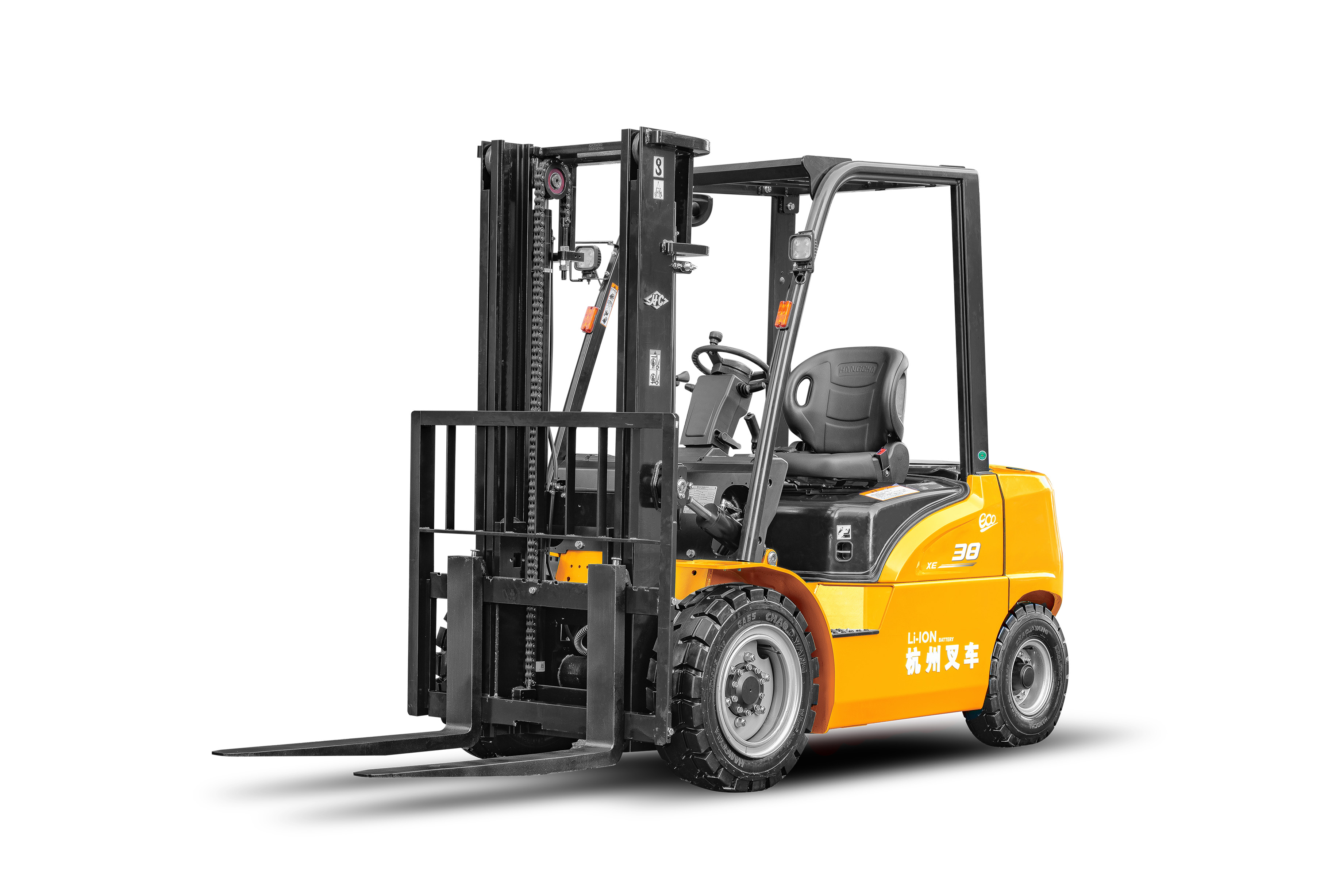
If your operation runs on short, intense bursts—think forklifts zipping through a warehouse or floor scrubbers doing quick passes—lithium-ion typically pulls ahead. It charges faster and doesn't mind being topped off during breaks, so you skip the whole battery swap dance. Lead-acid, on the other hand, still makes sense when upfront cost is the main concern and you have a steady, predictable routine where eight-hour cool-downs between shifts are baked into the schedule.
The total cost picture often surprises people. Yes, a lithium pack stings more at purchase, but its lifespan usually doubles or triples a lead-acid battery's, and you won't be watering cells or scrubbing corrosion off terminals every week. If your crew already juggles too many maintenance tasks and you'd rather pay for uptime than upkeep, lithium's hands-off nature starts looking less like a luxury and more like a productivity tool.
One last thing that's easy to overlook is how the battery behaves near the end of a shift. Lead-acid tends to fade gradually, so your equipment gets sluggish. Lithium holds voltage steadier until it's almost drained, meaning the last pallet moves at the same speed as the first. For just-in-time workflows where consistency matters as much as runtime, that alone can tip the scales.
Compact three-wheel models for tight warehouse aisles
Maneuvering through narrow warehouse aisles demands a machine that blends agility with stability. Three-wheel forklifts step up to this challenge by offering a tight turning radius that makes sharp corners and confined spaces feel almost effortless. Unlike their four-wheel counterparts, these models pivot on a single rear wheel, allowing operators to navigate around racking and obstacles without constant back-and-forth adjustments. This design not only saves time but also reduces the strain on drivers during long shifts.
What sets compact three-wheelers apart is their uncanny ability to squeeze into spaces that would strand bulkier equipment. With a slim chassis and precise electric steering, they glide through aisles as narrow as 10 feet while still handling standard pallet loads. The counterbalance design eliminates the need for outriggers, giving you full access to rack faces without the machine getting hung up on floor-level obstructions. It’s a practical solution for high-density storage environments where every inch counts.
Beyond raw maneuverability, these trucks often come equipped with features that enhance both safety and efficiency on the warehouse floor. Regenerative braking helps maintain control during frequent stops, while upright visibility ensures operators can see exactly where the forks are going without leaning or straining. For facilities looking to maximize throughput without expanding their footprint, a three-wheel electric forklift often becomes the unsung hero of daily operations.
Heavy-lifting solutions without the emissions
Moving heavy loads has always meant diesel engines and thick exhaust, but that's changing fast. Across ports and construction sites, equipment that once belched smoke is being replaced with cleaner alternatives that match the muscle without the mess.
Electric drive systems now power container handlers and excavators, running quietly off batteries that charge during idle periods. Hydrogen fuel cells are stepping in where cordless power can't keep pace, offering long runtimes for heavy-duty cranes and haulers. Even old machines are getting retrofitted with hybrid kits that slash emissions overnight.
The result is more than just cleaner air. Crews work in quieter, healthier environments while companies dodge tightening carbon regulations. As battery density climbs and green hydrogen scales up, the days of sacrificing sustainability for strength are numbered.
How advanced ergonomics can reduce operator fatigue
Modern workplaces are rethinking the way equipment and workstations are designed, moving beyond simple adjustments to focus on how the human body naturally moves and reacts under sustained workloads. Instead of forcing operators to adapt to rigid machinery, advanced ergonomics studies patterns of fatigue—pinpointing when and where strain accumulates during repetitive tasks. By integrating supports that subtly shift with the body’s posture, tools that dampen vibration, and controls positioned within a relaxed reach envelope, these designs keep muscles engaged but not overworked. The result is a noticeable drop in tension carried through shoulders and forearms, allowing operators to maintain steady focus without the creeping exhaustion that usually sets in after hours of precise work.
At the heart of reducing fatigue is the concept of dynamic load sharing. Rather than letting a few muscle groups bear the brunt of a task, advanced ergonomic systems distribute effort across a wider set of muscle chains—often through chairs that encourage micro-movements, floor mats that promote weight shifting, or handle grips that adapt to palm pressure. This continuous, low-level activity prevents blood from pooling in statically contracted muscles, staving off the burn and soreness tied to prolonged standing or gripping. Operators report feeling a sort of “active rest” during their shifts; their bodies remain in motion without conscious effort, which helps maintain alertness and cuts down on the end-of-day crashes that used to be routine.
Sensor-embedded wearables and smart workstations are now taking this a step further by providing real-time feedback tailored to each individual. A slight haptic nudge might signal that a wrist angle is drifting into a risky zone, or a display could suggest a brief posture reset before discomfort even registers. This kind of early-warning system interrupts the fatigue cycle before it takes hold, effectively reshaping habits without distracting from the task. When operators aren’t battling cumulative strain, they can pour more attention into quality and safety, and they leave work feeling less depleted. It’s a shift from treating fatigue as an inevitable cost of labor to designing it out entirely, meeting the body’s needs moment by moment.
Integrating electric forklifts into automated systems
Electric forklifts are no longer just standalone machines; they're rapidly becoming integral nodes in fully automated warehouses. When weaved into a network of conveyors, robotic pickers, and inventory management software, these vehicles can respond to real-time demands without human intervention. The shift isn't simply about swapping out an engine—it's about making the forklift a communicative, data-generating asset that reports its position, battery status, and task logs directly to a central control system.
Bringing electric units into automated environments does pose unique hurdles. Their power management requires careful coordination—charging cycles must align with operational peaks to avoid downtime, and their quieter operation means additional safety sensors are often needed to alert nearby workers. Yet, the payoff in tighter inventory accuracy and reduced product damage is tangible. Companies that get the integration right often find that the data these forklifts feed back helps refine the entire flow of goods, from receiving to shipping.
FAQ
Think about your typical load weight, lifting height requirements, and how many hours per day the truck will be in use. Aisle width and turning radius matter too—3-wheel models often shine in tight spaces, while 4-wheel versions offer more stability for heavier lifting.
For most operations, yes. Lithium-ion batteries charge faster, last longer, and need zero maintenance like watering. You also skip the hassle of swapping batteries mid-shift. Over a couple years, the efficiency gains and reduced downtime usually outweigh the initial price difference.
Toyota, Yale, and Crown are often praised for durability and strong parts availability. For specialized narrow-aisle work, Raymond and Jungheinrich have solid reputations. It’s wise to check local service support—having a dealer close by can save major headaches.
The main trade-off is maneuverability versus lifting power. A 3-wheel design turns on a dime, perfect for confined spaces and lower-capacity lifts. A 4-wheel truck gives you a wider stance, so it handles heavier loads and uneven surfaces better, though you lose a bit of that indoor agility.
Look at the battery’s amp-hour rating and compare it to your truck’s power consumption rate. Most manufacturers provide energy usage estimates. If you’re running multiple shifts or moving heavy loads constantly, a quick-charging lithium-ion setup or a carefully planned charging schedule is a must to avoid mid-day downtime.
Absolutely, but not all models are built for it. You need specially designed cold-condensing electrics with rust-resistant components, low-temperature-rated hydraulic oil, and battery options that won’t drain fast in the cold. Some manufacturers offer dedicated freezer packages that keep performance steady even below -20°F.
Regularly check and top off hydraulic fluid, keep the mast chains lubricated, and inspect the tires for wear. For lead-acid batteries, watering and terminal cleaning are non-negotiable. Even with lithium-ion, you’ll want to monitor cable connections and keep the battery management system updated. And never ignore strange noises—small issues in electric drive motors can snowball fast.
It’s surprisingly helpful. Whenever you slow down or change direction, the motor acts like a generator, feeding energy back into the battery. In stop-and-go warehouse work, this can extend runtime by 5–10% over a shift. It also reduces brake wear, so you save on replacement parts in the long run.
Conclusion
Shifting to electric forklifts isn’t just a sustainability checkbox—it’s a strategic move that reshapes daily operations, from narrow aisle navigation to heavy-duty lifting. The real decision starts with understanding your facility’s rhythm: compact three-wheel models thrive in tight warehouse aisles where maneuverability trumps brute force, while high-capacity electrics now rival internal combustion counterparts for lifting power without the exhaust fumes. Battery choice sits at the core of this transition. Lithium-ion batteries are gaining ground over traditional lead-acid for their fast opportunity charging and zero maintenance, but workflows with predictable shifts still benefit from the lower upfront cost of lead-acid. Beyond power and size, modern electric forklifts are redesigned with advanced ergonomics—think adjustable armrests, intuitive controls, and vibration dampening—to cut operator fatigue and boost productivity across long shifts.
Yet, the full potential of electric forklifts unfolds when they’re integrated into automated systems. Fleet management software and sensor-based navigation allow these trucks to sync with warehouse management platforms, optimizing travel paths and reducing idle time. This isn’t about replacing the operator; it’s about giving them tools that anticipate loads and streamline routines, making the transition feel less like a tech overhaul and more like a natural upgrade. Pair that with the right battery setup and a model tailored to your space constraints, and you’re not just powering operations—you’re building a cohesive, responsive material handling environment that handles everything from delicate pallets to multi-ton coils, all with the quiet precision that only electrics can deliver.
Contact Us
Contact Person: Liuxue
Email: [email protected]
Tel/WhatsApp: +86-19084200370
Website: https://www.hf-ec.com/